7 Common Rock Climbing Injuries and How to Prevent Them
Rock climbing is experiencing a surge in popularity, but with more people scaling walls, rock climbing injuries are becoming increasingly common. From finger pulley tears and rotator cuff strains to knee and ankle sprains, climbers of all skill levels face risks. This article highlights seven of the most frequent rock climbing injuries seen and explains how Mountain Health and Performance helps climbers recover and stay injury free. Discover expert prevention tips, learn about key risk factors, and explore proven rehabilitation strategies to keep you climbing strong and safely.
Understanding Rock Climbing Injuries: Causes and Risk Factors
Rock climbing injuries have become increasingly common as more people take up climbing both indoors and outdoors. With the sport’s dynamic movements and repetitive demands, climbers are exposed to unique physical stresses that can lead to a variety of injuries.
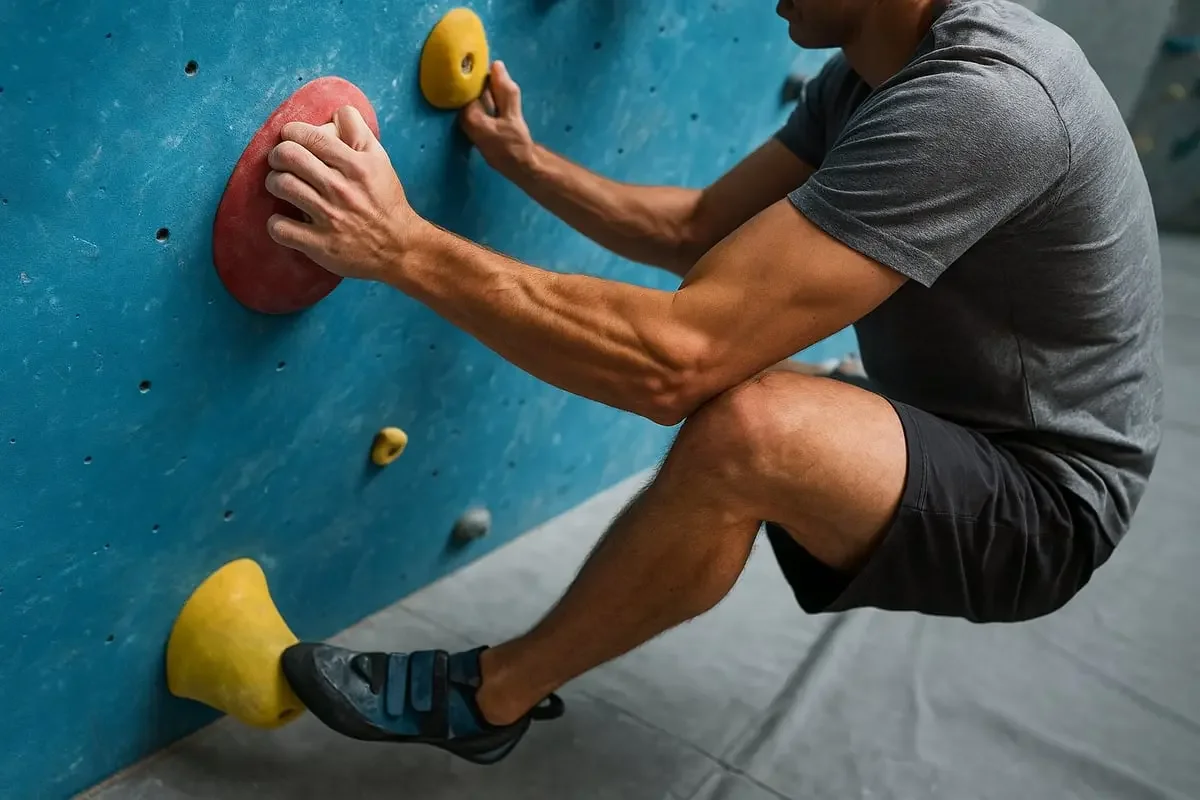
Why Are Rock Climbers Prone to Injuries?
Rock climbing injuries often result from a mix of overuse, acute trauma, and falls. Overuse injuries build up gradually, as muscles, tendons, and ligaments face repeated strain. Acute trauma can occur suddenly from falls, awkward landings, or unexpected movements.
Risk factors for these injuries include age, climbing experience, improper training progression, flawed technique, and misuse of equipment. Young and novice climbers may push too hard, while experienced climbers sometimes ignore subtle warning signs.
7 Most Common Rock Climbing Injuries
Here are seven of the most frequently seen injuries among climbers:
Injury / Common Cause / Area Affected
Pulley (Finger Tendon) Tear / Crimping, over-gripping / Fingers
Rotator Cuff Strain / Dynamic reaches, lock-offs / Shoulder
Medial Epicondylitis / Repetitive gripping / Elbow
Collateral Ligament Sprain / Twisting, awkward grips / Fingers
Shoulder Impingement / Overhead moves, imbalances / Shoulder
Wrist Tendinitis / Overtraining, poor technique / Wrist
Ankle Sprain/Fracture / Falls, missed footholds / Ankle
Each of these rock climbing injuries presents distinct symptoms and risks. Pulley injuries are most common in fingers, especially with intensive bouldering. Rotator cuff strains and impingements often affect the shoulders due to dynamic movement and poor posture. Medial epicondylitis, or climber’s elbow, is triggered by repetitive forearm use. Collateral ligament sprains happen with awkward finger positions. Wrist tendinitis emerges from overtraining and improper grip. Finally, ankle sprains and fractures are typical after falls.
Mechanisms and Risk Factors
The mechanisms behind rock climbing injuries vary. Overuse injuries develop with chronic repetitive strain, while acute injuries happen from sudden trauma. Bouldering, sport, and trad climbing each carry unique injury profiles—bouldering sees more falls and finger injuries, while sport and trad often result in overuse of shoulders and elbows.
Structured warm-up and cool-down routines can reduce the risk of rock climbing injuries by preparing tissues for stress and supporting recovery. Early recognition of pain, swelling, or reduced performance is vital for preventing minor injuries from turning into major setbacks.
How Mountain Health and Performance Helps Climbers
Mountain Health and Performance specializes in treating rock climbing injuries. Their team offers chiropractic care, massage therapy, shockwave therapy, and tailored rehabilitation plans. They use comprehensive assessments to identify the root cause of each injury and design evidence-based strategies for recovery.
For finger and tendon injuries, the clinic provides taping, manual therapy, and gradual loading programs. Shoulder and elbow injuries benefit from targeted strengthening and flexibility routines. Ankle and wrist issues are addressed with mobility work and progressive rehabilitation. The clinic’s approach emphasizes early intervention, individualized care, and ongoing education to help climbers return safely to their sport.
How Mountain Health and Performance Supports Rock Climbers
Mountain Health and Performance stands out as a trusted resource for climbers seeking expert care for rock climbing injuries. The clinic’s team of clinicians brings years of experience treating athletes, with a strong focus on evidence-based rehabilitation and injury prevention for climbers of all skill levels.
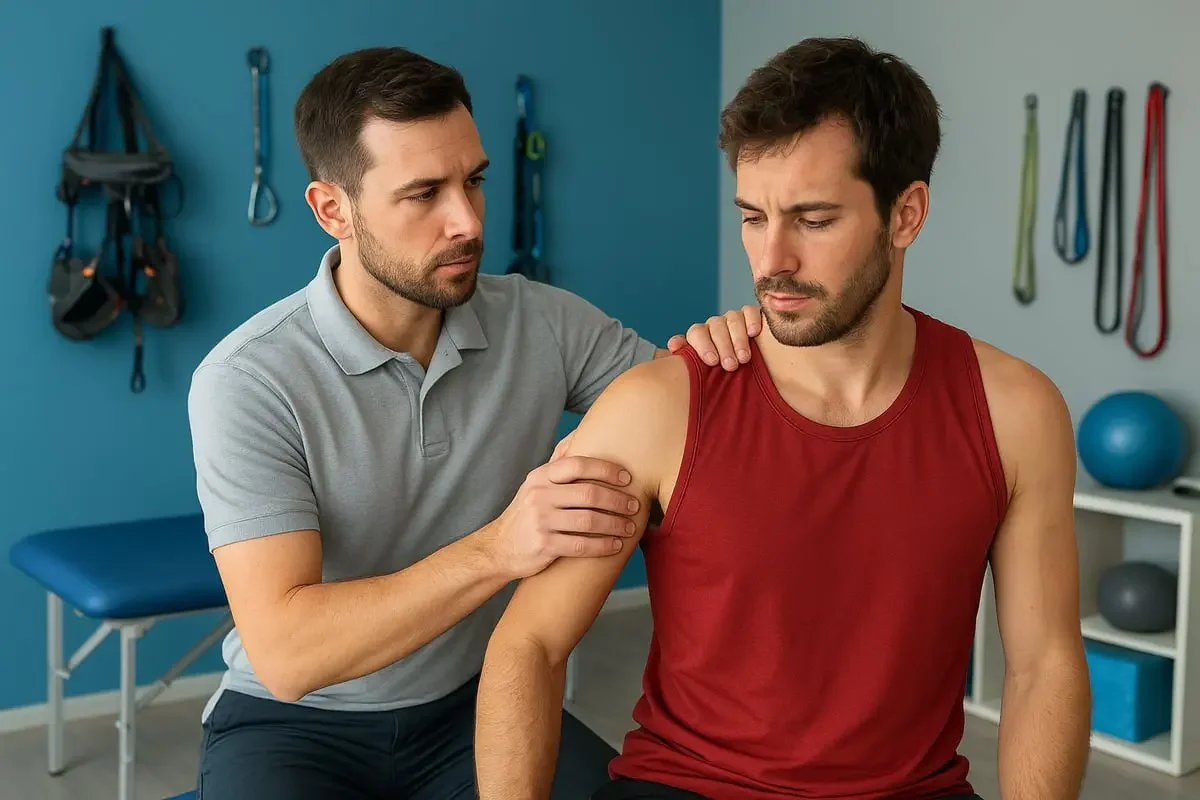
Seven Most Common Climbing Injuries Treated / Injury Type / How Mountain Health and Performance Treats It
Pulley injuries (finger tendons) / Taping, manual therapy, progressive rehab, education
Rotator cuff strains/tears / Targeted exercises, chiropractic adjustment, massage
Medial epicondylitis (elbow) / Shockwave therapy, soft tissue work, exercise prescription
Collateral ligament sprains / Immobilization, gradual mobilization, functional taping
Shoulder impingement syndrome / Postural correction, mobility work, ergonomic training
Wrist tendinitis / Manual therapy, stretching, strengthening, shockwave
Knee ligament strains/tears / Physical therapy, proprioceptive training, rehab programs
Each treatment plan for rock climbing injuries begins with a comprehensive assessment. Clinicians use a combination of manual therapy, chiropractic adjustments, and registered massage therapy to address pain and restore movement. Specialized services like shockwave therapy are available for stubborn tendon and soft tissue injuries.
Individualized rehab plans are at the heart of the clinic’s approach. These plans incorporate progressive exercises, education, and hands-on treatments to ensure safe, sustainable recovery. The facility is equipped with gym and rehab equipment, making it easy for climbers to transition from recovery to performance.
Mountain Health and Performance also offers direct billing, handles ICBC and WorkSafe BC claims, and is conveniently located in North Vancouver. Many climbers have shared positive experiences, highlighting improvements in function and a quicker return to climbing.
Ready to take the next step in managing or preventing rock climbing injuries? Booking is simple—visit the clinic online or stop by in person to get started. For more tips on recognizing and preventing overuse injuries, check out Preventing Overuse Injuries in Athletes.
8 Common Rock Climbing Injuries and How to Prevent Them
Rock climbing injuries are a concern for climbers of all skill levels. Understanding the most common types, their causes, and how to prevent them can help keep you on the wall and out of the clinic. Here, we highlight seven of the most frequent rock climbing injuries, along with expert prevention and treatment strategies used at Mountain Health and Performance.
1. Pulley Injuries (Finger Tendons)
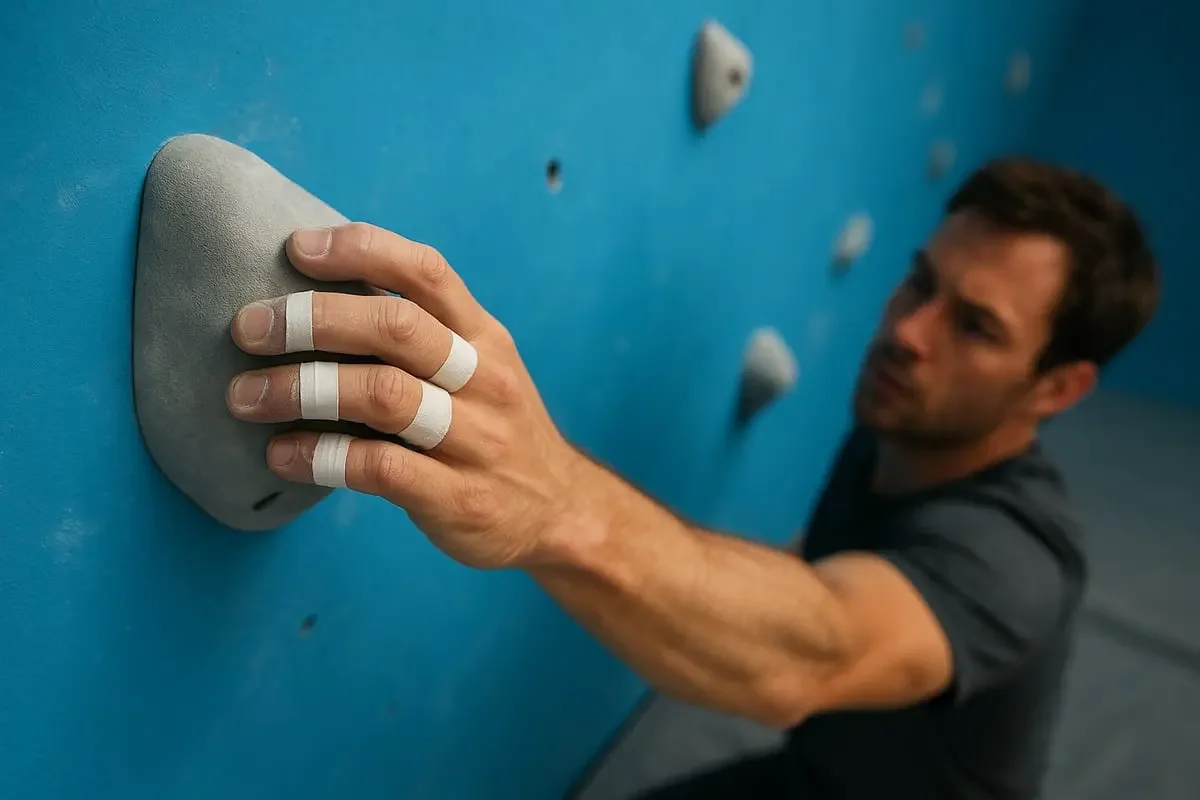
Pulley injuries are among the most prevalent rock climbing injuries, particularly affecting the finger tendons. The A2 pulley is most commonly injured, often due to over-gripping or using a crimp hold during dynamic moves. Climbers may feel a sudden pop, followed by pain and swelling along the finger.
Early symptoms include localized tenderness and difficulty flexing the finger. Ignoring minor symptoms can worsen the injury, making prevention essential. Warm up thoroughly, vary your grip, and progress training gradually to reduce risk. Taping techniques can offer support but are not a substitute for proper technique.
Mountain Health and Performance treats these injuries with comprehensive assessments, therapeutic taping, manual therapy, and tailored rehabilitation plans. Rest and a gradual return to climbing are critical. Pulley injuries account for up to 30% of hand-related rock climbing injuries, especially in bouldering competitions.
2. Rotator Cuff Strains and Tears
Shoulder pain is a frequent complaint among those suffering from rock climbing injuries. Rotator cuff strains and tears arise from overuse or acute trauma, often during dynamic reaches or lock-offs. Weakness, pain with overhead motion, and a reduced range of movement are typical symptoms.
Poor technique and muscle imbalances contribute to risk. Preventative strategies include targeted shoulder strengthening, flexibility work, and professional technique coaching. Early intervention and proper rest can limit downtime.
At Mountain Health and Performance, climbers receive evidence-based therapies, soft tissue work, and progressive loading exercises. Physical therapy is tailored to restore function and prevent future shoulder problems. Up to 20% of climbers report annual shoulder pain, making this one of the most significant rock climbing injuries.
3. Medial Epicondylitis (Climber’s Elbow)
Medial epicondylitis, or climber’s elbow, is a common overuse injury affecting the forearm flexors near the elbow. Repetitive gripping, insufficient rest, and poor training structure are typical causes. Symptoms include pain on the inside of the elbow, weakness, and stiffness that may worsen with activity.
To prevent this type of rock climbing injuries, climbers should balance their training, incorporate forearm stretches, and allow for adequate recovery. Eccentric strengthening and manual therapy are effective rehabilitation tools.
Mountain Health and Performance offers anti-inflammatory modalities, massage therapy, and customized exercise programs to address climber’s elbow. Both indoor and outdoor climbers are affected, with elbow injuries making up 10-15% of upper limb rock climbing injuries.
4. Collateral Ligament Sprains (Fingers)
Collateral ligament sprains are another frequent finger injury, often resulting from twisting falls, awkward grips, or sudden dynamic moves. Swelling, pain with lateral finger movement, and instability are common signs.
Proper grip technique and finger strength training can help prevent these rock climbing injuries. Taping may offer short-term stability, but a professional assessment is crucial for moderate or severe cases.
Mountain Health and Performance uses immobilization strategies, gradual mobilization, and individualized rehabilitation to restore function. Collateral ligament injuries are especially common in bouldering and lead climbing, ranking just behind pulley injuries for finger trauma.
5. Shoulder Impingement Syndrome
Shoulder impingement syndrome is a chronic condition caused by compression of the rotator cuff tendons or bursa. Overhead climbing, muscle imbalances, and poor posture increase risk. Symptoms include pain with overhead activity, weakness, and sometimes a clicking sensation.
Preventing these rock climbing injuries involves correcting posture, strengthening the rotator cuff and scapular muscles, and refining climbing technique. Manual therapy and ergonomic adjustments support recovery.
Mountain Health and Performance provides corrective exercises, hands-on therapy, and ergonomic coaching to address impingement. Many climbers with “chicken wing” technique are at higher risk. Shoulder impingement is a leading cause of chronic shoulder pain in rock climbing injuries.
6. Wrist Tendinitis
Wrist tendinitis occurs due to inflammation of the wrist tendons from repetitive overuse, improper wrist alignment, or excessive training. Symptoms include pain, swelling, and reduced grip strength, which can significantly impact climbing performance.
Preventive strategies include wrist mobility work, proper grip ergonomics, and structured rest intervals. Strengthening and stretching routines should be part of every climber’s regimen. For more on injury prevention, see Mobility Training for Injury Prevention.
Mountain Health and Performance treats wrist tendinitis with manual therapy, customized strengthening protocols, and, if appropriate, shockwave therapy. Although less common, wrist injuries are increasing as climbing training volumes rise.
7. Knee Ligament Strains and Tears
Knee ligament strains or tears, including injuries to the ACL, MCL, or meniscus, often result from awkward falls, high steps, or heel hooks. Swelling, instability, and pain with movement are typical symptoms of these lower limb rock climbing injuries.
Prevention includes leg strengthening, proprioceptive training, and practicing safe falling techniques. Supportive bracing and a gradual return to activity are essential during recovery.
Mountain Health and Performance supports climbers with physical therapy, laser therapy, and individualized rehabilitation plans.
How Mountain Health and Performance Supports Rock Climbers
Mountain Health and Performance specializes in treating rock climbing injuries through a multidisciplinary approach. Their team offers chiropractic care, registered massage therapy, shockwave therapy, and comprehensive rehabilitation in a newly renovated North Vancouver facility.
Each climber receives a thorough assessment followed by a personalized treatment plan. Direct billing, gym and rehab equipment, and experience with accident-related claims (ICBC and WorkSafe BC) make the clinic accessible and convenient.
Climbers benefit from evidence-based therapies, hands-on care, and a supportive environment. Testimonials highlight rapid recovery and lasting results. Booking is easy, with online and in-person options available for local athletes.
Injury Prevention Strategies for Rock Climbers
Preventing rock climbing injuries requires a proactive and informed approach. As climbing continues to grow in popularity, climbers face unique risks that can be minimized with structured routines, education, and support from expert providers.
7 Most Common Climbing Injuries and Prevention Tips
Understanding the most frequent rock climbing injuries can help you take targeted steps to stay healthy and strong. Below are seven common issues, along with proven prevention strategies:
Pulley injuries (finger tendons): These occur from over-gripping and repetitive crimping. Prevent them by warming up, varying grip positions, and using progressive training loads. Taping and gradual return to climbing are essential for recovery.
Rotator cuff strains and tears: Overuse or sudden force can damage shoulder stabilizers. Strengthen your shoulders, focus on flexibility, and seek technique coaching to reduce strain. Early intervention with manual therapy aids rehabilitation.
Medial epicondylitis (climber’s elbow): Caused by repetitive gripping and poor rest habits. Balance your training, stretch forearms, and incorporate rest days. Eccentric strengthening and manual therapy support healing.
Collateral ligament sprains (fingers): Twisting falls and awkward grips often lead to these injuries. Practice proper grip technique, use supportive taping, and train finger strength. Immobilization and gradual movement restore function.
Shoulder impingement syndrome: Repetitive overhead movement and muscle imbalance are key factors. Prioritize postural correction, scapular stability, and rotator cuff strengthening. Manual therapy and corrective exercises are highly effective.
Wrist tendinitis: Overtraining and poor wrist alignment can inflame tendons. Improve wrist mobility, use ergonomic grips, and schedule regular rest intervals. Stretching, shockwave therapy, and professional assessment promote recovery.
Knee ligament strains and tears: High steps, heel hooks, and awkward landings put knees at risk. Strengthen leg muscles, train proprioception, and practice safe falling. Physical therapy and bracing support return to activity.
For a comprehensive overview of injury prevention, explore Prehab Strategies for Athletes for expert tips tailored to climbers.
How Mountain Health and Performance Supports Climbers
Mountain Health and Performance specializes in the prevention and rehabilitation of rock climbing injuries. Their approach includes thorough assessments, evidence-based therapies, and customized rehabilitation plans for each climber.
Climbers benefit from chiropractic care, registered massage therapy, and shockwave therapy, all delivered onsite in a fully equipped North Vancouver facility.
Expert therapists at Mountain Health and Performance guide climbers through targeted warm-ups, technique refinement, and structured return-to-sport programs. This comprehensive support reduces re-injury risk and helps climbers regain peak performance.
To learn more about common injuries and detailed prevention tips, visit Common climbing injuries and prevention.
Building a Culture of Safe Climbing
Injury prevention is a shared responsibility. By adopting structured warm-up routines, managing training loads, and seeking expert guidance, climbers can significantly reduce their risk of rock climbing injuries. Stay proactive, listen to your body, and make safety a priority every time you climb.
Rehabilitation and Recovery: Returning to Climbing After Injury
Recovering from rock climbing injuries requires a structured, multidisciplinary approach. Whether you're dealing with acute trauma or overuse, returning to the wall safely means understanding both the physical and psychological aspects of recovery.
Mountain Health and Performance’s Treatment Approach
Mountain Health and Performance specializes in helping climbers recover from rock climbing injuries using a comprehensive, evidence-based strategy. Their team offers chiropractic care, registered massage therapy, physiotherapy, shockwave therapy, laser therapy, and individualized rehabilitation plans.
Each climber receives a thorough assessment to identify the specific injury and contributing factors. For tendon and soft tissue injuries, Shockwave Therapy for Tendon Pain is often integrated to accelerate healing and reduce downtime. Rehabilitation includes hands-on therapy, progressive strengthening, and sport-specific exercises.
Phases of Recovery and Psychological Support
Recovery from rock climbing injuries generally follows three stages:
Acute Care: Managing pain, swelling, and protecting the injured area.
Rehabilitation: Restoring strength, flexibility, and mobility through guided therapy.
Graded Return: Carefully reintroducing climbing movements and increasing intensity.
Mountain Health and Performance emphasizes not only physical recovery but also the mental challenges climbers face after injury. Overcoming fear and rebuilding confidence is as important as regaining mobility. Their clinicians support clients with education, encouragement, and practical strategies.
Ongoing strength and mobility work, combined with regular check-ins, help prevent re-injury. Climbers are encouraged to use available resources, including local clinics, online support, and educational materials, to stay informed and proactive in their recovery journey.
After learning about the most common rock climbing injuries and how to prevent them, it’s clear that taking care of your body is essential if you want to climb stronger and stay injury free. Whether you’re dealing with nagging aches or want to proactively support your recovery, targeted massage therapy can make a significant difference. At Mountain Health and Performance, our experienced therapists understand the unique demands climbers face and can help you optimize your mobility, manage pain, and speed up your return to the wall. If you’re ready to invest in your climbing health, Book with one of our practitioners today.