6 Arm Self-Massage Tips for Relaxation
Imagine finishing a demanding mountain trek and instantly melting away arm tension, all in the comfort of your own home. This article will guide you through the six essential techniques every athlete should know, backed by science and expert advice. Get ready to unlock the benefits of targeted arm massage, learn safety tips, and create a restorative, spa-like atmosphere for your next adventure.
The Science and Benefits of Arm Massage
Unlocking the power of arm massage goes far beyond simple relaxation. At Mountain Health and Performance, the latest research and hands-on experience show that this therapy is a cornerstone of both physical recovery and mental well-being.
Physical and Mental Health Benefits
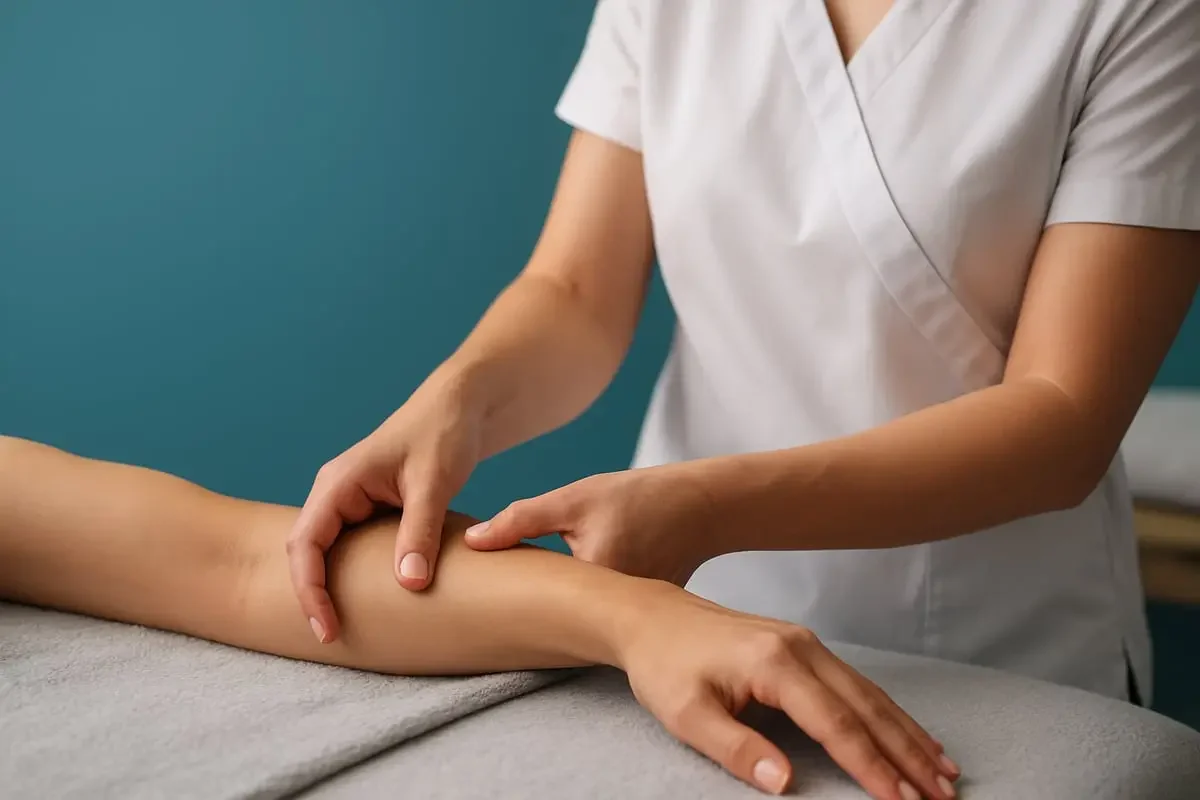
Arm massage delivers measurable benefits for muscle tension, pain reduction, and flexibility. When skilled hands work over the forearms, biceps, and triceps, the muscles relax and circulation improves. Clinical studies, such as those from the University of Illinois at Chicago, confirm that targeted massage increases blood flow and helps muscles recover faster from both repetitive strain and athletic activity.
Improved circulation is not just a feeling; it is a documented effect. Arm massage has been shown to boost peripheral vascular function, which means more oxygen and nutrients reach muscle tissue. This supports faster healing and greater range of motion for people of all activity levels. For those dealing with delayed onset muscle soreness (DOMS) after intense exercise, regular massage can reduce discomfort and speed up recovery time.
The mental benefits of arm massage are equally significant. Gentle, consistent touch signals the nervous system to lower cortisol levels, which helps manage stress and fosters a sense of calm. Many clients at Mountain Health and Performance report improved mood and deeper relaxation after just a short session. The simple act of touch enhances overall well-being and even helps those who spend long hours at a desk or on digital devices.
Pain management is another vital area where arm massage stands out. For conditions such as carpal tunnel syndrome, arthritis, and post-exercise soreness, therapists adapt techniques to address sensitive joints and inflamed tissues. According to recent statistics, moderate pressure massage therapy can improve grip strength and reduce pain for people with upper limb arthritis. Office workers and athletes alike benefit from customized routines that target overused muscles and restore function. For more on supporting recovery from overuse injuries, see Recovery from for overuse injuries.
Professional massage therapists at Mountain Health and Performance often share success stories where clients regain mobility, reduce daily pain, and enjoy a renewed sense of energy. Patient testimonials consistently highlight how a regular arm massage routine transforms their quality of life, both physically and mentally.
Preparing for Your Arm Massage Routine
Setting the stage for a restorative arm massage is essential for achieving deep relaxation and maximizing the benefits. By thoughtfully preparing your environment and following safety guidelines, you can transform your routine into a rejuvenating experience that supports both physical and mental well-being.
Creating the Ideal Environment
A successful arm massage begins with a peaceful, welcoming space. Choose a spot that feels free from distractions. A supportive chair paired with soft pillows helps maintain comfort and proper positioning throughout the session.
Lay out clean towels to protect surfaces and provide extra cushioning. Dim the lighting or use candles to foster a soothing atmosphere that signals your body it is time to unwind.
Select a quality massage oil, such as organic coconut oil, to nourish the skin and ensure smooth, gentle strokes during your arm massage. The right oil minimizes friction and enhances the sensory experience.
Incorporate calming music or nature sounds to quiet the mind. Aromatherapy, using essential oils like lavender or eucalyptus, can further promote relaxation and set a spa-like mood.
Wear loose, comfortable clothing that allows easy access to the arms without restricting movement. Proper positioning is key—your arm should be relaxed and supported, whether you are giving yourself an arm massage or receiving one from a partner or therapist.
By thoughtfully arranging these elements, you lay the groundwork for a truly effective arm massage session.
Safety and Precautions
Safety is fundamental when practicing arm massage. If you have any medical conditions, recent injuries, or ongoing pain, consult a healthcare provider before starting a new massage routine. This is especially important for individuals with arthritis, carpal tunnel syndrome, or other chronic issues.
Avoid massaging areas that are inflamed, bruised, or recently injured. Applying pressure to these spots can worsen symptoms or delay healing. Always start with light pressure and gradually increase as tolerated, checking in with your body's response.
Maintain strict hand hygiene by washing your hands before and after every arm massage. This simple step protects your skin and prevents the spread of germs, ensuring a clean and safe experience.
If you or your partner have arthritis, adapt your technique by using gentle, moderate pressure and focusing on warmth and circulation. In fact, moderate pressure massage benefits for rheumatoid arthritis have been demonstrated in clinical studies, supporting its role in pain reduction and improved hand function.
Finally, communicate openly about any problem areas or discomfort during arm massage. Adjust your approach to accommodate sensitivity, and never force pressure on tender joints or nerves. With these precautions, your arm massage routine will be both safe and deeply restorative.
6 Essential Arm Massage Tips for Relaxation
Finding relief and improving your mountain health and performance can be as simple as practicing an effective arm massage routine. Whether you are an athlete, an outdoor enthusiast, or simply want to ease the tension from daily activities, these six essential tips will guide you toward lasting relaxation and well-being.
1. Warm-Up and Gentle Stroking
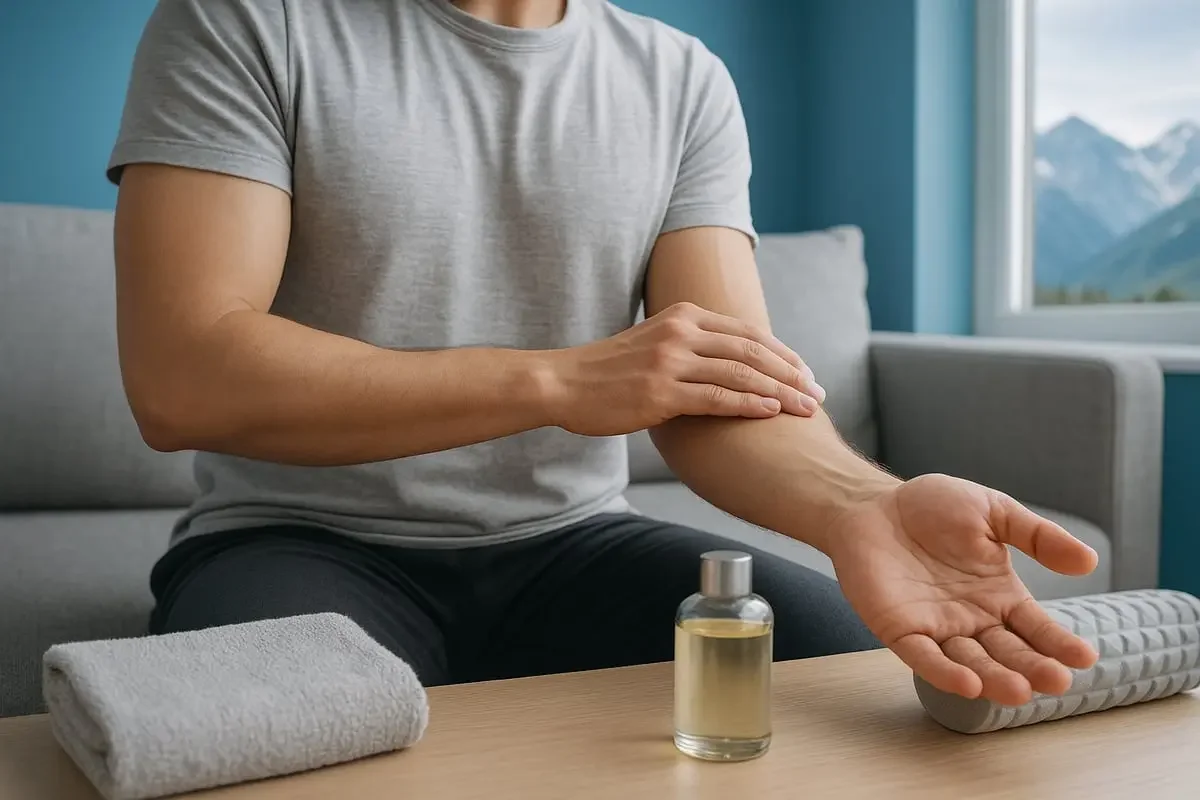
Begin every arm massage session with a warm-up to prepare your muscles and set the stage for deeper work. Start by sitting comfortably, ensuring your arm is well supported with a pillow or towel. Pour a small amount of organic coconut oil into your palms and rub them together until warm.
Use both hands to apply gentle, gliding strokes from the shoulder down to the wrist. Move in a slow, figure-eight motion, which helps distribute oil evenly and encourages blood flow throughout the arm. Repeat these strokes three or four times, keeping your movements fluid and intentional.
This initial phase of arm massage helps to “wake up” the muscles, increasing circulation and gently stretching the skin and connective tissue. By starting with light touch, you also stimulate the parasympathetic nervous system, which promotes relaxation and reduces stress hormones.
As you continue, pay close attention to your breathing. Inhale deeply through the nose and exhale slowly through the mouth. Encourage the person receiving the arm massage to do the same, as synchronized breathing can enhance the calming effect.
Adjust the speed and pressure to match your body’s sensitivity. If you notice any discomfort, lighten your touch and slow down. The goal is to create a soothing experience that readies the arm for more focused techniques.
Remember, a thoughtful warm-up is the foundation of effective arm massage. It not only protects against injury but also maximizes your relaxation results, especially for those prioritizing mountain health and performance.
2. Deep Tissue Kneading for Tension Relief
Once your arm is warmed up, move into deep tissue kneading to release built-up tension. Use your thumbs and fingers to target the belly of the forearm and upper arm muscles. Begin with circular thumb motions, working slowly over areas that feel tight or “knotty.”
Apply moderate pressure, but always stay within a comfortable range. To “milk” the muscle, grasp the arm with both hands and gently squeeze from shoulder to elbow, then release. Alternate hands in a hand-over-hand motion, covering the biceps, triceps, and forearm flexors.
This step of arm massage is especially beneficial for those who spend long hours typing, climbing, or lifting. Deep kneading breaks up muscle adhesions, improves flexibility, and promotes faster recovery after strenuous activity. If you encounter especially stubborn knots, pause and hold gentle pressure for a few seconds before moving on.
It’s important to avoid placing excessive force near sensitive joints or bony areas. Always check in with your body’s feedback and adjust as needed, particularly if you have a history of injury.
For further insight into the technique and its effectiveness, explore the Deep tissue massage benefits as they apply to arm massage and overall muscle recovery.
If performing self-arm massage, use your opposite hand or a massage tool to reach difficult spots. For those with arthritis or carpal tunnel syndrome, reduce the intensity and focus on comfort.
Deep tissue kneading helps maintain your mountain health and performance by keeping your arms strong, flexible, and pain-free.
3. Focused Forearm and Wrist Release
The forearm and wrist endure significant strain during mountain activities, outdoor sports, and repetitive daily motions. To address these areas, focus your arm massage on the forearm flexors and extensors, using slow, deliberate strokes.
Begin by applying gentle pressure with your knuckles, gliding from the elbow toward the wrist. This technique helps to release tension and improve mobility, especially in muscles that are overused.
Incorporate wrist rotations and gentle pulling to decompress the joints. Hold the wrist and gently rotate it in both directions, then softly pull to create space in the joint. These movements are particularly helpful for those dealing with repetitive strain or carpal tunnel symptoms.
For self-massage, tools such as a tennis ball or massage ball are highly effective. Place the ball under your forearm and roll it back and forth for one to two minutes. This simple myofascial release technique can significantly reduce tightness and restore range of motion.
Integrate stretching into your arm massage routine by flexing and extending the wrist while massaging. This combination boosts circulation and promotes healing of minor strains.
Always avoid direct pressure on inflamed tendons or nerves. If you notice tingling, numbness, or sharp pain, stop immediately and consult a healthcare provider.
Focused forearm and wrist release is essential for maintaining healthy arm function and supporting your mountain health and performance goals.
4. Hand and Finger Relaxation Techniques
Hands and fingers are the most active parts of the arm, especially for climbers, athletes, and anyone using digital devices. A dedicated hand and finger massage can alleviate stiffness and promote overall well-being.
Start by massaging the palm with slow, circular thumb motions. Move to the base of the thumb, also known as the thenar eminence, and apply gentle kneading. This area often holds tension from gripping or typing.
Work your way to the web spaces between each finger, gently pressing and releasing. Then, massage each finger individually: hold at the base, apply gentle pressure, and slowly pull toward the fingertip. Finish with a soft compression of the entire palm.
For added comfort, use a natural massage oil to hydrate the skin and enhance glide. This not only feels soothing but also promotes skin health during your arm massage.
These techniques are particularly helpful for those with arthritis, stiffness, or soreness from frequent device use. Remember to be gentle with swollen or tender joints, and pay attention to your body's feedback.
A regular hand and finger massage can improve dexterity, reduce pain, and support your mountain health and performance objectives. Integrate this practice into your daily routine for lasting benefits.
5. Upper Arm and Shoulder Tension Release
Upper arm and shoulder tension can hinder your performance on the mountain and in everyday life. Targeting these areas during your arm massage routine is key to unlocking greater mobility and comfort.
Begin with hand-over-hand strokes along the deltoid and triceps, moving from the shoulder down to the elbow. Use gentle pressure and keep your motions slow and controlled. This helps release muscle tightness and encourages relaxation.
Try placing both hands in a butterfly position on the upper arm and “milk” the muscle from the shoulder to the elbow. Incorporate gentle shoulder rolls to open the upper chest and further reduce tension.
There is a strong connection between shoulder tension and arm discomfort, especially for those who carry backpacks or engage in repetitive overhead movements. Addressing these areas during your arm massage can improve posture and prevent injury.
When performing self-massage, use your opposite hand or a massage ball against a wall for targeted relief. Integrate light stretching, such as reaching overhead or across the body, to enhance your results.
For more guidance on effective techniques, consider reviewing Shoulder massage techniques to complement your arm massage and optimize shoulder mobility.
Always avoid direct pressure on the collarbone and areas with sensitive nerves. Prioritizing upper arm and shoulder care supports your mountain health and performance while reducing discomfort.
6. Integrating Tools and Technology for Enhanced Results
Modern massage tools can elevate your arm massage routine, making it more effective and convenient. Devices such as massage guns, foam rollers, and massage balls are excellent additions for those focused on mountain health and performance.
A massage gun can be used on the arms and hands by selecting a low setting and avoiding direct contact with joints. Move the device slowly along the muscle belly, spending extra time on areas that feel tight or fatigued.
Foam rollers are ideal for larger muscle groups like the biceps and triceps. Position the roller under your arm and gently move back and forth, applying mild pressure. For the forearms, a smaller roller or massage stick may provide better control.
Massage balls are great for pinpointing specific trouble spots. Place the ball against a wall and press your upper arm or shoulder into it, adjusting your body weight to control pressure. This targeted approach can quickly alleviate tightness and improve circulation.
Combining manual and tool-based arm massage provides comprehensive care, saving time and maximizing relaxation benefits. Remember to clean all tools before and after use to maintain hygiene.
Integrating technology into your arm massage routine ensures that your arms stay strong, mobile, and ready for any mountain challenge.
Customizing Your Arm Massage for Specific Needs
When you tailor your arm massage routine to your unique needs, you unlock greater benefits. Whether you are managing discomfort from daily activity, athletic training, or specific conditions, customization ensures both safety and effectiveness.
Adapting Techniques for Common Conditions
Personalizing arm massage for common challenges is essential for optimal results in mountain environments. Here is a quick comparison of how to safely adjust your approach:
Condition / Adaptation Tips / Focus Areas
Arthritis / Use gentle, warm strokes, avoid deep pressure / Joints, fingers
Carpal Tunnel Syndrome / Target palm and wrist, avoid direct nerve pressure / Wrist, palm, forearm
Post-Exercise Soreness / Apply deeper kneading, consider cold therapy / Biceps, triceps, forearm
Office Worker Fatigue / Emphasize forearm and hand release / Forearm, wrist, hand
Athletic Recovery / Integrate stretching and myofascial release / Shoulders, upper arm
For arthritis, prioritize comfort and warmth while massaging the joints and fingers. Carpal tunnel syndrome requires special care: focus on gentle palm and wrist work, but avoid pressure over the sensitive nerve area.
After a challenging hike or climb, deeper kneading combined with ice packs can help reduce muscle soreness. If you spend long hours at a desk, target your forearms and wrists to counteract repetitive strain.
Hand and finger massage is especially important for those frequently gripping poles or equipment. Explore hand massage benefits and self-massage techniques for added guidance on relieving tension in these areas.
Creating a Personalized Routine
Building a consistent arm massage routine supports ongoing health and performance. Start by choosing between daily mini-massages for maintenance or weekly deep sessions for comprehensive care.
Set a regular schedule, such as five minutes every evening or a longer session each weekend.
Track your progress in a journal, noting reduced soreness, improved flexibility, or quicker recovery.
Rotate focus areas each session: one day on forearms, another on upper arms or shoulders.
Involve a partner for mutual support, using clear communication to personalize pressure and techniques.
Adjust techniques as your needs evolve, increasing pressure or adding new stretches as you gain comfort.
Making arm massage a sustainable habit keeps your muscles resilient and your joints healthy, especially in demanding mountain environments. By monitoring results and updating your routine, you ensure that your approach remains effective and enjoyable.
Frequently Asked Questions about Arm Massage
Whether you are an outdoor enthusiast or simply seeking better recovery after a mountain adventure, arm massage can be a powerful tool for health and performance. Below, you will find answers to the most common questions.
Is arm massage safe for everyone?
Arm massage is generally safe for most people. However, individuals with recent injuries, inflammation, or certain medical conditions should consult a healthcare provider before starting. Always avoid massaging areas that are bruised or swollen.
How long should each session last for best results?
For optimal relaxation and performance benefits, aim for 10 to 20 minutes per session. Short daily sessions can help maintain flexibility, while longer weekly massages may address deeper muscle tension.
Can I use any oil or lotion for arm massage?
It is best to choose high-quality, natural oils such as organic coconut or almond oil. These options provide a smooth glide and support skin health, which is important for those spending time in mountain environments.
What are the signs I am using too much pressure?
If you notice pain, lingering soreness, or bruising after arm massage, the pressure is likely too strong. Instead, focus on a gentle approach, checking in with your body’s response, especially after intense mountain activities.
Are there professional services for arm massage, and when should I seek them?
Yes, the therapists at Mountain Health and Performance are well versed in arm massage techniques. Seek a professional if you experience chronic discomfort, limited mobility, or want to target specific issues. For targeted tension relief, Trigger point massage insights can offer valuable guidance.
How does arm massage differ from hand or full-body massage?
Arm massage focuses on the unique muscle groups and connective tissues of the upper limb, targeting areas strained by climbing, hiking, or skiing. This makes it especially effective for mountain athletes who need localized recovery.
Can arm massage help with chronic pain conditions?
Yes, arm massage can support pain management for conditions such as repetitive strain or overuse injuries, which are common in mountain sports. It may also improve range of motion and reduce muscle fatigue.
By incorporating arm massage into your mountain health routine, you can promote recovery, enhance flexibility, and perform at your best on every adventure.
Now that you know the science behind effective arm massage and have practical, expert-backed techniques at your fingertips, it’s a great time to take your relaxation even further. Whether you’re recovering from a sports injury, managing daily tension, or simply looking to boost your well-being, professional support can make all the difference. At Mountain Health and Performance, our experienced massage therapists are here to help you achieve optimal results and lasting relief. If you’re ready to experience personalized care and accelerate your journey to healthier arms, Book with one of our massage therapists today.