North Vancouver Practitioner's Guide to Shoulder Massage Techniques
Imagine feeling your shoulder tension melt away in just a few minutes, thanks to expert-recommended, science-backed techniques. Whether you are dealing with daily stress or persistent pain, relief is within reach.
This post reveals the most effective methods for shoulder massage, empowering both beginners and seasoned therapists to enhance well-being, mobility, and comfort.
We will explore the essentials: understanding shoulder anatomy, the science-backed benefits of massage, practical preparation steps, a range of hands-on and self-massage techniques, advanced tools, and expert safety tips.
Ready to transform your approach to shoulder health? Discover actionable strategies that anyone can follow to achieve lasting relief and unlock the full potential of your shoulders.
Understanding the Shoulder: Anatomy and Common Issues
The shoulder is an engineering marvel, offering one of the widest ranges of motion in the human body. This flexibility comes from a complex network of muscles, tendons, and bones working together. However, this same complexity makes the area vulnerable to tension, overuse, and pain, making proper knowledge of shoulder massage essential for relief and prevention.
Key Muscles and Structures Involved
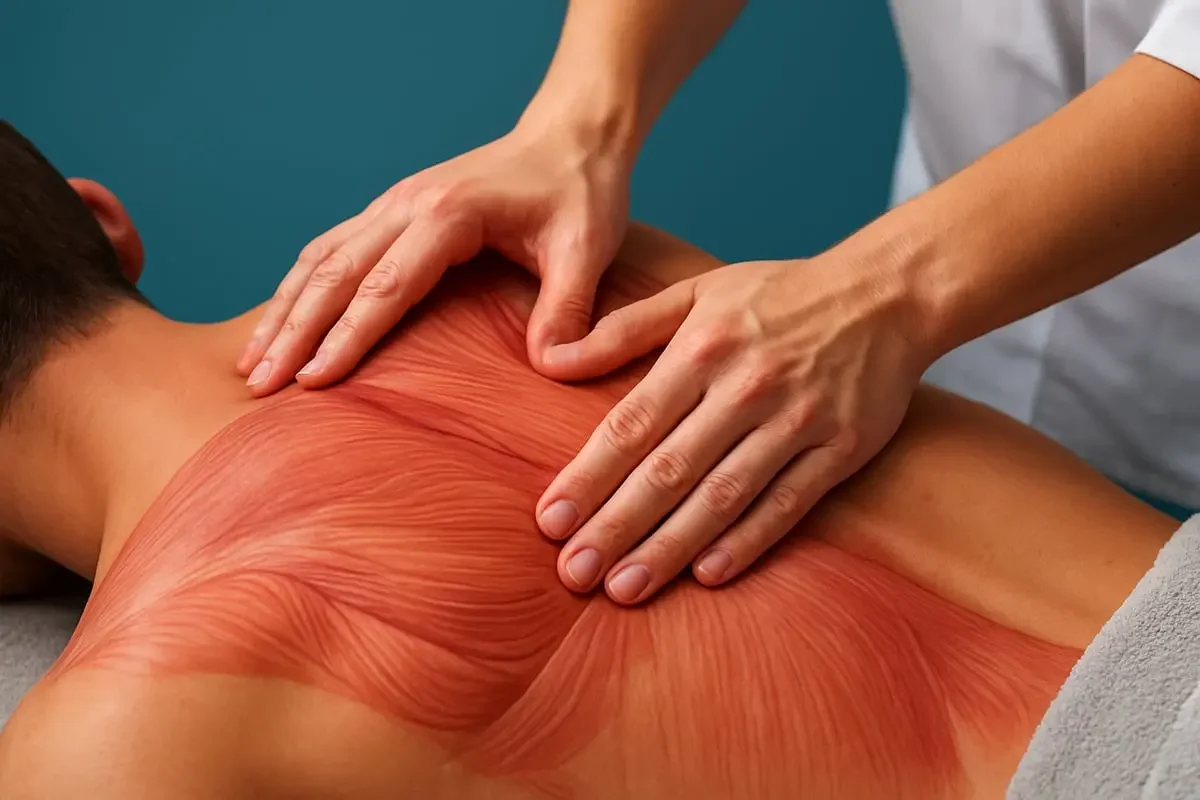
The shoulder consists of several key components. The rotator cuff is a group of four muscles that stabilize the joint, while the deltoids cover the shoulder, giving it shape and power. The trapezius connects the neck and upper back, and the scapular muscles, like the levator scapulae, support shoulder elevation and rotation.
This joint’s remarkable range of motion, allowing you to lift, rotate, and extend your arm, also creates vulnerability. It is prone to strains, tension, and injury due to repetitive movements or poor posture. Common targets for shoulder massage include the upper trapezius, levator scapulae, supraspinatus, and infraspinatus. Statistics reveal that up to 26 percent of adults experience shoulder pain each year.
Muscle knots and trigger points often develop when fibers become tight or overworked. These can limit motion and cause significant discomfort, making targeted shoulder massage a valuable tool for relief and function.
Typical Shoulder Problems Addressed by Massage
Shoulder massage is frequently sought for muscle tension caused by desk work, athletic activity, or everyday stress. Conditions like frozen shoulder, also known as adhesive capsulitis, can severely restrict movement, sometimes reducing the range of motion by up to 75 percent. Overuse injuries and poor posture are additional culprits, often leading to stiffness and pain that affect daily life.
Massage can play a pivotal role in easing pain, improving circulation, and restoring flexibility. It helps break up adhesions, encourages blood flow, and relaxes tense muscles. For those experiencing chronic discomfort, Massage for Shoulder Pain Relief provides further insights on evidence-based techniques and benefits.
By addressing muscle knots and improving tissue health, shoulder massage can reduce the impact of repetitive strain and promote better posture, supporting long-term mobility.
When to Seek Professional Help
While shoulder massage can be highly effective for most tension and mild injuries, some situations require medical attention. Persistent pain, numbness, tingling, or sudden loss of function are red flags that should not be ignored. If you suspect a serious injury, such as a tear or acute inflammation, consult a registered massage therapist or healthcare provider before proceeding.
There are cases where massage is not appropriate, such as during acute injuries, severe inflammation, or infection. Professionals are trained to assess these risks and can develop safe, tailored treatment plans to address complex issues.
Seeking expert guidance ensures that shoulder massage supports healing rather than causing harm, especially for those with underlying health conditions or significant pain.
Benefits of Shoulder Massage: What Science and Experts Say
Shoulder massage is recognized by experts and supported by research for its powerful ability to ease pain, restore movement, and promote relaxation. Whether you are seeking relief from daily tension or looking to enhance athletic recovery, the benefits extend far beyond simple comfort.
Physical and Mental Health Benefits
The physical effects of shoulder massage are well documented. By targeting muscle tension, massage helps to reduce pain, increase blood flow, and boost lymphatic drainage. Studies indicate that massage therapy can reduce muscle soreness by 30 to 40 percent after intense physical activity.
Shoulder massage also improves flexibility, mobility, and posture by loosening tight muscle groups. Enhanced circulation delivers more oxygen and nutrients to tissues, speeding up recovery and reducing stiffness. Notably, research such as the Effectiveness of massage therapy for shoulder pain has shown significant reductions in pain intensity and improvements in daily function for those receiving regular treatments.
Mentally, massage supports deep relaxation and reduces stress hormones. Many people report decreased anxiety and improved sleep quality after shoulder massage sessions.
Who Can Benefit Most
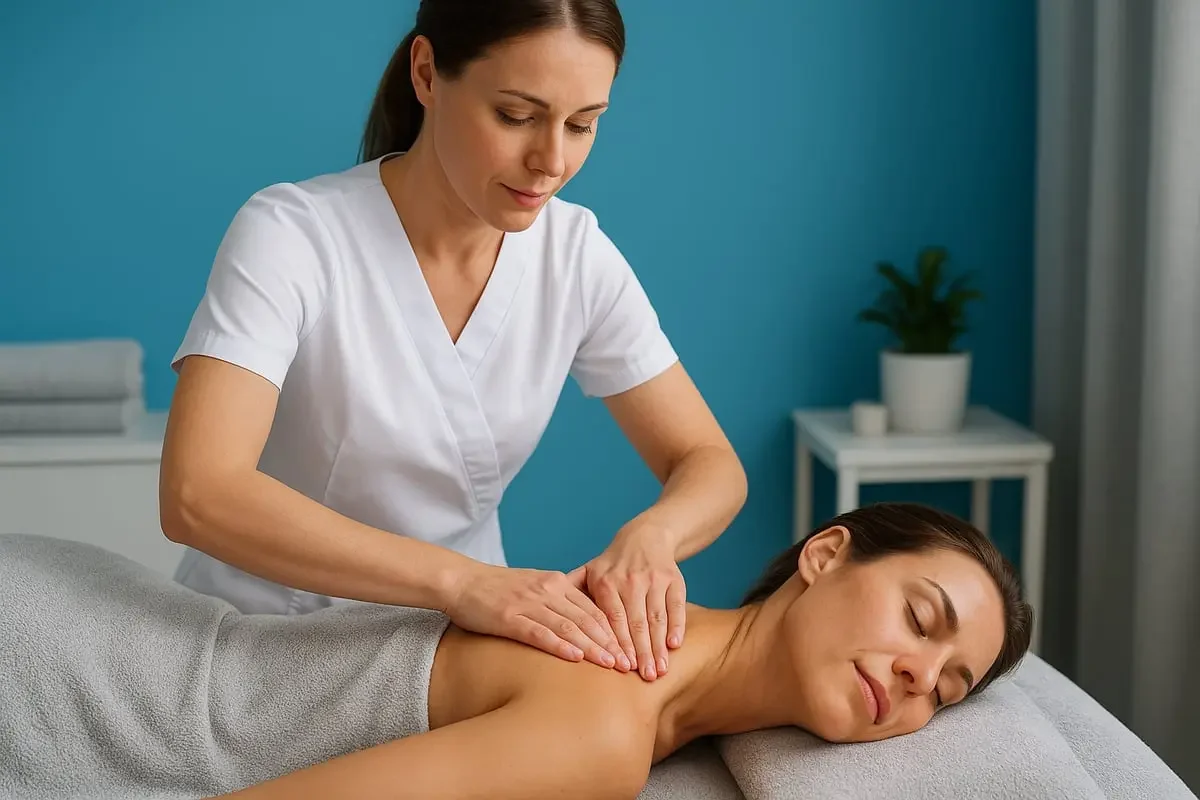
Shoulder massage offers meaningful results for a wide range of individuals. Office workers who spend hours at desks often experience chronic tension and benefit from regular sessions. Athletes use shoulder massage to recover from intense training and to prevent overuse injuries.
Seniors and those recovering from injury also notice enhanced mobility and less discomfort. In cases of frozen shoulder, studies show that massage improves range of motion and reduces stiffness, leading to better daily function.
For optimal outcomes, experts recommend consistent sessions, typically one to two times per week, depending on the level of discomfort and lifestyle factors. The versatility of shoulder massage means it is adaptable for different needs, making it a valuable addition to many health routines.
Limitations and Considerations
While shoulder massage is effective for many, it is important to understand its limitations. Massage should be viewed as a complementary therapy, not a cure for structural injuries or underlying medical conditions.
Some individuals may experience mild bruising or soreness, especially if techniques are too aggressive. Incorrect application of pressure or poor technique can sometimes aggravate symptoms rather than relieve them.
Integrating shoulder massage with regular exercise, stretching, and ergonomic adjustments enhances long-term results. It is always wise to consult a professional if you are unsure about your condition or if symptoms persist after self-care.
Shoulder massage, when used thoughtfully and safely, provides both immediate and lasting benefits for physical and mental well-being.
Preparing for a Successful Shoulder Massage
Before you begin any shoulder massage, thoughtful preparation is essential for a safe, effective, and comfortable experience. By setting up a relaxing environment, ensuring hygiene, and practicing open communication, you create the foundation for optimal results. Let us guide you through the crucial steps for getting ready.
Setting the Stage: Environment and Equipment
Creating the right atmosphere is the first step to a successful shoulder massage. Choose a quiet, comfortable area free from distractions, such as a softly lit room with a stable chair or massage table. Use supportive pillows to position the recipient, ensuring their comfort and relaxation.
Make sure the temperature is pleasant, and adjust lighting to a soothing level. Organizing all your supplies—oils, towels, and any tools—within easy reach will help keep the flow smooth during the shoulder massage.
Hygiene and Safety
Hygiene is non-negotiable for any massage. Always wash your hands thoroughly before starting and sanitize surfaces that may come into contact with skin. Use clean, hypoallergenic towels and select massage oils or lotions that are gentle and free from common allergens.
If you or the recipient have any skin conditions, cuts, or open wounds, avoid those areas to prevent irritation or infection. Prioritizing these practices helps make every shoulder massage safe and comfortable.
Communication and Consent
Open dialogue is key to a positive shoulder massage experience. Before you begin, talk with the recipient about their comfort level, preferred pressure, and any specific areas of pain or sensitivity. Consent is crucial. Confirm they are comfortable with the process and ready to proceed.
Throughout the shoulder massage, encourage feedback. Adjust your technique if the recipient feels discomfort or pain. This approach not only builds trust, but also enhances the effectiveness of your session.
Physical Preparation
Encourage gentle stretching or a brief warm-up before starting the shoulder massage. Hydration is important, so suggest drinking a glass of water beforehand. Advise against heavy meals just before the session, as this can cause discomfort.
Familiarize yourself with key muscle groups and common trigger points to maximize relief. For more on this, you can explore Trigger Point Massage Techniques, which provides practical insights for targeting stubborn knots during a shoulder massage.
Self-Preparation for Givers
As the person giving a shoulder massage, your own preparation matters, too. Use proper body mechanics by standing with feet shoulder-width apart and keeping your back straight. This prevents fatigue and reduces the risk of injury during longer sessions.
Instead of relying solely on your fingers, use your whole arm or palm to apply pressure. This distributes force more evenly and enhances comfort for both you and the recipient. With these habits, you set the stage for a rewarding shoulder massage every time.
Step-by-Step Shoulder Massage Techniques
Unlocking the full benefits of a shoulder massage begins with a structured approach. By following these step-by-step techniques, you can address tension, improve mobility, and support long-term relief. Whether you are a beginner or a professional, this comprehensive guide will help you master the art of effective shoulder massage.
Warm-Up: Loosening the Muscles
Every effective shoulder massage starts with a gentle warm-up. This step prepares the muscles, increases blood flow, and sets the stage for deeper work. Begin with light effleurage, using open palms to stroke along the upper back and shoulders. Move in slow, rhythmic motions, working from the neck outward to the deltoids.
Next, apply light circular motions with your fingertips along the trapezius and deltoid muscles. This action helps stimulate circulation and gently loosens tight areas. Remember, the goal is not to apply deep pressure yet but to relax the surface tissues.
Spending 2 to 5 minutes on this warm-up phase can make a significant difference. Research suggests it improves the effectiveness of deeper shoulder massage techniques that follow. This step also helps the recipient relax and builds trust, which is crucial for a positive experience.
Incorporate deep breaths and encourage the recipient to relax their arms at their sides. This maximizes comfort and allows the muscles to soften naturally. By the end of the warm-up, the shoulder area should feel noticeably more supple and ready for targeted massage work.
Core Techniques: Chronological Guide
After warming up, move into the core techniques that form the foundation of a well-rounded shoulder massage. Each method targets key muscle groups and addresses common sources of tension.
Kneading (Petrissage)
Use your hands in a "C" shape to gently knead the top of the shoulders.
Alternate pressure between your thumbs and fingers, focusing on the trapezius and supraspinatus muscles.
Squeezing and Lifting
Grasp the muscle between your fingers and thumb, lifting and releasing in a slow, controlled manner.
This reduces muscle knots and encourages relaxation.
Circular Thumb Pressure
Apply circular pressure along the shoulder blade and upper back using your thumbs.
Focus on trigger points and areas of tightness, adjusting pressure for comfort.
Shoulder Blade Massage
Trace the outline of the scapula with your thumbs, massaging the muscles between and under the blades.
Avoid direct pressure on bony areas to prevent discomfort.
Percussion (Tapotement)
Use light tapping or chopping motions to stimulate blood flow and invigorate the muscles.
End with this technique to leave the shoulder feeling refreshed.
These methods are supported by clinical evidence. A systematic review and meta-analysis confirms that massage therapy, including these core approaches, effectively reduces neck and shoulder pain. Integrating each technique in sequence ensures you address both surface and deep muscle layers during the shoulder massage.
Repeat each step for 2 to 3 minutes, being mindful of feedback and comfort. This approach can transform routine sessions into highly therapeutic experiences.
Special Focus: Massaging for Frozen Shoulder and Trigger Points
Some individuals experience shoulder conditions like frozen shoulder or persistent trigger points. Adapting your shoulder massage to target these issues can enhance outcomes and support recovery.
Identifying Trigger Points:
Common trigger points include the upper trapezius, levator scapulae, and infraspinatus.
These areas may feel like small knots or tight bands during palpation.
Gentle, sustained pressure for 10 to 30 seconds can help release tension.
Techniques for Frozen Shoulder:
Use slow, controlled movements to increase mobility without causing pain.
Focus on the deltoid and rotator cuff muscles, working within a comfortable range of motion.
Integrate gentle stretching after massage to further improve flexibility.
Cautions:
Avoid overstretching, especially in cases of adhesive capsulitis.
Never apply aggressive pressure to inflamed or acutely injured areas.
If pain intensifies during shoulder massage, pause and reassess your technique.
Tailoring your approach to the individual's needs is essential. Always communicate and adjust based on feedback, ensuring the session remains safe and productive.
Tips for Maximizing Effectiveness
Optimizing your shoulder massage technique leads to better results and a more satisfying experience. Follow these tips to ensure each session is both safe and effective:
Maintain a regular rhythm: Consistent, flowing movements help the recipient relax and allow you to apply even pressure.
Use moderate pressure: Too much force can cause soreness, while too little may not address tension effectively.
Solicit feedback: Check in regularly to ensure comfort and adjust your approach as needed.
Session duration: Aim for 10 to 20 minutes per shoulder massage session for best results.
Other strategies include using your whole arm, not just your fingers, to deliver sustained pressure. This prevents fatigue and helps maintain proper body mechanics for the giver.
Finally, remember to hydrate and encourage the recipient to stretch lightly after the session. These aftercare steps can further enhance the benefits of shoulder massage and promote lasting relief.
Self-Massage Techniques for Shoulder Relief
Even if you do not have access to a therapist, self-massage can be a powerful tool for managing shoulder pain and tension. With a few simple techniques and the right approach, you can experience many of the benefits of a professional shoulder massage in the comfort of your own home.
Simple Hand Techniques
One of the most accessible ways to perform a shoulder massage is using your own hands. Start by gently placing your opposite hand on your sore shoulder. Use your fingertips to knead the muscle in small circles, applying steady but comfortable pressure. Focus on areas where you feel tension or muscle knots, and work gradually across the upper trapezius and along the top of the shoulder.
Use your thumb to press into tight spots.
Alternate between squeezing and gentle rubbing.
Adjust pressure based on comfort.
Studies show that self-massage can reduce perceived pain by up to 25 percent, making it a valuable part of any shoulder massage routine.
Foam Roller and Massage Ball Methods
Foam rollers and massage balls are excellent tools for targeting deeper muscle layers during a shoulder massage. Position a foam roller under your underarm or along the side of your shoulder, then gently roll back and forth to release tension. For more precise work, place a massage ball between your shoulder and a wall, then lean into the ball to apply focused pressure to knots.
Roll slowly to avoid discomfort.
Spend extra time on tight areas.
Use controlled breathing to relax muscles.
These techniques allow you to replicate many benefits of professional shoulder massage at home.
Electronic Massage Tools
Modern electronic devices, such as massage guns and handheld massagers, can enhance your shoulder massage experience. When used correctly, these tools deliver rhythmic pulses or vibrations to help loosen tight muscles and improve relaxation. Always use the lowest setting first and avoid direct pressure on bones or joints.
Move the device in slow, circular motions.
Limit sessions to 5–10 minutes per shoulder.
Avoid using on areas with swelling or acute injury.
Electronic tools are effective for relieving tension, but proper technique is essential to avoid overuse or soreness during your shoulder massage.
Stretching and Movement Integration
Combining gentle stretches with your shoulder massage can greatly improve flexibility and mobility. Try slow shoulder rolls, arm circles, and cross-body stretches after massage to maintain the effects. Clinical evidence suggests that integrating stretching can enhance the gains in shoulder range of motion, especially for those with stiffness or frozen shoulder. In fact, massage therapy improves shoulder range of motion when paired with targeted movement exercises.
Perform stretches after each massage session.
Hold each stretch for 15–30 seconds.
Focus on smooth, pain-free movements.
This integration ensures lasting relief and supports long-term joint health.
When to Self-Massage and When to Seek Help
Self-massage is a safe and effective method for most individuals experiencing mild to moderate discomfort. Aim for a regular shoulder massage routine, such as three to five times per week, to maintain benefits. However, if you notice persistent pain, numbness, or a sudden decrease in mobility, consult a healthcare professional promptly.
Stop if pain increases during self-massage.
Monitor for swelling or bruising.
Seek guidance for chronic or severe symptoms.
Listening to your body and knowing your limits is key to getting the most from self-administered shoulder massage.
Advanced Tools and Professional Techniques
Shoulder massage has evolved with new methods and technology, offering solutions for even the most stubborn pain and tension. Advanced techniques can dramatically improve results, especially for those facing chronic issues or recovering from injury.
Overview of Professional Modalities
Advanced shoulder massage techniques include deep tissue massage, myofascial release, trigger point therapy, cupping, hot stone, and shockwave therapy. These methods target the deeper layers of muscle and fascia to break up adhesions, reduce chronic pain, and restore mobility.
Deep tissue massage is especially effective for persistent knots and tension. Research shows it can reduce chronic pain by up to 30%. For a detailed look at how this works, see Deep Tissue Massage Benefits. Myofascial release focuses on loosening connective tissue, while trigger point therapy pinpoints and relieves localized muscle spasms.
Cupping and hot stone therapy increase blood flow and promote relaxation. Shockwave therapy is gaining popularity for chronic shoulder injuries, using sound waves to stimulate healing. Each modality offers unique benefits, making them valuable options in a comprehensive shoulder massage plan.
Selecting the Right Tools for Home Use
Many people supplement professional shoulder massage with home tools. Foam rollers, massage balls, and electronic devices like massage guns can help maintain muscle health between sessions.
When using these tools, safety is key. Avoid direct pressure on bones or joints, and listen to your body’s feedback. Integrating these devices with regular stretching and movement can enhance your shoulder massage results and support ongoing recovery.
The Role of Registered Massage Therapists
A registered massage therapist brings expertise to every shoulder massage session. They assess your unique needs, identify underlying issues, and tailor techniques for optimal results.
Therapists use their knowledge of anatomy to select the right pressure and modality, whether you are an athlete or spend hours at a desk. They can also provide advice on aftercare and exercises to extend the benefits of your session. Professional guidance helps ensure that shoulder massage is both safe and effective, minimizing the risk of aggravating injuries.
If you are dealing with persistent pain, complex injuries, or need a personalized treatment plan, working with a registered therapist can make all the difference in your recovery and well-being.
Mountain Health and Performance: Your Local Experts in Shoulder Massage Therapy
Mountain Health and Performance in North Vancouver is a leader in shoulder massage and rehabilitation. With over 35 years of experience, their team helps clients recover from injury, reduce pain, and restore mobility.
They offer a multidisciplinary approach, combining chiropractic care, massage therapy, and advanced options like shockwave therapy. Personalized care plans and direct billing for insurance make the process easy. Their expertise is ideal for athletes, office workers, and anyone seeking lasting relief from shoulder issues.
If you want expert help with shoulder massage and a tailored approach to your health, Mountain Health and Performance provides the professional support you need.
Tips for Safe, Effective, and Long-Lasting Results
Prioritizing safety and effectiveness is essential for lasting benefits from any shoulder massage. By following a few expert-backed guidelines, you can maximize relief, prevent setbacks, and make each session count.
Listening to Your Body
Every shoulder massage should be tailored to how your body responds. Notice signs of improvement, such as reduced pain or increased range of motion. If you experience sharp discomfort, numbness, or lingering soreness, it may indicate overuse or improper technique. Rest is vital between sessions to allow tissues to recover and adapt.
Gradual progression is key, especially for new routines or after injury. For those dealing with chronic tension or workplace strain, reviewing strategies for recovering from overuse injuries can support ongoing healing alongside massage.
Integrating Massage with Lifestyle Changes
For long-term results, combine shoulder massage with healthy daily habits. Adjust your workstation ergonomics to reduce strain on the shoulders, and schedule regular movement breaks. Incorporate stretching and strengthening exercises to correct posture and support joint stability.
A holistic approach addresses underlying causes of tension, making massage more effective. By blending these strategies, you help prevent future discomfort and make every shoulder massage session more impactful.
Frequency and Maintenance
Consistency is crucial for maintaining flexibility and minimizing pain. Most people benefit from a shoulder massage once or twice per week, depending on activity level and symptoms. Research indicates that regular sessions can ease muscle soreness and even enhance sleep quality, as shown in studies where shoulder massage reduces postoperative pain and enhances sleep quality.
Listen to your schedule and adjust frequency based on your needs, ensuring that each session is both enjoyable and sustainable.
Avoiding Common Mistakes
To get the most out of shoulder massage, avoid excessive pressure or skipping the warm-up phase. Always communicate comfort preferences and stay hydrated before and after each session. Neglecting aftercare or using improper form can lead to setbacks.
Use moderate, controlled pressure.
Never rush through the warm-up.
Prioritize clear feedback at all times.
Resources for Further Learning
Expand your knowledge of shoulder massage by exploring reputable books, online courses, and professional workshops. Seeking expert advice is recommended for persistent pain or complex issues. Continuous learning ensures your skills remain safe and effective.
Now that you’ve explored the latest shoulder massage techniques and understand how regular care can boost your mobility and well being, you might be wondering how to take the next step toward lasting relief. Whether you’re managing everyday tension or recovering from a sports injury, working with a skilled professional can make all the difference. At Mountain Health and Performance, our experienced team specializes in personalized massage therapy to address your unique needs and help you achieve your goals. If you’re ready to experience expert care and real results, Book with one of our massage therapists today.