North Vancouver Practitioner's 7 TMJ Massage Techniques for Jaw Relief
Jaw pain affects millions, often disrupting sleep, meals, and daily comfort. At Mountain Health and Performance, we understand how TMJ disorders can diminish your quality of life. If you are searching for lasting relief, this guide on TMJ massage is tailored to help you reclaim comfort.
Discover seven expert-approved techniques, blending the latest research with practical self-care. Learn what TMJ is, why massage works, and how you can ease jaw tension at home. Ready to take the first step toward relief? Let us show you how.
Understanding TMJ Disorders and Jaw Pain
The temporomandibular joint, known as the TMJ, is one of the most complex and frequently used joints in the body. Located just in front of each ear, this joint connects your lower jaw to the skull, allowing you to talk, chew, and yawn. When the TMJ is not functioning properly, even simple activities can become uncomfortable or even painful.
TMJ disorders are surprisingly common. Over 10 million Americans are affected, making it a significant health concern. The causes of TMJ pain are varied and can include bruxism (teeth grinding), arthritis, trauma from injury, chronic stress, and jaw misalignment. For a deeper understanding of these causes, you can refer to Understanding TMJ Disorders, which provides expert insights into this condition.
Symptoms of TMJ disorders are not limited to jaw pain. Many people experience clicking or popping sounds when moving their jaw, headaches, earaches, facial tenderness, and even difficulty opening their mouth fully. These symptoms often come and go but can become persistent if not addressed.
The impact on daily life can be profound. People with TMJ issues may struggle to chew certain foods, speak for extended periods, or even sleep comfortably. This discomfort can lead to reduced quality of life, affecting work, relationships, and overall well-being.
Early intervention is critical. Without timely care, TMJ pain can become chronic and may result in long-term complications such as joint damage or persistent muscle dysfunction. Standard treatments include medication, night guards, and physical therapy, but these approaches may not fully resolve the issue for everyone.
This is where TMJ massage becomes a valuable tool. As a non-invasive, complementary approach, TMJ massage can help manage symptoms, promote relaxation, and support the healing process. Many individuals find that integrating TMJ massage into their care routine provides much-needed relief and helps restore comfort in daily activities.
If you are seeking a gentle, effective way to address jaw pain, exploring TMJ massage under the guidance of Mountain Health and Performance professionals can be a wise first step.
How Massage Therapy Eases TMJ Pain
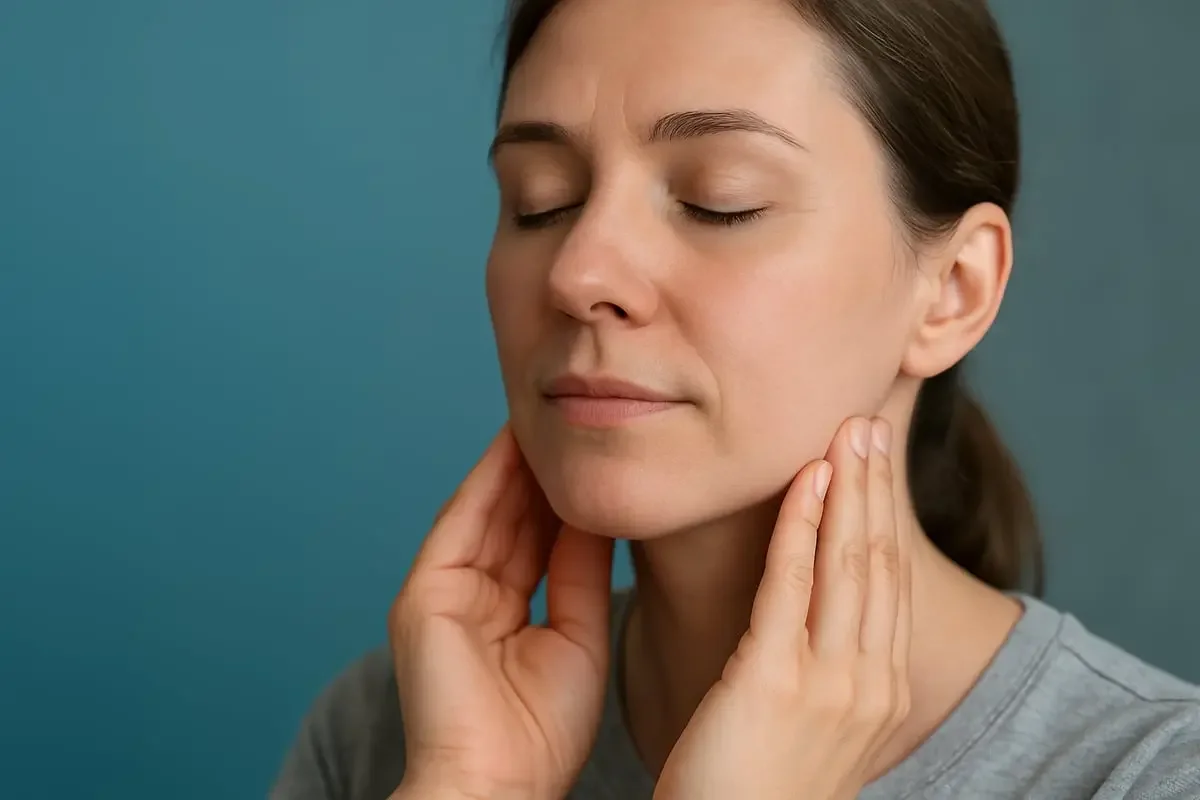
Millions of individuals experience jaw discomfort, often searching for lasting solutions. At Mountain Health and Performance, understanding how TMJ massage alleviates pain is essential for effective care. Let us explore the mechanisms, proven benefits, and when to seek professional guidance for your jaw health.
The Science Behind TMJ Massage
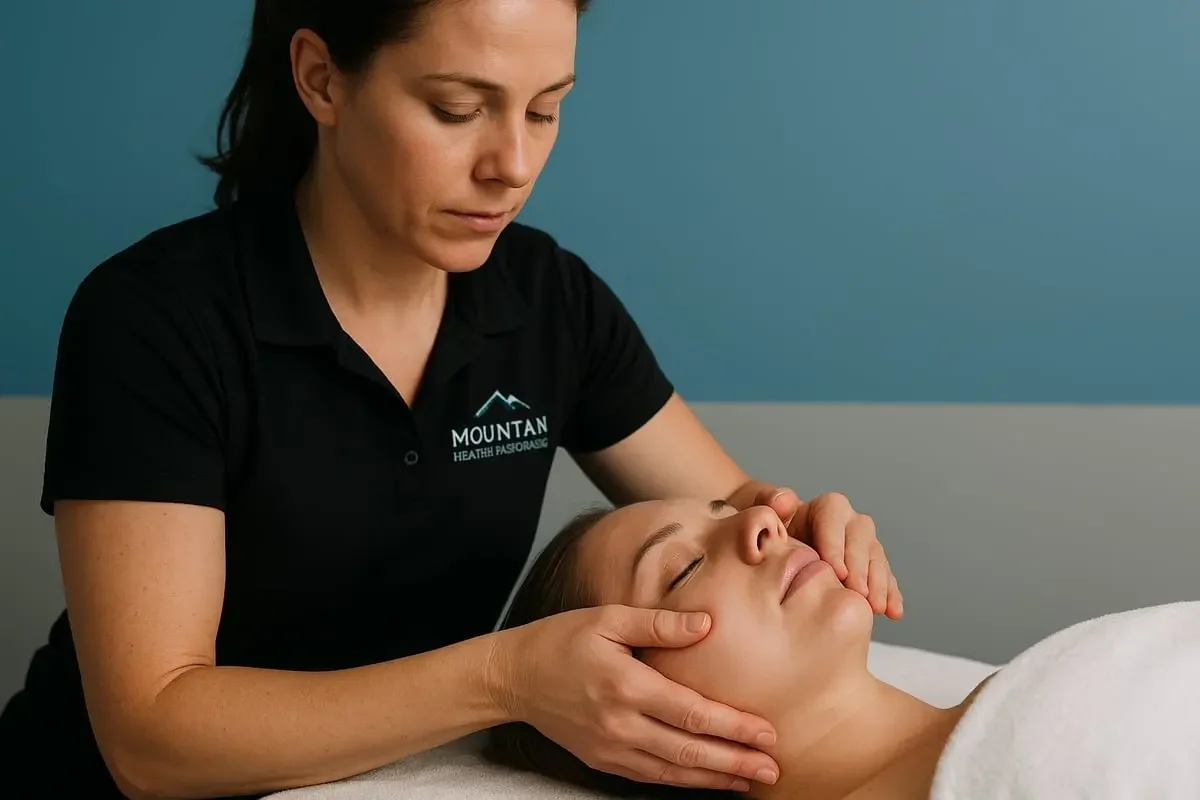
TMJ massage targets the muscles around your jaw, like the masseter, temporalis, and pterygoids. By applying gentle pressure, therapists help release muscle tension and deactivate trigger points that often cause persistent jaw pain.
This technique increases blood flow to affected tissues, supporting the reduction of inflammation and speeding up healing. TMJ massage also has neurological effects, calming the nervous system and lowering pain signals that travel to the brain. Research continues to support these outcomes. For example, a recent Efficacy of Massage in TMD study found that manual therapy can effectively restore muscle balance and reduce symptoms in patients with jaw disorders.
Compared to medication or night guards, TMJ massage offers a non-invasive option that works well when integrated into a multidisciplinary treatment plan, such as those used at Mountain Health and Performance.
Benefits of Regular TMJ Massage
Incorporating TMJ massage into your routine can deliver both immediate and long-term relief from jaw tension. Many patients report:
Quick reduction in jaw pain and tightness
Improved jaw movement and flexibility
Fewer headaches, facial pain, and ear symptoms
Less reliance on medication for symptom control
TMJ massage can be performed at home with the right guidance or by a professional for more targeted results. When done consistently, it may prevent the progression of TMJ disorders and support overall jaw health.
When to Seek Professional Help
While TMJ massage is safe for most, certain signs mean you should consult a healthcare provider. Seek professional evaluation if you experience:
Persistent or worsening jaw pain
Jaw locking or inability to open your mouth fully
Severe or frequent headaches
Jaw injury or trauma
At Mountain Health and Performance, registered massage therapists work closely with chiropractors and physical therapists to provide coordinated care for TMJ issues. Always practice proper technique and hygiene, and remember, self-massage is best for mild symptoms. If in doubt, professional guidance ensures your jaw care remains safe and effective.
7 TMJ Massage Techniques for Jaw Relief
Jaw pain can disrupt your work, sleep, and daily activities. The right TMJ massage routine can make a significant difference. At Mountain Health and Performance, we recommend these expert-approved techniques to help you manage jaw tension and find relief at home or with professional support.
1. Masseter Muscle Kneading
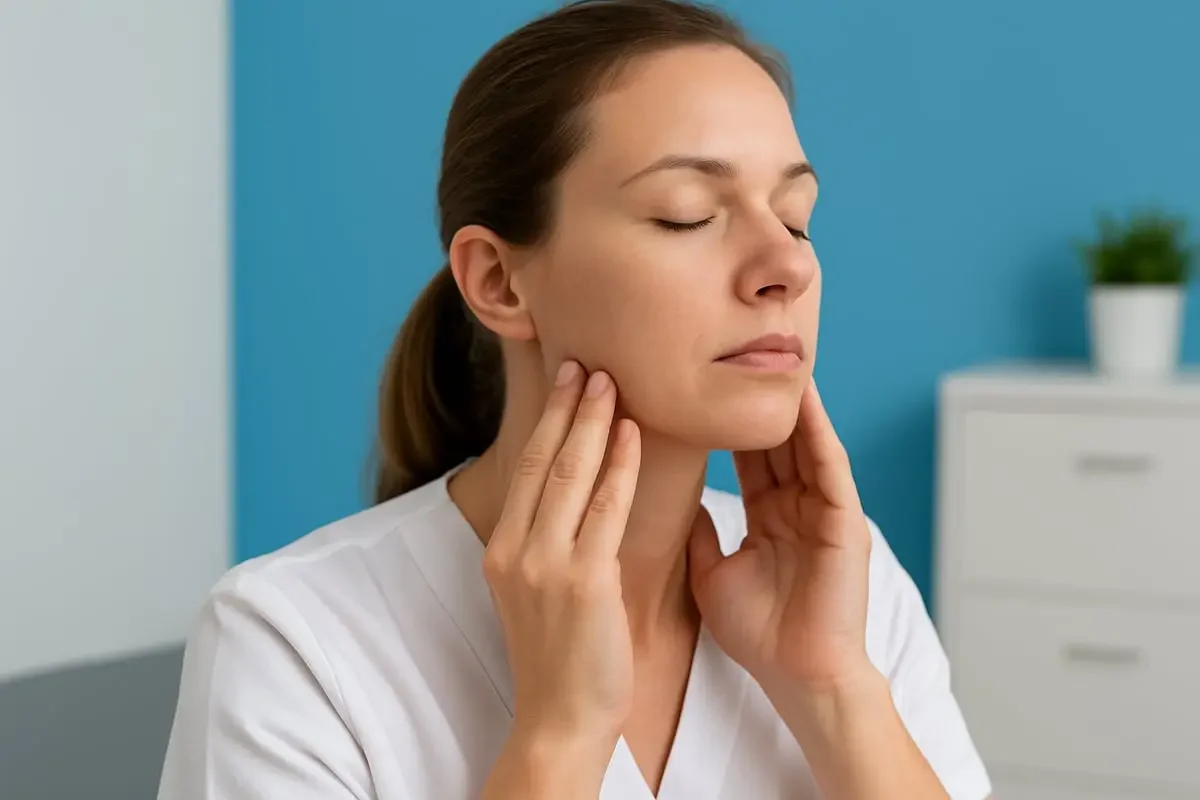
Begin your TMJ massage routine by targeting the masseter muscle, which sits below the cheekbone and is often a source of jaw tension. Use your index and middle fingers to locate the firm area when you clench your teeth gently.
Apply slow, circular pressure with your fingertips, working from the cheekbone down toward the jawline. Spend 1-2 minutes on each side, focusing on any tight or sore spots. This technique helps release muscle knots and can reduce overall jaw discomfort.
For best results, perform this massage twice daily, especially after periods of stress or prolonged chewing. Chiropractors and massage therapists at Mountain Health and Performance often recommend this method for immediate relief. Always avoid pressing too hard; stop if you feel sharp pain or increased discomfort.
2. Temporalis Muscle Massage
The temporalis muscle, found on the sides of your head above the ears, is another common site for TMJ massage. Place your fingertips on your temples and gently rub in small, slow circles.
This technique can help ease headaches, reduce jaw clenching, and promote relaxation. Pairing it with deep breathing enhances the calming effect and supports muscle release.
Massage both sides of your head for balanced relief. Spend 1-2 minutes per side, and repeat as needed throughout the day. This approach is especially useful for those who experience tension headaches or nighttime jaw clenching.
3. Intraoral Pterygoid Release
For persistent TMJ massage needs, the intraoral pterygoid release targets deep jaw muscles inside the mouth. This advanced technique is best performed by a professional, but with proper guidance, some individuals can do it themselves.
Using a clean, gloved finger, gently press along the inside of your cheek toward the upper molars, aiming for the pterygoid muscle. Apply gentle, sustained pressure for 30 seconds to one minute, then release.
This method helps with chronic TMJ pain and limited jaw opening. Always prioritize hygiene and avoid this technique if you have open sores or infections in your mouth. At Mountain Health and Performance, intraoral pterygoid release is often part of comprehensive TMJ care sessions.
4. Jaw Glide and Stretch Massage
Jaw mobility is essential for comfort and function. The jaw glide and stretch TMJ massage combines gentle movement with targeted support. Use your thumbs or knuckles to hold your jaw lightly at the angle near your ear.
Slowly glide your jaw side to side and then forward and back, keeping movements controlled and within a pain-free range. This technique stretches the muscles and ligaments, improving flexibility and reducing stiffness.
Repeat the sequence for 2-3 minutes, once or twice per day. This approach benefits individuals with restricted opening or morning jaw tightness. If you experience pain or clicking, stop and consult a professional.
5. Circular Cheek Massage
Superficial jaw tension often responds well to a circular cheek TMJ massage. Use your palms or fingertips to make large, gentle circles over the cheeks and jawline.
This method boosts blood flow, reduces minor swelling, and soothes sensitive areas. It is ideal for those with inflamed or tender jaws, and can be performed daily as part of your relaxation routine.
Spend 1-2 minutes on each side, focusing on relaxation rather than deep pressure. Practitioners at Mountain Health and Performance recommend this technique for stress-related jaw pain and for clients who are new to massage therapy.
6. Trigger Point Release with Tools
For targeted TMJ massage, incorporating massage tools like balls or rollers can enhance your results. Identify common trigger points in the jaw, neck, and upper back, then use the tool to apply gentle, sustained pressure.
Begin by slowly rolling the tool over tight spots for 30 seconds to 1 minute. This approach offers deeper muscle release and can be more precise than using your hands alone. Always follow the manufacturer’s guidelines and avoid overusing tools.
For more details on this technique, see Trigger point massage techniques, which explains how to safely and effectively address stubborn jaw and neck tension. Used correctly, these tools can be a valuable addition to your self-care routine.
7. Self-Massage with Heat Therapy
Combining heat with TMJ massage can provide lasting relief from chronic tension. Apply a warm compress or heating pad to your jaw area for about 10 minutes to relax the muscles.
After heating, use your fingertips to gently massage key jaw regions, such as the masseter and temporalis muscles. The warmth enhances circulation and makes the massage more effective.
This technique is especially helpful in the morning to ease overnight tightness or in the evening to unwind after a stressful day. Repeat as needed, and always test the heat source to ensure it is comfortable and safe for your skin.
Tips for Safe and Effective TMJ Self-Massage
Practicing safe and effective TMJ massage is essential for achieving relief while protecting your jaw health. Begin each session by washing your hands thoroughly and ensuring any tools you use are clean, especially if you attempt intraoral techniques.
Apply only gentle pressure at first, increasing gradually as your comfort allows. Slow, controlled movements are key to preventing irritation or worsening symptoms. Always pay attention to your body's signals during TMJ massage. If you notice increased pain, swelling, or new symptoms, pause immediately and reassess your approach.
For optimal results, perform TMJ massage daily or several times per week. Integrating relaxation techniques, such as deep breathing or mindfulness, can enhance your results and help reduce overall tension.
Here are some essential safety tips for your routine:
Maintain hygiene: Clean hands and tools before every session.
Start gently: Apply light pressure and only increase as tolerated.
Use slow movements: Avoid rapid or forceful actions.
Monitor your response: Stop if pain or discomfort worsens.
Be consistent: Regular practice supports long-term relief.
If you experience persistent jaw pain, locking, or are uncertain about your technique, it is wise to consult a North Vancouver registered massage therapist for expert guidance. Professional assessment can help you avoid complications and ensure you are using the most effective approach.
For those interested in learning more about step-by-step methods, explore trusted resources like these TMJ Massage Techniques for further guidance and visual demonstrations.
By following these guidelines, you can safely incorporate TMJ massage into your self-care routine and support your journey toward lasting jaw comfort.

Integrating TMJ Massage into Your Wellness Routine
Integrating TMJ massage into your daily habits can make a significant difference in managing jaw pain and improving your overall well-being. At Mountain Health and Performance, a personalized approach ensures every aspect of your jaw care is covered for maximum relief and long-term success.
Creating a Personalized Jaw Care Plan
Begin by carefully assessing your TMJ massage needs. Identify your symptoms, such as jaw tightness, headaches, or clicking, and consider what triggers your discomfort. Set clear goals like reducing pain, restoring jaw movement, or preventing future flare-ups.
Combine TMJ massage with other self-care methods. Incorporate jaw exercises, improve your posture, and manage stress daily. For those who experience related neck tension, massage therapy for neck pain can enhance your results. Track your progress by noting changes in pain and function, and adjust your routine as needed.
Involve healthcare professionals at Mountain Health and Performance for expert guidance, ensuring you address the root causes and receive a comprehensive treatment plan tailored to your needs.
Lifestyle Adjustments for Lasting Relief
Sustaining the benefits of TMJ massage requires ongoing attention to lifestyle habits. Avoid chewing gum, biting nails, or clenching your teeth, as these actions can strain your jaw muscles. Maintain proper posture, especially when working at a desk or using electronic devices, to prevent additional tension.
Manage stress through regular exercise, calming activities, and good sleep hygiene. Use ergonomic pillows and supports to keep your neck and jaw aligned at night. Consistency is key: stick to your jaw care plan, and you will notice steady improvements in comfort and jaw function.
By integrating these adjustments with TMJ massage, you create a foundation for lasting jaw health and overall wellness.
Now that you have a clear understanding of TMJ disorders and practical massage techniques to ease jaw pain, you might be wondering how to take your relief to the next level. Professional support can make all the difference, especially if you want tailored care or need help with persistent symptoms. At Mountain Health and Performance, our experienced massage therapists specialize in musculoskeletal conditions and provide evidence-based TMJ relief. If you are ready for expert guidance and hands-on care, I encourage you to Book with one of our massage therapists today. Your jaw comfort and overall well-being are within reach.