Tennis Injury Prevention: North Vancouver Expert Tips
Tennis continues to surge in popularity, attracting players of all ages and skill levels. With increased participation comes a higher risk of injury, making tennis injury prevention more important than ever. This guide provides expert-backed strategies to help you stay healthy and perform at your best. You will discover the main causes of injuries, essential prevention steps, smart equipment choices, effective training routines, and proven recovery protocols. Ready to play smarter and safer? Let’s explore actionable steps to keep you on the court, injury-free.
Understanding Tennis Injuries: Causes and Risk Factors
Tennis is a dynamic sport, demanding quick movements, explosive power, and repetitive motions. These factors make tennis injury prevention essential for all players. Understanding what causes injuries and which areas are most at risk can help you stay healthy on the court.

Common Types of Tennis Injuries
Tennis injuries most frequently affect the lower limbs, accounting for approximately 40% of all cases. The upper limbs, including the shoulder, elbow, and wrist, make up 25%, while the trunk, back, and abdomen contribute around 20%. The remaining 15% involve other body parts or less common conditions.
Common lower limb injuries include ankle sprains from sudden stops or changes in direction. Knee pain and Achilles tendon issues are also prevalent. For the upper body, tennis elbow (lateral epicondylitis) is a classic overuse injury, often caused by repetitive backhand strokes. Rotator cuff injuries and wrist strains are frequent among players who hit powerful serves or topspin shots.
Overuse injuries result from repetitive stress over time, such as tendonitis or stress fractures. Traumatic injuries, in contrast, stem from acute events like falls or sudden twists. Effective tennis injury prevention addresses both these categories, focusing on strengthening vulnerable areas and refining technique.
Understanding the types of injuries most likely to occur is the first step in any tennis injury prevention plan. By identifying where you are most vulnerable, you can tailor your training and recovery strategies accordingly.
Key Risk Factors in Tennis
Several risk factors contribute to the likelihood of injury during tennis. Overload and overuse are especially significant. Playing too often or increasing training intensity rapidly can overwhelm the body's ability to recover, making tennis injury prevention a constant priority.
Musculoskeletal imbalances, such as weak or inflexible muscles, and poor posture, can place uneven stress on joints and tendons. Technical faults, like improper grip size or poor stroke mechanics, may lead to unnecessary strain on the wrist, elbow, or shoulder.
Equipment choices also play a role. Using a racquet with the wrong weight or grip size, wearing unsupportive shoes, or switching equipment abruptly can increase injury risk. Environmental factors, including court surface type, weather, and unsafe playing conditions (like wet or cracked courts), further complicate tennis injury prevention.
Traumatic incidents, such as slips and falls, can cause sudden injuries. Recognizing these risk factors allows players to modify their approach and reduce the chance of missing time due to injury.
Relevant Statistics and Data
Almost half of tennis injuries involve the lower limbs, highlighting the need for focused tennis injury prevention strategies in this area. Overuse injuries are particularly common among youth and competitive players, often resulting from cumulative microtrauma rather than one specific event.
Environmental changes, such as moving from a clay court to a hard surface, significantly increase injury risk. Studies have shown that players are more likely to experience acute injuries when adapting to new surfaces or weather conditions.
A recent Tennis-Related Injuries: A NEISS Database Study provides valuable insight into injury patterns, confirming that lower limb and overuse injuries dominate across all levels of play. By understanding these trends, athletes and coaches can prioritize tennis injury prevention efforts where they are needed most.
Effective tennis injury prevention relies on a combination of awareness, preparation, and ongoing adaptation to personal risk factors and the playing environment.
Step-by-Step Guide to Tennis Injury Prevention
Staying healthy on the court requires more than just skill and enthusiasm. A well-structured tennis injury prevention plan is essential for players who want to perform consistently and avoid setbacks. By following these evidence-based steps, you can build resilience, improve performance, and play with confidence throughout the season.

Step 1: Smart Training Progression
A key pillar of tennis injury prevention is progressive training. Sudden increases in play intensity, frequency, or session duration can overload muscles and joints, raising the risk of injury.
To minimize these risks, increase training loads gradually. For example, limit weekly increments in court time to no more than 10 percent. Always allow at least one full day off per week for recovery, especially during intensive periods.
Adjust your routine when introducing new surfaces or equipment, as changes can challenge your body's adaptation. Monitor for warning signs of overtraining, such as persistent fatigue, mood disturbances, and declining performance. Both the WTA and junior tennis guidelines recommend age-appropriate training volumes to protect developing athletes.
Consistent tracking is fundamental for tennis injury prevention and long-term growth.
Step 2: Mastering Warm-Up and Cool-Down Routines
Effective warm-up and cool-down routines are vital parts of tennis injury prevention. A structured warm-up should include four phases:
Light cardio (e.g., skipping or jogging)
Mobility exercises for joints
Muscle activation drills (bands or bodyweight)
Tennis-specific shadowing with racquet
This approach primes muscles, boosts coordination, and reduces the chance of knee or ankle injuries.
For cool-down, use two steps: light aerobic work (like walking or cycling) and focused stretching or mobility. These routines help clear metabolic waste and reduce muscle tightness.
Professional players rely on these habits before and after every match. Emulating their approach enhances tennis injury prevention for athletes at all levels.
Step 3: Strength, Conditioning, and Flexibility Programs
Addressing muscle imbalances and building overall strength are foundational for tennis injury prevention. Implement tennis-specific strength and conditioning plans that target the core, legs, and upper body.
Emphasize exercises for the rotator cuff and scapular stabilizers to lower the risk of shoulder and elbow injuries. Regular flexibility work for hamstrings, quadriceps, shoulders, and the back helps maintain healthy, resilient muscles.
Consulting a professional for personalized assessments ensures your program addresses your unique needs. For proactive strategies, Prehab strategies for injury prevention outlines effective exercises that can be integrated into your routine to further reduce injury risk.
By prioritizing these elements, tennis injury prevention becomes an achievable goal for every player.
Step 4: Technical Skill Development and Coaching
Proper technique is a cornerstone of tennis injury prevention. Regular analysis by qualified coaches helps identify and correct technical faults before they become problematic.
Attention to grip size, stroke mechanics, and kinetic chain coordination ensures efficient movement and reduces stress on joints. Simple adjustments, such as avoiding excessive wrist snap on forehands, can significantly lower the risk of chronic injuries.
A practical example comes from athletes who modified their serve technique to relieve shoulder discomfort. This proactive approach demonstrates how small changes can have a big impact on tennis injury prevention.
Step 5: Recovery and Rest Protocols
Recovery is as important as training in any tennis injury prevention plan. Prioritize adequate rest between matches and sessions to allow tissues to repair.
Nutritional strategies, including regular hydration and balanced meals, support muscle recovery and overall health. For sessions exceeding one hour, include electrolyte drinks to maintain fluid balance.
Post-match recovery should involve foam rolling, ice or hot baths, and mental relaxation techniques. Taking time to "switch off" from tennis benefits both the body and mind. Data consistently shows that well-structured recovery routines reduce delayed onset muscle soreness and lower the chance of repeat injuries.
By integrating these protocols, tennis injury prevention becomes a sustainable and rewarding part of your athletic journey.
Equipment and Environmental Considerations for Injury Prevention
Selecting the right gear and adapting to your playing environment are vital aspects of tennis injury prevention. Many injuries occur not just from overuse or poor technique, but also from unsuitable equipment or challenging court conditions. By making informed choices, players of all levels can reduce their risk and play with confidence.
Choosing the Right Equipment
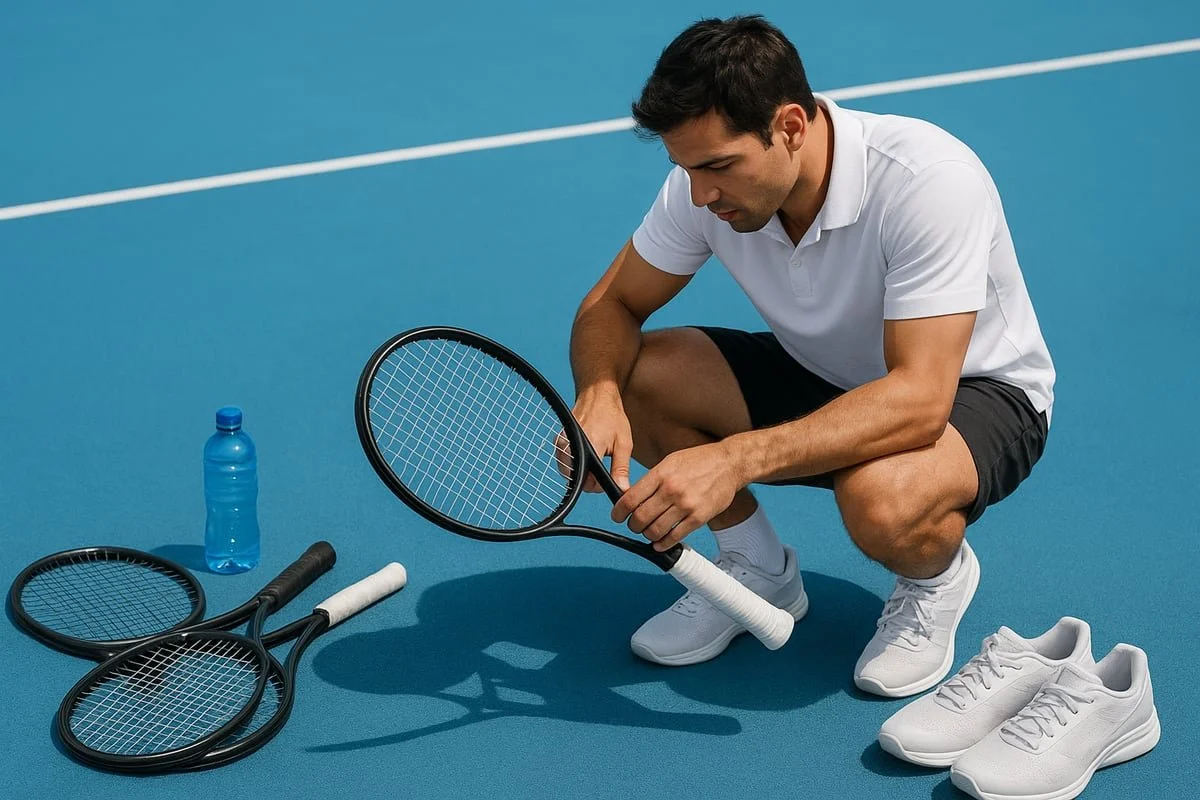
Optimal equipment selection is foundational for tennis injury prevention. The racquet you choose should match your playing style, physical build, and experience level. Racquet weight, balance, string tension, and grip size all influence the stress placed on your joints and muscles.
Heavier racquets can help absorb shock but may be harder to maneuver for some players. Lighter racquets offer agility but might transfer more vibration to the arm, increasing the risk of tennis elbow. String tension also matters: higher tension offers control but can increase arm strain due to more vibration transferring to the arm, while lower tension provides a softer, more 'arm friendly' feel, but with less power, so players often compensate by generating more power through the arm while swinging.
Grip size is another crucial factor in tennis injury prevention. A grip that's too small or too large forces your hand and forearm to compensate, potentially leading to overuse injuries. Test several grip sizes to find the best fit, or consult a professional for guidance.
Footwear is equally important. Tennis shoes should provide lateral support, a snug fit, and a sole designed for your preferred court surface. Using shoes intended for other sports can increase injury risk due to inadequate traction or support. Rotating shoes—using tennis-specific shoes for court play and running shoes for linear training—can extend shoe life and maintain performance.
Sudden equipment changes, like switching racquets or shoes without a transition period, often lead to injury. Gradually break in new gear and monitor your body for discomfort. For in-depth advice on gear selection and its impact on tennis injury prevention, consult Tennis Injury Prevention - OrthoInfo.
Environmental Awareness and Adaptation
Environmental factors play a significant role in tennis injury prevention. Different court surfaces (hard, clay, and grass) affect movement patterns and the forces transmitted through your body. Hard courts are unforgiving and increase stress on joints, while clay courts demand greater lateral movement and can challenge your adductors and ankles. Grass courts, though softer, may lead to slips if not maintained properly.
Transitioning between surfaces requires adaptation. When moving from hard to clay courts, consider strengthening your adductors and improving mobility to reduce the risk of groin strains. On grass, focus on glute activation and ankle stability to prevent falls.
Always assess the court before play. Avoid wet, cracked, or uneven surfaces, as these conditions significantly increase the risk of slips, ankle sprains, or more severe injuries. Weather also matters in tennis injury prevention. High temperatures raise the risk of heatstroke, while cold weather can cause muscle stiffness and slower reaction times. Windy conditions may tempt players to overreach or lunge, increasing strain on joints.
Sun protection is frequently overlooked. Use sunscreen, wear hats, and opt for light, breathable clothing to reduce the risk of sunburn and overheating. By staying alert to environmental changes and adapting your routine, you can make tennis injury prevention a consistent part of your game.
Preventing and Managing Specific Tennis Injuries
Staying on the court and performing at your best requires a focused approach to tennis injury prevention. Each area of the body presents unique challenges, and understanding how to prevent and manage injuries is essential for longevity in the sport. Below, we break down targeted strategies for the most common problem areas in tennis.

Shoulder and Elbow Injuries
Shoulder and elbow issues are frequent in tennis, especially among players who serve and smash overhead repeatedly. To reduce strain, limit the number of high-intensity serves and smashes during practice. Incorporate rest periods to allow muscles and tendons to recover.
Strengthening the scapular stabilizers and rotator cuff muscles is a cornerstone of tennis injury prevention. Use resistance bands for external rotation exercises and focus on slow, controlled movements. This builds resilience and helps protect against common overuse injuries like rotator cuff tendinopathy and tennis elbow.
Technical adjustments also play a role. Work with a coach to ensure you are not leading with the elbow or snapping the wrist excessively during serves and groundstrokes. Small corrections can make a significant difference in tennis injury prevention by minimizing repetitive stress. Remember, even top professionals routinely review their mechanics to stay injury-free.
Wrist and Back Injuries
Wrist injuries often result from excessive top spin or allowing the racquet head to drop too far during play. To support tennis injury prevention, keep your grip relaxed and avoid forcing unnatural wrist movements. Strengthening forearm muscles with light weights or grip trainers can help stabilize the wrist under load.
For the back, avoid over-arching during serves and focus on a strong, stable core. Regular stretching and strengthening of the back and abdominal muscles are essential. Incorporate exercises like planks, bird-dogs, and gentle spinal rotations into your routine. This approach not only supports tennis injury prevention but also enhances your overall performance on the court.
Technique matters here, too. Work with a professional to ensure your serve and groundstroke mechanics are not placing undue stress on your back or wrist. Prevention is always more effective than treatment when it comes to tennis injury prevention.
Knee and Ankle Injuries
Lower limb injuries can sideline even the most dedicated athletes. To promote tennis injury prevention, focus on strengthening the hip, knee, and lower leg muscles. Include exercises like squats, lunges, and calf raises to build stability and power.
Proper stretching of the hamstrings and quadriceps before and after play reduces the risk of strains. For those with a history of ankle sprains, wearing a supportive brace can provide additional protection. It is also wise to regularly review your warm-up and mobility routine. For more targeted advice, explore mobility training for injury prevention, which offers practical strategies to keep your joints healthy and resilient.
Always adapt your movement patterns to different court surfaces and conditions. Consistent attention to these details is a key pillar of tennis injury prevention and long-term success.
Managing Pain and Early Intervention
Never ignore persistent pain or discomfort. Playing through pain increases the risk of chronic injuries and longer recovery times. Key warning signs include swelling, limited mobility, and pain that does not subside with rest.
Early intervention is crucial for effective tennis injury prevention. When symptoms arise, consult with a sports medicine professional for assessment and tailored treatment. This proactive approach can significantly reduce recovery times and prevent minor issues from becoming long-term problems.
Remember, seeking help early is not a sign of weakness but a mark of a responsible athlete. By prioritizing tennis injury prevention and listening to your body, you set yourself up for a healthy, successful season.
Nutrition, Hydration, and Recovery Strategies
Proper nutrition, hydration, and recovery are pillars of tennis injury prevention. Whether you are a recreational player or a seasoned competitor, focusing on these areas can make a significant difference in your resilience and performance on court.
Optimal Nutrition for Tennis Players
Nutrition is a critical element in tennis injury prevention. A balanced diet fuels performance, supports muscle repair, and optimizes recovery. Tennis players should prioritize:
Complex carbohydrates for sustained energy (whole grains, fruits, vegetables)
Lean proteins for muscle repair (chicken, fish, tofu, legumes)
Healthy fats for joint health (avocado, nuts, olive oil)
Timing is also essential. Consuming a meal with carbohydrates and protein 2-3 hours before play, and a small carbohydrate-rich snack 30-60 minutes prior, optimizes energy levels. After matches or intense training, refuel within 30 minutes with a blend of protein and carbs to accelerate recovery.
For more in-depth guidance on fueling for performance and rehabilitation, visit Nutrition and recovery for athletes. Strategic nutrition choices are foundational to effective tennis injury prevention.
Hydration Protocols
Staying hydrated is vital for tennis injury prevention. Dehydration can lead to muscle cramps, fatigue, decreased concentration, and a higher risk of soft tissue injuries. To maintain optimal hydration:
Drink water before, during, and after play
Sip fluids at every changeover
Use sports drinks with electrolytes for sessions longer than one hour
Signs of dehydration include dry mouth, dizziness, and dark yellow urine. In hot conditions, increase fluid intake and consider sodium-rich drinks to replace lost electrolytes. Avoid caffeinated beverages that can increase fluid loss.
Establishing consistent hydration habits is an easy, effective step in your tennis injury prevention plan. Proper fluid balance helps maintain muscle function and reduces the risk of overuse and acute injuries.
Advanced Recovery Techniques
Recovery strategies are essential for tennis injury prevention, especially for those training or competing frequently. Incorporate:
Foam rolling to relieve muscle tension and enhance mobility
Ice baths or hot baths to reduce inflammation and promote relaxation
Gentle stretching to maintain flexibility
Mental recovery is equally crucial. Techniques such as mindfulness, deep breathing, or visualization help lower stress and support overall well-being. Aim for regular sleep patterns and take rest days to allow your body to heal.
For those dealing with recurring soreness or overuse symptoms, explore evidence-based approaches in Recovering from overuse injuries. Integrating smart recovery practices strengthens your tennis injury prevention strategy and supports long-term athletic health.
When to Seek Professional Help for Tennis Injuries
Recognizing when to seek professional help is a critical part of tennis injury prevention. Ignoring pain or trying to play through discomfort can turn minor issues into long-term setbacks, affecting your ability to stay on the court.
Warning signs that demand attention include severe or persistent pain, visible swelling, and any noticeable loss of joint mobility. If you experience these symptoms, consulting a specialist for prompt evaluation and care is essential. Early diagnosis ensures you receive a tailored rehabilitation plan, minimizing downtime and preventing chronic complications.
A multidisciplinary approach is often most effective. Combining chiropractic care, massage therapy, and physiotherapy can address both the root cause and symptoms of injuries. This comprehensive care speeds up recovery and supports ongoing tennis injury prevention by correcting biomechanical imbalances and optimizing movement patterns.
Clinics with a strong background in sports injury prevention and rehabilitation, offer evidence-based strategies tailored to tennis players. Choosing experienced professionals ensures you benefit from the latest techniques and a patient-centered approach, which is vital for long-term health and peak performance.
Prioritizing tennis injury prevention by seeking timely professional support empowers you to recover fully and return to the court stronger than before.
As you put these expert-backed tennis injury prevention tips into practice, remember that your body deserves the best support both on and off the court. Staying proactive with regular chiropractic care can help you address muscle imbalances, improve mobility, and keep your spine and joints in top shape, so you can play your best game all season long. If you’re ready to invest in your long-term performance and recovery, I encourage you to Book with one of our chiropractors today. Your future self (and your tennis game) will thank you.