Tennis Injuries: Prevention and Recovery
Tennis is reaching unprecedented popularity, bringing more athletes of all ages to the court. With this rise comes a greater risk of tennis injuries that can sideline even the most passionate players.
Are you worried about missing out due to pain or setbacks? This comprehensive guide will equip tennis players, coaches, and parents with the most current strategies for injury prevention and fast recovery.
Discover the latest on common injuries, proactive prevention, step-by-step recovery, expert rehabilitation, and tips for a safe return to play. Stay ahead with practical, science-backed advice for a pain-free tennis experience.
Understanding Tennis Injuries
Tennis is more dynamic and physically demanding than ever, putting players of all ages at risk for a variety of injuries. Understanding the landscape of tennis injuries is critical for athletes, coaches, and parents aiming to keep themselves or their players healthy and competitive.
The Most Common Tennis Injuries
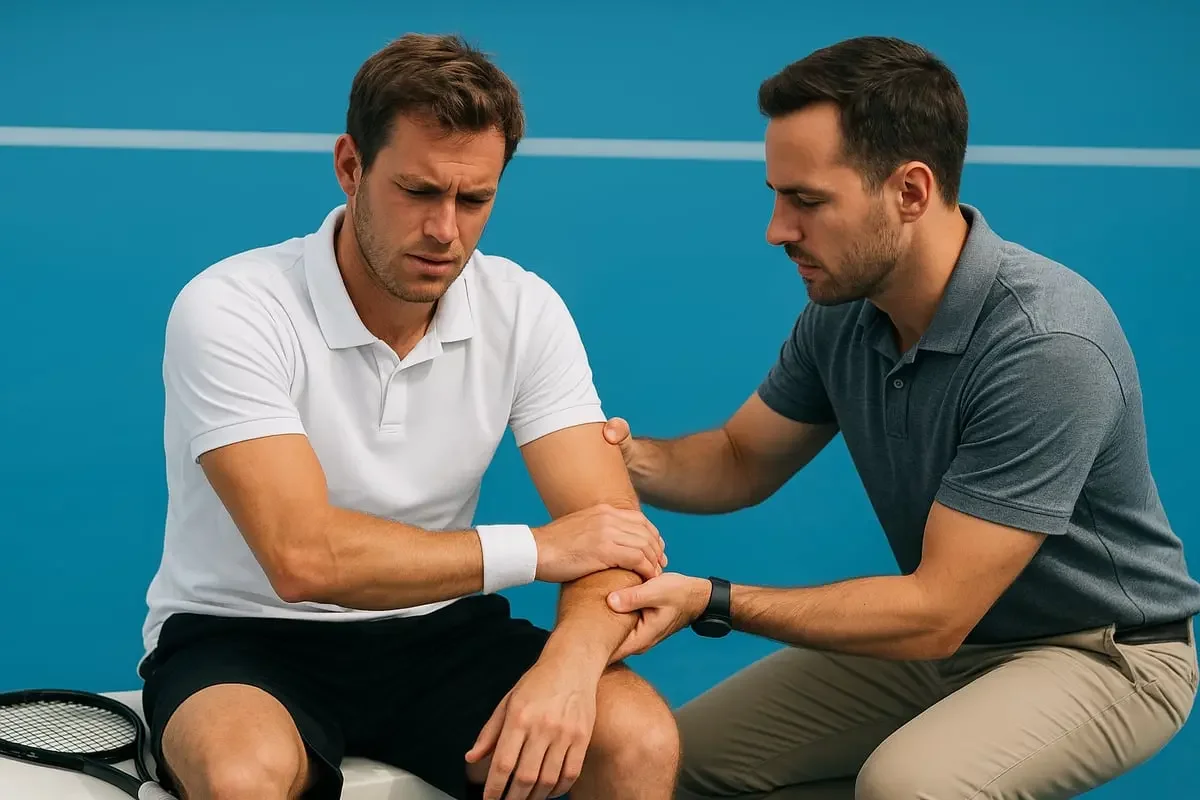
Tennis injuries can affect nearly every part of the body, but some are far more prevalent. The most common include tennis elbow, rotator cuff strains, shoulder impingement, wrist sprains, lower back pain, jumper’s knee, ankle sprains, and blisters. Recent studies show that 40 to 50 percent of tennis players experience tennis elbow at some point, while up to 50 percent of middle-aged players report shoulder pain.
Injury types fall into two categories: acute injuries, such as sprains and strains, which happen suddenly, and overuse injuries, like tendinopathy and stress fractures, which develop gradually. Modern playing styles emphasize explosive movement and high spin rates, increasing load on the shoulder and elbow. Advances in racquet technology and string tension also affect injury patterns. According to recent research on tennis-related injuries, injury demographics and types are evolving, with overuse injuries now more common due to year-round play and intense training schedules.
Early recognition of symptoms and prompt intervention are crucial for optimal recovery. Sports medicine experts emphasize that identifying tennis injuries early can prevent chronic issues and reduce time away from the court.
Risk Factors: Who Is Most at Risk?
Not all players face the same risk for tennis injuries. Age is a significant factor: young athletes may be vulnerable due to developing bodies and growth plates, while older players are more prone to degenerative conditions and slower healing. Skill level also matters. Beginners are more likely to suffer from injuries related to improper technique, while advanced competitors often deal with overuse syndromes from repetitive motions.
Gender plays a role, with some research indicating differences in injury prevalence and recovery rates between male and female players. The playing surface—clay, hard court, or grass—can influence which injuries are most common. Frequency and intensity of play further increase the risk, particularly for those who train or compete without adequate rest.
A notable trend is the rising incidence of overuse injuries among high-level junior players. These young athletes often specialize early and train intensively, making them especially susceptible to conditions like stress fractures or tendonitis. Understanding these risk factors helps players and coaches implement targeted prevention strategies and reduce the overall burden of tennis injuries.
Prevention Strategies: Staying Injury-Free on the Court
Playing tennis at any level brings excitement, but also the real risk of tennis injuries. Staying injury-free requires a proactive, science-backed approach. By focusing on warm-up routines, smart conditioning, proper technique, recovery, and nutrition, you can protect your body and enjoy the game for years to come.

Warm-Up and Cool-Down Protocols
A targeted warm-up is essential to lower the risk of tennis injuries. Dynamic warm-ups prepare muscles and joints for the unique demands of tennis, increasing blood flow and flexibility. For example, begin with light jogging, arm circles, and leg swings, then move to tennis-specific movement drills like side shuffles and split-step jumps.
After play, a structured cool-down helps the body recover. Include static stretching, gentle foam rolling, and deep breathing to help reduce muscle soreness and restore heart rate. Research shows that players who follow proper warm-up and cool-down routines can reduce injury risk by up to 30%.
Routine / Benefits
Dynamic Warm-Up / Prepares muscles, prevents strain
Cool-Down / Reduces soreness, aids recovery
Making these routines a habit will help you avoid common tennis injuries and keep your body resilient.
Strength and Conditioning for Tennis Players
A balanced strength and conditioning program is a cornerstone in preventing tennis injuries. Focus on the forearm, shoulder, core, and leg muscles. Regular resistance training, such as planks, lunges, and band exercises, builds stability and power needed for the sport.
Balance and agility drills, including ladder footwork and single-leg stands, enhance proprioception and help prevent falls. Addressing muscle imbalances is critical; for instance, core strengthening can significantly reduce lower back pain among tennis players.
Incorporate 2–3 sessions per week, alternating upper and lower body focus. This approach not only boosts performance but also minimizes the risk of overuse and acute tennis injuries.
Technique, Equipment, and Footwear
Proper technique is vital in minimizing stress on joints and tendons, which helps prevent tennis injuries. Work with a coach to refine your stroke mechanics.
Choosing the right racquet matters. Grip size, string tension, and racquet weight should match your hand and playing style. Ill-fitting equipment, such as an incorrect grip size, can contribute to tennis elbow. Prioritize high-quality, supportive tennis shoes that cushion and stabilize the foot, reducing the likelihood of ankle and knee injuries.
Modern aids like braces, taping, and wearable technology in 2026 are valuable for extra support and monitoring. Regularly check and update your gear to maintain optimal protection against tennis injuries.
Recovery and Rest: The Overlooked Essentials
Rest and recovery are often underestimated in the fight against tennis injuries. Schedule regular rest days and off-seasons to allow tissues to heal and adapt. Quality sleep is crucial, as it accelerates muscle repair and reduces overall injury risk.
Monitor your training load and recognize early signs of fatigue, such as persistent soreness or declining performance. Cross-training with activities like cycling or swimming gives your primary muscles a break while maintaining fitness.
Overuse is now the leading cause of musculoskeletal injuries in tennis. For practical strategies to avoid overuse and promote lasting health, consider resources like Preventing Overuse Injuries.
Hydration, Nutrition, and Injury Prevention
Staying hydrated is essential for muscle function and preventing cramps, a key factor in limiting tennis injuries. Drink fluids before, during, and after matches, and adjust intake based on weather and sweat rate.
Nutrition also plays a direct role in injury prevention. Prioritize lean proteins for muscle repair, antioxidants for inflammation control, and complex carbohydrates for sustained energy. Foods rich in omega-3 fatty acids, such as salmon and walnuts, are excellent for cardiovascular health and anti-inflammatory in nature.
Certain supplements, like vitamin D and collagen, may support joint and tendon health. Consult a healthcare provider for personalized advice. When combined, these hydration and nutrition strategies create a strong foundation for reducing tennis injuries and supporting long-term athletic performance.
Step-by-Step Recovery from Tennis Injuries
Tennis injuries can disrupt your game and daily life, but a strategic recovery plan makes a full return possible. Understanding each phase of the process helps you regain strength, confidence, and performance. Let’s break down the essential steps for successful tennis injury recovery.
Immediate Response: P.O.L.I.C.E. and Beyond
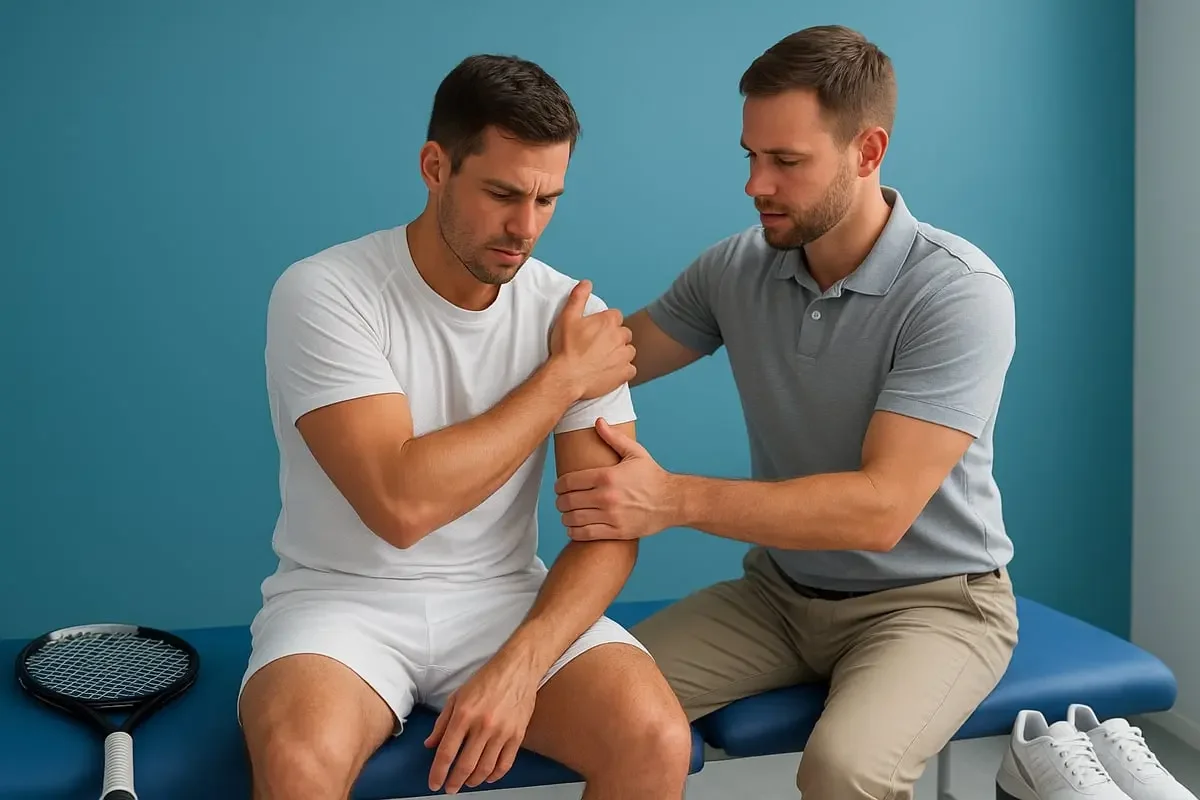
Prompt action is crucial when tennis injuries occur. Recognize warning signs like sharp pain, swelling, or limited movement. Stop playing immediately to prevent further harm.
The P.O.L.C.E. method remains the gold standard for acute care:
Protect: Immobilize if necessary, and limit unnecessary risk to the injury site.
Optimal Loading: Gradually increase load to strengthen injured tissues.
Ice: Apply cold packs in 15-20 minute intervals to reduce inflammation.
Compression: Use elastic bandages to control swelling.
Elevation: Raise the affected limb above heart level.
Monitor symptoms closely. If you notice severe swelling, numbness, or inability to bear weight, seek medical attention promptly. Early intervention can reduce recovery time for tennis injuries and limit complications.
Diagnosis and Medical Assessment
Not all tennis injuries are the same, so accurate diagnosis is vital. Sports medicine professionals use a combination of clinical evaluation and advanced imaging. Depending on the injury, you may require:
Ultrasound: To visualize soft tissue damage.
MRI: For detailed images of muscles, tendons, and ligaments.
X-ray: To rule out fractures.
Red flags include intense pain, joint instability, or visible deformity. If you experience these, consult a specialist immediately. Timely assessment ensures the right treatment and speeds up recovery from tennis injuries.
Rehabilitation Phases: From Acute to Return-to-Play
Rehabilitation for tennis injuries follows a structured, progressive approach. Each phase builds on the last, focusing on both physical healing and safe return to activity.
Early Phase: Begin with gentle movement and pain management. Protect the injury with braces or supports as needed.
Intermediate Phase: Introduce range-of-motion exercises and gradual loading. Restore flexibility, coordination, and strength.
Advanced Phase: Return to sport-specific drills and full strength training. Functional testing helps determine readiness for competitive play.
Progress only when pain-free and cleared by your healthcare team. Recovery timelines vary. For instance, moderate calf strains may require two to six weeks before returning to tennis.
Proper nutrition also supports tissue repair and energy. For more on this, see Nutrition and Recovery for Athletes. Combining rehabilitation with targeted nutrition can optimize healing and reduce recurrence of tennis injuries.
Preventing Re-Injury During Recovery
Preventing repeat tennis injuries demands vigilance. Watch for compensation patterns, such as limping or altered stroke mechanics. Secondary injuries often occur when players rush back too soon.
Gradually increase intensity and volume. Functional testing, like single-leg hops or strength benchmarks, confirms readiness. Psychological recovery matters too. Address fear of re-injury and build confidence through mental skills training.
Research shows athletes who skip steps in recovery are twice as likely to experience another injury. Listen to your body, follow your plan, and consult your care team to protect against recurring tennis injuries.
Rehabilitation and Professional Support: Modern Approaches
Recovering from tennis injuries is no longer a one-size-fits-all process. With advances in sports medicine, athletes now benefit from a team-based approach that blends traditional hands-on care with innovative therapies and cutting-edge technology. Understanding how these elements work together is crucial for anyone aiming to return to play quickly and safely.
Multidisciplinary Care: A Team Approach
Today, effective rehabilitation for tennis injuries starts with a multidisciplinary team. Physical therapists play a central role, guiding athletes through individualized exercise progressions and mobility work. Chiropractors help restore joint alignment and movement, while registered massage therapists address muscle tension and soft tissue restrictions.
Sports medicine physicians oversee the diagnostic process, ensuring that the right imaging and interventions are used when needed. This collaborative approach creates a seamless recovery experience, reducing downtime and preventing recurrence of tennis injuries.
Innovative Treatments: Beyond the Basics
Emerging therapies have transformed how we treat stubborn tennis injuries. Shockwave therapy, for example, is making a significant impact on chronic tendon pain and overuse syndromes. By stimulating cellular repair and reducing inflammation, this non-invasive treatment speeds up healing for conditions like tennis elbow and Achilles tendinopathy.
For a detailed look at how this technology is used, see Shockwave Therapy for Tendon Pain. Other advances, such as laser therapy and regenerative medicine, are also gaining ground, offering new hope for athletes facing persistent issues.
Integration: Manual and Exercise-Based Rehabilitation
Successful recovery from tennis injuries requires more than passive treatments. Manual therapy is most effective when paired with exercise-based rehabilitation. Therapists design programs that address flexibility, strength, and proprioception, ensuring the injured area regains full function.
This integrated model not only accelerates healing but also builds resilience, lowering the risk of repeat tennis injuries. Athletes are encouraged to stay active within their safe limits, using targeted drills and progressive loading strategies.
Practical Takeaways for Athletes
If you are dealing with tennis injuries, seek out a clinic that offers this modern, integrated approach. Look for providers who combine manual therapy, advanced modalities, and technology to deliver evidence-based care. Remember, early intervention, a tailored plan, and consistent communication with your rehab team are keys to a safe and successful return to the court.
Returning to Tennis: Safe Resumption and Long-Term Health
Resuming tennis after injury requires a thoughtful, evidence-based approach. Rushing back can lead to setbacks, while a structured return promotes confidence, performance, and long-term health. Here is how to navigate your path back to the court and keep tennis injuries at bay.
Graded Return-to-Play Protocols
A stepwise return-to-play protocol is essential for minimizing the risk of recurrent tennis injuries. Begin with low-impact rehab exercises, focusing on restoring mobility and baseline strength. Progress to light practice sessions, gradually increasing intensity and duration as your body adapts.
Functional testing is crucial before advancing to competitive play. Assess your strength, flexibility, and agility with sport-specific drills. Listen closely to your body; any pain or lingering symptoms signal the need for continued recovery. Coaches and trainers play a vital role, monitoring your movement quality and providing feedback throughout the process.
Long-Term Injury Prevention Habits
Building lifelong habits is the foundation of preventing tennis injuries. Maintain a regular strength and flexibility routine, emphasizing core stability, shoulder health, and lower body resilience. Incorporate balance and proprioception exercises to enhance joint protection.
Periodic technique reviews with a qualified coach help correct mechanical flaws that contribute to overuse. Schedule annual physical assessments and keep your equipment, especially shoes and racquets, in optimal condition. Mental skills training, such as visualization and stress management, also supports injury prevention.
For a comprehensive approach, consider integrating mobility training for injury prevention into your regimen. This addresses movement restrictions that can predispose athletes to tennis injuries and enhances overall performance.
Supporting Young and Aging Tennis Players
Tennis injuries affect all age groups, but risk factors and prevention strategies differ. Junior athletes need particular attention to growth plates, training volume, and adequate rest. Overloading can lead to chronic issues if not managed carefully.
Older adults benefit from adapting routines to prioritize joint health, flexibility, and gradual progressions. Regular check-ins with healthcare professionals help monitor for comorbidities and maintain safe participation. Community programs and support networks foster engagement and provide valuable resources for players at every stage.
A tailored approach ensures that both young and senior players can enjoy tennis safely while minimizing the occurrence of tennis injuries.
Whether you’re eager to get back on the court or aiming to prevent future setbacks, having expert support makes all the difference in your tennis journey. At Mountain Health and Performance, our experienced chiropractors and massage therapists are here to help you recover from injuries, improve your mobility, and optimize your performance with evidence-based care. We understand the unique demands tennis places on your body and can tailor a rehabilitation plan just for you. If you’re ready to invest in your health and enjoy pain-free play, take the next step and Book with one of our chiropractors today.