North Vancouver Rock Climbing Injury Prevention Guide
Rock climbing has seen a remarkable surge in popularity in recent years, drawing in new climbers and seasoned athletes alike. With this growth comes a renewed urgency for rock climbing injury prevention, as more participants face increased risk on the wall and outdoors.
The sport offers exceptional physical and mental rewards, yet injuries can sideline even the most experienced climbers. Staying safe is not just about skill, but about using proven strategies that help prevent setbacks.
This guide delivers the most up-to-date, comprehensive rock climbing injury prevention advice. You will learn how to recognize common injuries, understand risk factors, master warm-up routines, build strength, choose the right gear, and access expert resources. Make safety your top priority and climb with confidence.
Understanding Rock Climbing Injuries
Rock climbing injury prevention has never been more crucial as the sport continues to attract new participants. Whether you climb indoors or outdoors, understanding the evolving landscape of injuries is the first step to staying safe and strong.
Most Common Rock Climbing Injuries
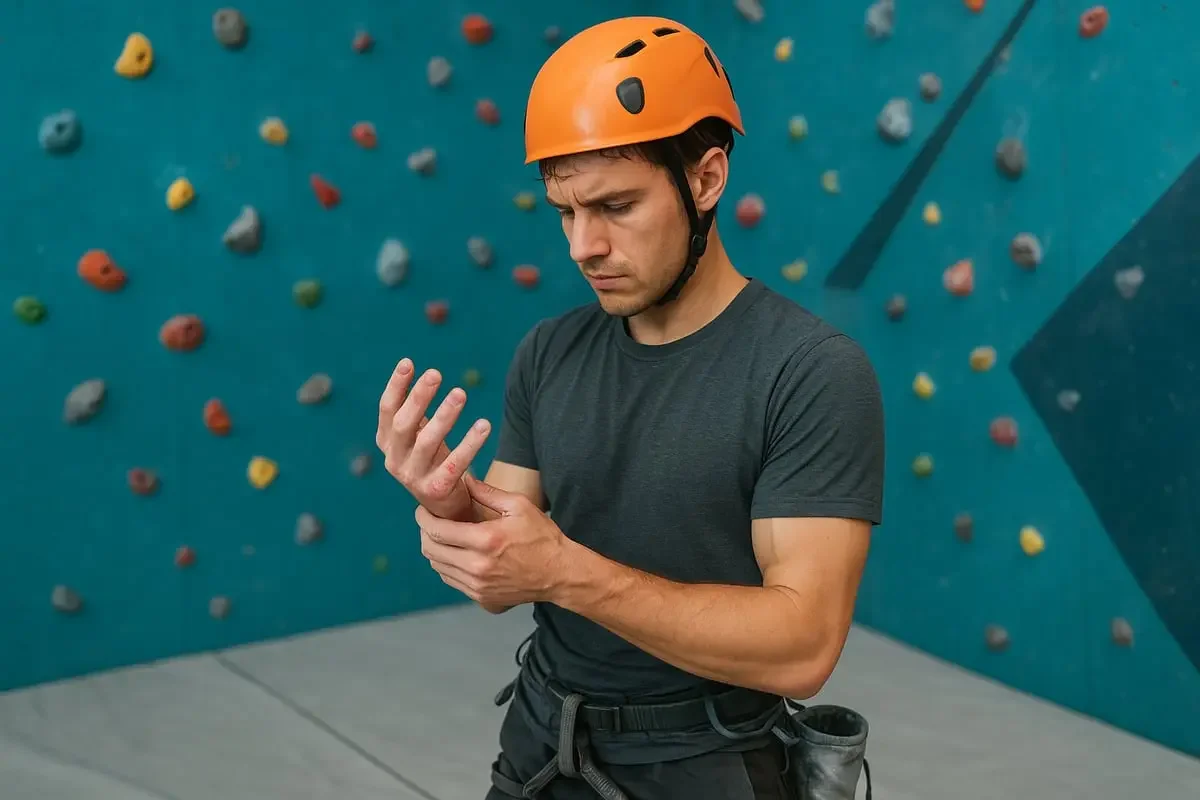
Climbers face a familiar set of injuries, but the distribution is shifting as climbing styles evolve. The most frequent issues include:
Finger pulley strains and tears
Tendonitis, especially affecting the fingers and elbows
Shoulder impingement and rotator cuff strains
Medial and lateral epicondylitis (commonly known as “climber’s elbow”)
Ankle sprains from awkward landings
Recent studies reveal that up to 40% of all climbing-related injuries involve the fingers, underscoring the importance of targeted rock climbing injury prevention strategies.
Here’s a quick comparison of injury types:
Injury Type / Examples / Causes
Soft Tissue / Tendonitis, sprains / Repetitive use
Acute Trauma / Pulley tears, ankle sprains / Falls, sudden stress
Chronic overuse injuries, like tendonitis, often result from repetitive training, while acute trauma can stem from a single fall or dynamic move.
Injury Trends and New Challenges
The landscape of climbing injuries is changing. Indoor bouldering’s popularity has surged, leading to a spike in upper extremity injuries among both new and experienced athletes. Younger climbers and older adults are entering the sport in record numbers, each facing unique risks. Youth may lack body awareness and older adults may have decreased joint and soft tissue resilience.
Recent research, such as Analyzing injury patterns in climbing: A comprehensive study of risk factors, highlights how the type of climbing discipline and individual experience level affect injury incidence. This reinforces the need for climbers to adapt their rock climbing injury prevention approach as the sport evolves.
Staying informed about these trends, and being proactive with rock climbing injury prevention, allows every climber to enjoy the rewards of the sport while minimizing setbacks.
Key Risk Factors for Climbing Injuries
Understanding the main risk factors is crucial for effective rock climbing injury prevention. Whether you are new to climbing or pushing your limits, recognizing these hazards can help you stay safe and perform at your best.
Physical and Technique-Related Risks
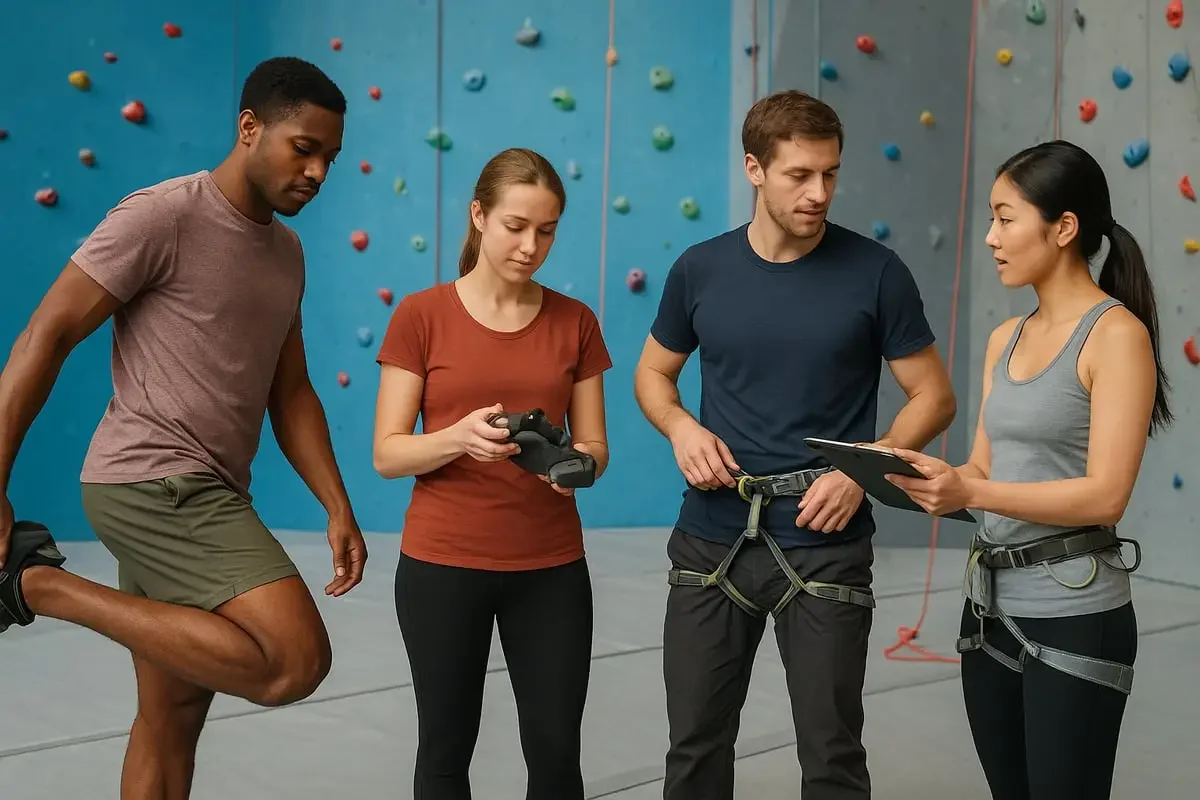
Many climbing injuries stem from physical and technique-related issues. Skipping proper warm-ups or cool-downs leaves muscles and tendons vulnerable to strains and tears. Faulty climbing form, such as over-gripping holds, making uncontrolled dynamic moves, or neglecting precise footwork, increases the chance of both acute and chronic injuries.
Muscle imbalances are another hidden danger. Overdeveloped pulling muscles, combined with weak antagonist or stabilizing muscles, can lead to tendonitis and shoulder pain. Fatigue and overtraining are widespread issues in the climbing community. Research indicates that climbers who neglect rest and recovery experience a significantly higher rate of injuries.
If you want a deeper dive into science-backed guidance, this systematic review identifies key risk factors and effective prevention strategies for overuse injuries in adult climbers, offering practical insights to improve rock climbing injury prevention.
Environmental and Equipment Risks
Environmental and equipment-related hazards are equally important in rock climbing injury prevention. Slippery or poorly cleaned holds can cause unexpected slips, while improperly placed mats may not provide adequate protection during falls. Worn-out shoes reduce grip and stability, raising the risk of foot and ankle injuries.
Harness fit and belay device misuse present significant dangers. A loose or twisted harness can compromise safety during a fall. Incorrect use of belay devices increases the risk of belayer error, which may result in serious incidents. Outdoor climbing introduces additional challenges, such as loose rock and sudden weather changes.
Being vigilant about equipment condition and environmental factors is essential. Regularly checking your gear and adapting to different climbing settings helps maintain a strong rock climbing injury prevention routine.
Personal and Psychological Factors
Personal attitudes and psychological patterns can also undermine rock climbing injury prevention efforts. Climbers sometimes let ego drive their decisions, pushing grades too quickly or attempting moves they are not ready for. This impatience often results in preventable injuries.
Neglecting adequate rest or skipping recovery days can compound physical stress, making climbers more susceptible to both overuse and acute injuries. Ignoring early signs of pain, discomfort, or fatigue is a common mistake. Addressing minor issues early prevents them from becoming serious setbacks.
Prioritizing self-awareness, maintaining a balanced training plan, and listening to your body are foundational to rock climbing injury prevention. By integrating these habits, climbers can enjoy the sport longer and with fewer interruptions.
The Essential Rock Climbing Injury Prevention Warm-Up
A solid warm-up is the cornerstone of rock climbing injury prevention. As climbing evolves, the importance of preparing your body before every session cannot be overstated. A proper warm-up not only primes muscles and joints but also sharpens mental focus, reducing the likelihood of both acute and overuse injuries. With the right strategy, climbers at any level can climb stronger and safer, session after session.

Why Warming Up Matters
Warming up is essential for every climber aiming to maximize performance and minimize risk. A comprehensive routine elevates heart rate, increases blood flow, and boosts muscle temperature, all of which prepare the body for the demands of climbing. This approach supports flexibility and joint mobility, making it a critical step for rock climbing injury prevention.
Research shows that a structured warm-up can reduce injury rates by up to 28%. By preparing tendons and muscles for explosive and repetitive movements, climbers can avoid common setbacks like strains or tears. In addition, warming up supports mental readiness, allowing climbers to focus on technique and decision-making from the very first move.
Whether you are bouldering indoors or tackling outdoor routes, the physiological benefits of a thorough warm-up remain the same. Prioritizing this step is a simple yet powerful way to stay healthy and climb confidently.
Step-by-Step Warm-Up Routine
For effective rock climbing injury prevention, follow this five-part warm-up routine before every session:
Aerobic Activation (5–10 minutes)
Brisk walking, light jogging, or jumping jacks.
Aim for a light sweat or reaching about 50% of your max heart rate.
Dynamic Stretching (5–10 minutes)
Perform arm circles, leg swings, and torso rotations.
Focus on movements that mimic climbing motions to activate key muscle groups.
Mobility Drills
Incorporate dynamic wrist rolls, deep squats, and scapular push-ups.
For detailed guidance, see this Mobility training for injury prevention resource.
Stability and Activation
Engage the core with planks, dead bugs, and glute bridges.
Activate antagonist muscles using band pull-aparts and external rotations.
Progressive Climbing Warm-Up
Start with easy routes or boulders, gradually increasing the difficulty.
Emphasize smooth, controlled movement and refined technique.
Integrating these steps into your routine will enhance performance and resilience, making rock climbing injury prevention part of your climbing culture.
Common Warm-Up Mistakes to Avoid
Mistakes during warm-up can undermine your efforts and increase injury risk. Avoid these common pitfalls:
Skipping dynamic stretching and relying solely on static stretches before climbing.
Rushing through aerobic activation or neglecting it altogether.
Overlooking wrists and fingers, which are especially vulnerable in climbing.
Mistake / Risk Increased / Prevention Tip
Static stretching only / Reduced power, higher strain / Use dynamic stretches pre-climb
Ignoring wrists/fingers / Higher chance of tendon injury / Add wrist rolls, finger movements
Skipping aerobic activation / Lowered body readiness / Start with 5–10 min light cardio
Every climber benefits from self-awareness and attention to these details. Making rock climbing injury prevention a habit starts with recognizing and correcting these missteps before they become costly.
Building Strength and Mobility for Injury Prevention
Building a foundation of strength and mobility is essential for rock climbing injury prevention. A well-designed routine not only boosts performance, but also helps climbers avoid common strains, overuse injuries, and setbacks that could interrupt their progress.
Foundational Strength Exercises for Climbers
Effective rock climbing injury prevention starts with strengthening the muscles most used during climbing. Pull-ups, push-ups, and fingerboard routines are staples for building upper body and grip strength. Do not neglect antagonist muscle training, such as reverse flies and push exercises, to balance out the demands on your body.
A balanced approach includes lower body moves like squats and lunges, which support stability and footwork. Core stability is a must. Planks, hollow body holds, and rotational movements help protect your spine and improve body tension on the wall.
Prioritize quality over quantity in each exercise.
Progressively increase difficulty as your strength improves.
Incorporate climbing-specific drills at least twice a week.
Mobility and Flexibility Routines
Mobility is as crucial as strength for rock climbing injury prevention. Dynamic stretching before your session, like arm circles, leg swings, and wrist rolls, prepares joints and muscles for the range of motion required in climbing.
After climbing, static stretching helps maintain flexibility and promotes recovery. Focus on key areas: shoulders, hips, ankles, wrists, and fingers. Use foam rolling or massage to address tight spots and enhance mobility.
Dynamic stretching: always before climbing.
Static stretching: only after climbing.
Pay attention to any areas of persistent stiffness.
Recovery and Rest Strategies
Adequate recovery is a key pillar of rock climbing injury prevention. Sleep, hydration, and nutrition all contribute to tissue repair and muscle growth. Active recovery methods, such as yoga, foam rolling, and gentle mobility work, can reduce soreness and prevent overuse injuries.
Recognize signs of overtraining, such as lingering fatigue, irritability, or declining performance. Take scheduled rest days and listen to your body. Nutrition plays a significant role in recovery. Prioritize protein, healthy fats, and micronutrients to support healing.
Rest is not a setback, but a necessary part of progress.
Hydrate before, during, and after each session.
Address minor aches early to prevent bigger issues.
Injury Prevention Programs and Professional Support
Structured prehab and rehab programs are a cornerstone of rock climbing injury prevention, especially for those with prior injuries or chronic discomfort. Tailored routines can address muscle imbalances, technique flaws, and flexibility deficits before they become problematic.
Seeking guidance from professionals ensures your program is effective and safe. For proactive strategies and specific exercise ideas, see this guide on prehab injury prevention strategies.
Consult an expert if pain persists beyond a few days.
Regularly update your program as your climbing level advances.
Preventive care is always more effective than reactive treatment.
Choosing the Right Gear and Safety Practices
Selecting the right equipment and following safety protocols are essential steps for effective rock climbing injury prevention. The right gear not only boosts performance but also acts as your first defense against common climbing injuries. Every climber, from beginner to advanced, should prioritize both equipment quality and regular safety checks.
Footwear, Harnesses, and Protection Devices
Proper shoe fit is critical for rock climbing injury prevention. Shoes that are too loose can cause slips, while overly tight shoes may lead to foot pain or chronic issues. Always inspect your shoes for wear, especially on the sole and toe box.
A well-fitted harness is equally important. Look for comfort, secure buckles, and a snug fit around the waist and legs. Before each climb, double-check harness integrity and ensure all gear loops are intact. Helmets, pads, and crash mats provide crucial protection, particularly for bouldering and outdoor routes.
Belaying and Spotting Best Practices
Attentive belaying is fundamental to rock climbing injury prevention. Always use the correct belay device and check the rope threading before leaving the ground. Communicate clearly with your partner using standardized commands.
For bouldering, effective spotting involves proper hand placement and awareness of fall zones. Make sure crash mats are positioned correctly and that all climbers understand the plan in case of a fall. Consistent safety habits reduce the risk of both acute and overuse injuries.
Climbing Environment and Route Assessment
Assessing your climbing environment is a cornerstone of rock climbing injury prevention. Always inspect for loose holds, wet spots, and any surface hazards before starting a route. Adapt your approach based on whether you are climbing indoors or outdoors.
Environmental factors, like weather changes or new wall materials, can influence safety. Utilizing technology, such as climbing apps and wearable sensors, can help with route planning and hazard identification. For a deeper understanding of injury risks in indoor bouldering, review the Prevalence and risk factors of upper extremity injuries in indoor bouldering, which highlights the importance of targeted prevention strategies.
Regular Equipment Maintenance
Routine maintenance is essential for long-term rock climbing injury prevention. Inspect ropes, carabiners, and all gear for signs of fraying, cracks, or deformation. Replace any equipment that shows damage or excessive wear.
Keep a checklist to track gear inspections and retire items that no longer meet safety standards. Regular maintenance not only extends the lifespan of your equipment but also ensures every climb starts with reliable protection.
When to Seek Professional Help for Climbing Injuries
Knowing when to seek professional help is a vital part of rock climbing injury prevention. Many climbers try to push through discomfort, but ignoring symptoms can lead to long-term setbacks. Early recognition and timely intervention are key to a safe and sustained climbing journey.
Recognizing Serious Injury Signs
Certain symptoms signal the need for immediate medical attention. Watch for:
Persistent or worsening pain after climbing sessions
Swelling, numbness, tingling, or loss of movement
Inability to bear weight, joint instability, or severe bruising
If any of these occur, do not delay seeking care. Overuse injuries are common in climbers and knowing when to act is critical. For more insight, review Recovering from overuse injuries to understand when rest is not enough and how rock climbing injury prevention can play a role in recovery.
The Role of Healthcare Professionals in Recovery
Prompt evaluation by a healthcare provider ensures accurate diagnosis and a tailored recovery plan. Early intervention can minimize downtime and reduce the risk of chronic problems. Professional guidance is especially important for complex or recurring injuries.
Rehabilitation programs designed for climbers address both physical and functional needs. These programs are an integral part of rock climbing injury prevention, helping athletes return to the wall with confidence and reduced risk of re-injury.
Mountain Health and Performance: Expert Sports Injury Care
Mountain Health and Performance in North Vancouver is dedicated to rock climbing injury prevention and recovery. Their team offers specialized chiropractic care, massage therapy, and rehabilitation, all tailored to the needs of climbers.
With over 35 years of experience, they provide evidence-based, personalized treatment plans. Direct billing, modern facilities, and a multidisciplinary approach ensure every climber receives comprehensive support for optimal recovery and performance.
Prevention Is Better Than Cure: Proactive Steps
Regular check-ups, even when uninjured, are essential for long-term health. A proactive approach helps identify subtle imbalances before they become major issues. Expert advice can uncover weaknesses or habits that may lead to injury.
Integrating rock climbing injury prevention strategies into your routine is the smartest path to staying strong, safe, and ready for your next climb.
Taking proactive steps is the key to staying strong and injury free as you pursue your climbing goals. We’ve covered the essential warm ups, strength routines, and safety tips that will help you climb with confidence, but sometimes your body needs a little extra support. If you’re feeling tightness, soreness, or want to keep those muscles in top condition, a professional massage can make a real difference in your recovery and performance. Prioritize your well being and keep climbing at your best—Book with one of our practitioners today.