Complete Guide to Tennis Elbow Treatment
By 2026, millions of adults and workers will face the challenges of tennis elbow, making it one of the most common musculoskeletal concerns worldwide. Fortunately, advancements in tennis elbow treatment are transforming recovery times and long-term outcomes for those affected.
This comprehensive guide is designed to help you understand, manage, and overcome tennis elbow with the latest evidence-based solutions. Inside, you will find clear explanations of what tennis elbow is, why it develops, how it is diagnosed, the full spectrum of modern treatment options, practical home care strategies, and proven ways to prevent recurrence.
If you are ready to take charge of your recovery, follow this guide for expert-backed advice and actionable steps toward lasting relief.
Understanding Tennis Elbow
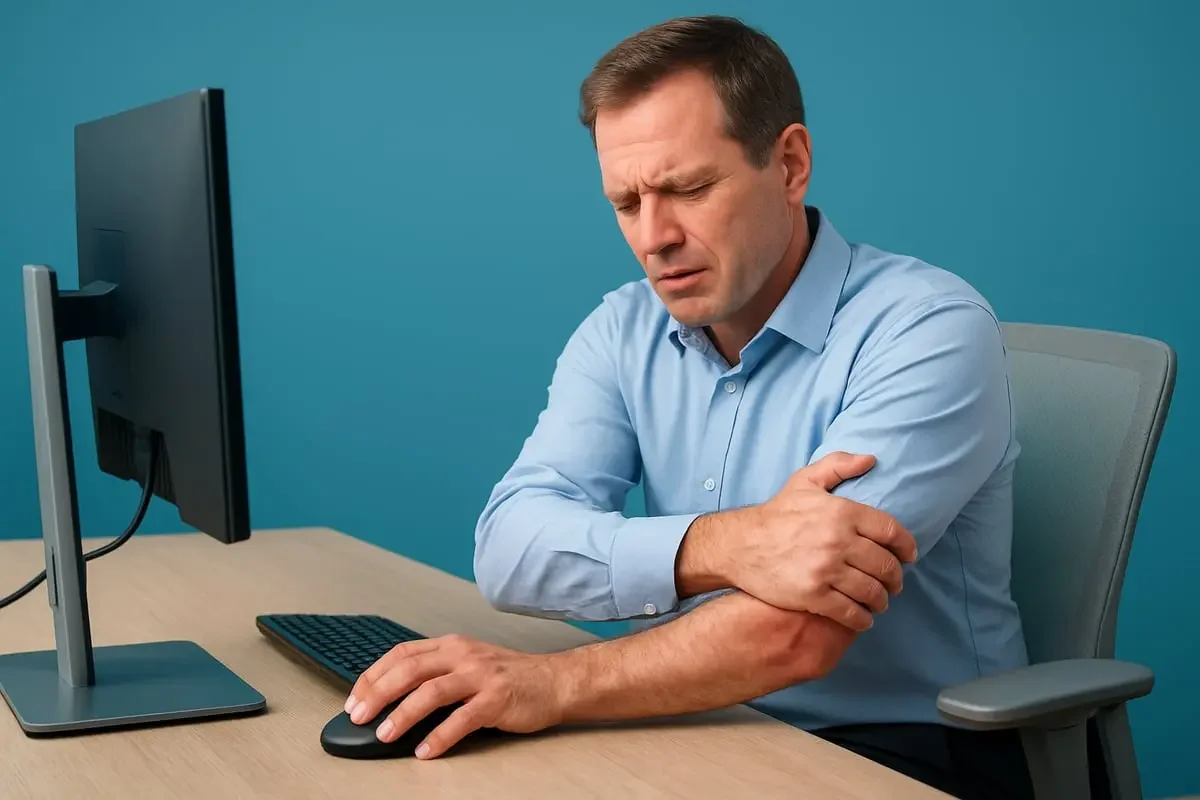
Tennis elbow, medically known as lateral epicondylitis, is far more than a sports injury. This condition involves inflammation and microtearing of the tendons that attach to the outer part of the elbow, especially the extensor carpi radialis brevis. With millions affected worldwide, tennis elbow treatment has become a key focus for both healthcare providers and active adults striving to maintain function and quality of life.
What Is Tennis Elbow?
Tennis elbow is a type of tendinopathy characterized by pain and tenderness on the outside of the elbow. Despite its name, fewer than 10% of cases are linked to racket sports. The condition is increasingly recognized among people who perform repetitive arm motions, such as computer users, tradespeople, and manual laborers. As a result, tennis elbow treatment is essential for a broad demographic, not just athletes.
Who Is at Risk?
Current research shows that over 90% of tennis elbow cases arise from activities unrelated to tennis. According to a recent prevalence and risk factors of tennis elbow review, individuals over 40, those who smoke, and people with obesity are particularly susceptible. Occupations involving repetitive wrist extension, such as carpentry, plumbing, or prolonged computer work, are high risk. Genetics and improper technique can further increase vulnerability, making prevention and early tennis elbow treatment critical.
Common risk factors include:
Age over 40
Repetitive arm or wrist movements
Certain jobs (e.g., trades, office work)
Obesity and smoking
Poor equipment or technique
Symptoms and How It Differs
Tennis elbow typically presents with outer elbow pain that worsens with gripping or lifting. Stiffness in the morning, swelling, and weakness in hand grip are also common. The pain may radiate down the forearm toward the wrist, making daily tasks challenging.
It is important to distinguish tennis elbow from golfer’s elbow, which affects the inside of the elbow, and from nerve compression syndromes. Tennis elbow treatment focuses on the lateral (outer) elbow, whereas other conditions require different approaches.
Key symptoms:
Pain outside the elbow
Grip weakness
Stiffness and swelling
Radiating pain toward the wrist
Why Early Tennis Elbow Treatment Matters
If left untreated, tennis elbow can progress to chronic pain and in rare cases, even tendon rupture. This may result in marked decrease in arm function and difficulty performing routine tasks. For instance, an office worker who ignores persistent elbow discomfort may develop symptoms that interfere with typing, lifting objects, or shaking hands. Timely tennis elbow treatment is essential to prevent long-term complications and restore full mobility.
Causes and Risk Factors: Why Tennis Elbow Happens
Tennis elbow is not limited to athletes. In fact, the majority of cases have nothing to do with playing tennis. The root cause is repetitive strain on the tendons in your forearm, particularly where they attach to the outer part of the elbow. This ongoing stress gradually leads to small tears and degeneration in the tendon, starting a cycle of pain and inflammation that requires prompt tennis elbow treatment.
What Causes Tennis Elbow?
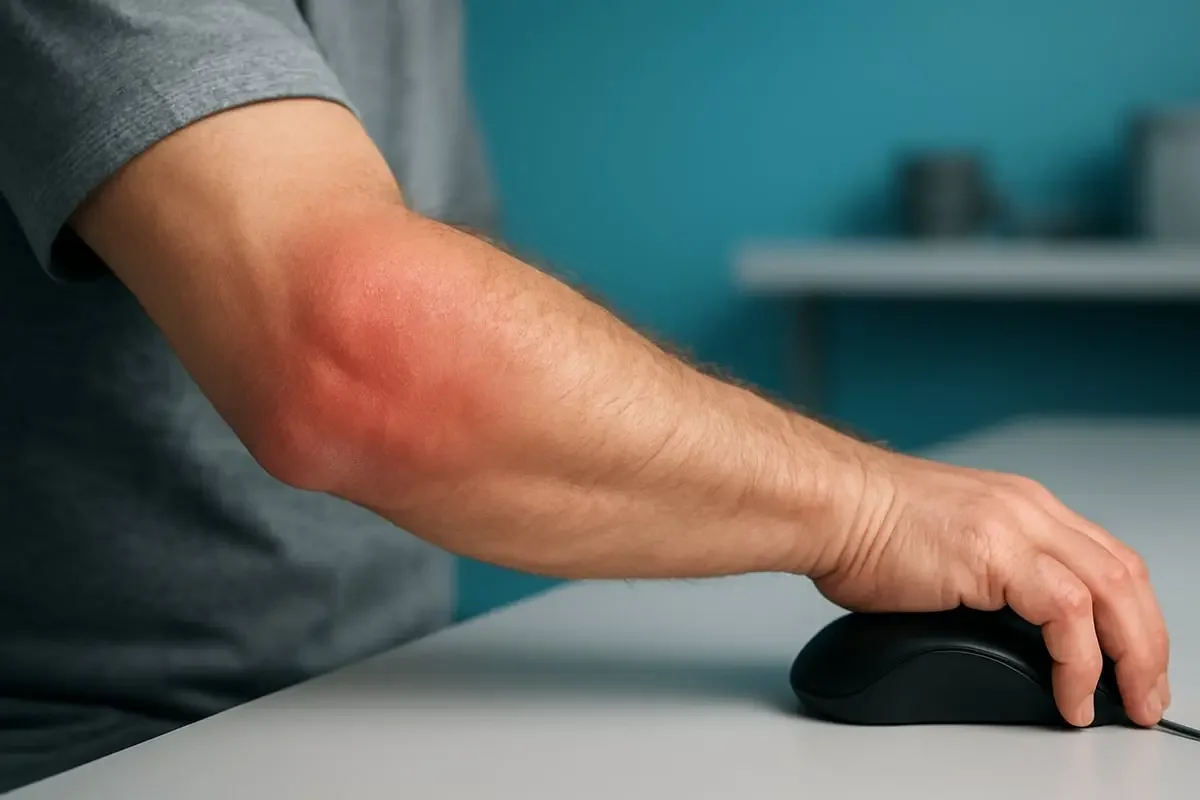
The primary trigger for tennis elbow is repetitive overuse of the wrist and forearm muscles. When these muscles are engaged in the same motion repeatedly, microscopic tears can develop in the extensor carpi radialis brevis tendon. Over time, the body's ability to repair these tears is outpaced by continued strain, leading to chronic tendon degeneration. This is why early and appropriate tennis elbow treatment is vital to prevent worsening symptoms.
Common Activities and Motions
You do not need to play racquet sports to develop this condition. Common activities include manual labor like carpentry, plumbing, or painting, as well as frequent computer use or even repetitive tool operation. Everyday tasks such as lifting objects, typing, or gardening can also contribute when performed over long periods. For more on how to manage and recover from these types of injuries, see Recovering from overuse injuries. The right tennis elbow treatment often involves modifying these activities to protect the tendon.
Risk Factors and Occupational Hazards
Certain factors increase the risk of developing tennis elbow. Individuals over 40 are particularly susceptible, as tendons become less resilient with age. Other risk factors include obesity, smoking, and a genetic predisposition to tendon problems. Occupations that require repetitive arm and wrist movements, such as electricians, chefs, and office workers, report higher incidence rates. Improper technique or using poorly designed equipment can further elevate the risk, making targeted tennis elbow treatment and prevention strategies essential.
Real-World Example and Prevention Insights
Consider the case of an office worker who spends hours each day typing and using a mouse. Over months, subtle pain develops on the outer elbow, eventually making it difficult to grip objects or shake hands. This scenario is increasingly common in today's workforce. Recognizing the early signs and seeking tennis elbow treatment promptly can prevent chronic pain and long-term disability. Adjusting daily routines, improving ergonomics, and addressing risk factors play a crucial role in both recovery and prevention.
Diagnosis: How Tennis Elbow Is Identified
Identifying tennis elbow is more precise and patient-focused than ever before. Accurate diagnosis is the foundation of effective tennis elbow treatment, ensuring the right interventions are chosen early and unnecessary delays are avoided. As the prevalence of this condition rises, clinicians use a combination of traditional and cutting-edge methods to pinpoint the cause of elbow pain and guide personalized recovery plans.
How Is Tennis Elbow Diagnosed?
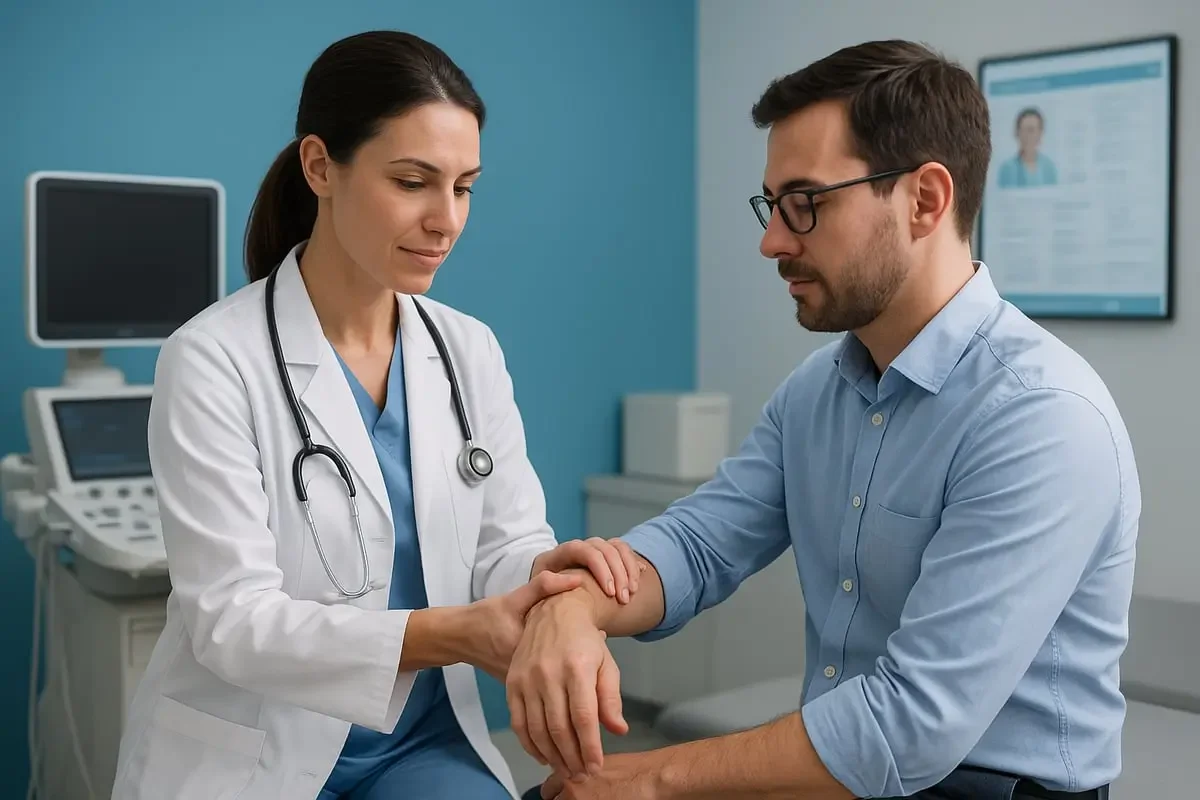
Diagnosis begins with a thorough review of the patient’s medical history and a discussion of symptoms. Clinicians ask about the onset, duration, and nature of elbow pain, as well as daily activities and any previous injuries. This information helps determine if tennis elbow treatment is appropriate or if another condition might be present.
A detailed physical examination follows, focusing on the outer elbow. The healthcare provider checks for tenderness, swelling, and areas of pain. They may ask the patient to perform movements that reproduce symptoms, such as gripping an object or extending the wrist against resistance. This hands-on approach often reveals classic signs of tennis elbow and helps rule out other causes.
Clinical Assessment: The First Step
Several clinical tests are used to confirm the diagnosis. Palpation of the lateral epicondyle, resistance testing of the wrist and fingers, and assessment of grip strength are standard. Range of motion is evaluated to ensure the joint moves freely, and any weakness or stiffness is noted.
These simple tests are highly effective in most cases. In fact, over 90 percent of tennis elbow diagnoses rely on clinical examination alone. This efficiency allows for quicker initiation of tennis elbow treatment, reducing the risk of complications from delayed care.
Imaging and Advanced Diagnostic Tools
Advanced imaging is reserved for cases where symptoms persist, are severe, or do not fit the typical pattern. X-rays can help rule out arthritis or bone injury. Ultrasound and MRI provide detailed images of the affected tendons, revealing microtears or degeneration that may not be visible otherwise. In rare cases, electromyography (EMG) is used to evaluate nerve involvement.
For more detailed information on both clinical and imaging approaches, see the comprehensive guide on tennis elbow diagnosis and treatment.
Differentiating Tennis Elbow: A Closer Look
It is essential to distinguish tennis elbow from similar conditions, such as golfer’s elbow or nerve entrapments. The location of pain, pattern of symptoms, and clinical findings all contribute to a confident diagnosis.
Prompt diagnosis is key to successful recovery. By combining clinical expertise with advanced technology, healthcare providers are able to deliver truly individualized tennis elbow treatment for every patient.
Comprehensive Treatment Options for Tennis Elbow
When it comes to tennis elbow treatment, a comprehensive approach is essential. The right plan depends on severity, duration, and individual needs. Below, we break down the most effective strategies available, from self-care to advanced medical interventions.
Conservative & Home-Based Treatments
For most people, tennis elbow treatment begins at home. Conservative strategies are often highly effective in the early stages.
POLICE Method
Protect: Pull back from aggravating activities in the short-term.
Optimal Loading: Incrementally increase load/stress to the area, as well as early range of motion within tolerance.
Ice: Apply ice packs for 15-20 minutes every few hours to reduce swelling.
Compression: Use an elastic bandage or elbow sleeve to provide gentle support.
Elevation: Keep the arm elevated to minimize inflammation.
Medications for Pain Relief
Nonsteroidal anti-inflammatory drugs (NSAIDs) like ibuprofen or naproxen help ease discomfort.
Acetaminophen is an alternative for those who cannot take NSAIDs.
Always follow recommended dosages and consult your healthcare provider if unsure.
These medications should be used sparingly, as there are side effects with long-term use. NSAIDs in particular are reported to have a detrimental effect on tendon healing.
Bracing and Splints
Counterforce braces and wrist splints, or elbow straps can decrease strain on the affected tendon.
Wearing a brace during aggravating activities provides targeted support.
Proper fit and usage are key for effectiveness.
Activity Modification and Ergonomics
Identify and avoid repetitive tasks that worsen symptoms.
Adjust your workstation to promote neutral wrist and elbow positions.
Use ergonomic tools to reduce stress on the forearm.
Home Exercise and Stretching Routines
Gentle stretches for the forearm muscles improve flexibility.
Strengthening exercises, such as wrist extensions and grip squeezes, boost tendon resilience.
Start with low resistance and gradually increase as tolerated.
Self-Monitoring
Track pain levels and activity to identify triggers.
Gradual improvement is expected with consistent care.
Studies show that most cases of tennis elbow treatment resolve within 6 to 12 months using conservative measures. Patience and adherence are vital for recovery.
Professional Therapies and Interventions
If symptoms persist, professional therapies offer a range of advanced tennis elbow treatment options. These interventions are tailored to address underlying tendon issues and speed healing.
Physical Therapy and Chiropractic Care
Guided exercises focus on strengthening the forearm and improving flexibility.
Manual therapy techniques, such as soft tissue mobilization, can break up scar tissue.
Modalities like ultrasound or electrical stimulation support tissue repair.
Occupational and Hand Therapy
Therapists teach adaptive techniques to protect the elbow during daily tasks.
Task retraining helps patients return to work or sports safely.
Customized splints or taping may be used for additional support.
Shockwave Therapy
Delivers high-energy sound waves to the affected tendon, stimulating blood flow and tissue regeneration.
Research supports its effectiveness for chronic cases.
For more information, explore shockwave therapy for tendon pain.
Platelet-Rich Plasma (PRP) Injections
PRP uses a concentration of your own platelets to promote healing in damaged tendons.
Evidence suggests improvement in pain and function for stubborn cases of tennis elbow treatment.
Corticosteroid Injections
Short-term pain relief and decreased inflammation.
Typically reserved for severe symptoms or when other therapies have failed.
Repeated injections are avoided due to potential side effects.
Dry Needling and Prolotherapy
Dry needling targets trigger points to relieve pain and improve mobility.
Prolotherapy injects irritants to stimulate the body's natural healing response.
Ongoing research continues to clarify best practices for these techniques.
Success Story
Consider the case of a tradesperson who struggled with persistent elbow pain. After a multimodal tennis elbow treatment plan—combining physical therapy, chiropractic and shockwave therapy —they returned to work with restored function and minimal discomfort.
Surgical and Advanced Procedures
Surgery is considered when tennis elbow treatment has failed after 6 to 12 months of conservative and professional therapies.
Indications for Surgery
Persistent pain and functional loss despite exhaustive non-surgical care.
Significant tendon degeneration or partial rupture identified by imaging.
Tennis Elbow Treatment at Mountain Health and Performance
Mountain Health and Performance in North Vancouver delivers specialized tennis elbow treatment with a multidisciplinary approach. Their team includes chiropractors, registered massage therapists, and shockwave therapy experts, all focused on musculoskeletal recovery.
With over 35 years of experience in sports injury management, they offer evidence-based, patient-centered rehabilitation plans. The clinic supports direct billing, ICBC, and WorkSafe BC claims, making access easy for local residents. For those seeking comprehensive tennis elbow treatment, Mountain Health and Performance provides trusted care in a convenient Vancouver-area location.
Lifestyle Modifications and Home Care Strategies
Effectively managing tennis elbow treatment requires thoughtful adjustments to daily routines and environments. Lifestyle changes play a crucial role in reducing pain, improving healing, and preventing future flare-ups. Let’s explore actionable strategies for supporting your recovery at home.
Activity Pacing and Ergonomic Adjustments
Returning to daily activities gradually is vital for sustainable tennis elbow treatment. Start by identifying movements or tasks that worsen symptoms and modify them as needed. Take frequent breaks, alternate hand use, and split repetitive work into shorter sessions.
Setting up your workstation with an ergonomic keyboard, mouse, and adjustable chair can reduce strain on the forearm. Ensure your elbows are at a 90-degree angle and wrists remain in a neutral position. Small changes, such as using lighter tools or cushioned grips, can significantly minimize stress on affected tendons.
Safe Exercise Routines and Nutrition
Incorporate gentle stretching and strengthening exercises designed specifically for the forearm and wrist. These routines help restore flexibility and support the healing process in tennis elbow treatment. Focus on slow, controlled movements to avoid aggravating the injury.
Nutrition also plays a role in tendon recovery. Emphasize foods rich in vitamin C, collagen, and omega-3 fatty acids to support tissue repair. Stay hydrated throughout the day, as adequate fluid intake helps maintain tendon elasticity and overall joint health.
Assistive Devices and Self-Monitoring
Wearing a forearm brace or elbow strap during activities can reduce load on the affected tendon. Use these devices as recommended by your healthcare provider, especially during tasks that trigger discomfort. For additional comfort and symptom relief, consider incorporating arm massage for pain relief into your routine. Gentle massage can help decrease muscle tension and promote circulation.
Keep a daily log of symptoms, noting any patterns or changes. This self-monitoring approach allows you to adjust activities proactively and recognize early signs of overuse during tennis elbow treatment.
Real-Life Adjustments and Recurrence Risk
Imagine an office worker who modifies their desk, uses a supportive brace, and follows a structured exercise plan. By integrating these strategies, they can gradually return to full function while minimizing setbacks. Consistent lifestyle modifications, such as those detailed above, have been shown to reduce the risk of recurrence by up to 30 percent.
For ongoing guidance on preventing reinjury and optimizing your tennis elbow treatment, explore resources like Preventing tennis injuries. Proactive changes today lay the foundation for lasting recovery and better long-term elbow health.
Preventing Tennis Elbow Recurrence
Preventing a return of symptoms is just as important as effective tennis elbow treatment. Even after successful recovery, the risk of recurrence remains high without the right strategies. By understanding the common triggers and being proactive, you can protect your elbow health for the long term.
Mastering Technique and Ergonomics
Proper technique is essential, whether you play sports or perform repetitive tasks at work. Poor form places unnecessary stress on the tendons, increasing the risk of injury even after tennis elbow treatment. Invest time in professional coaching for sports or ergonomic training for your occupation. This includes learning the right grip, wrist position, and movement patterns.
Use ergonomically designed tools and sports equipment
Adjust your workstation for optimal posture and arm support
Schedule frequent breaks to reduce repetitive strain
Upgrading to equipment that fits your body and task can reduce force on the elbow by up to 30 percent. Small changes, like cushioned grips or adjustable chairs, make a significant difference. According to epidemiological studies, attention to ergonomics and technique can lower recurrence rates dramatically.
Exercise, Flexibility, and Early Action
Consistent stretching and strengthening routines are vital after tennis elbow treatment. Focus on the forearm, wrist, and hand muscles. These exercises support tendon resilience and help absorb daily stresses.
Perform daily wrist extensor stretches and grip strengthening exercises
Warm up before activities and cool down afterward
Monitor for early warning signs, such as mild discomfort or stiffness
If symptoms reappear, act quickly. Reduce activity, apply ice, and consult a healthcare professional. Early intervention prevents minor irritation from progressing to another full-blown episode.
Now that you have a clear understanding of tennis elbow and the most effective treatments, it’s important to choose therapies that deliver real, lasting relief. At Mountain Health and Performance, our experienced team specializes in advanced modalities like shockwave therapy, which is backed by strong clinical evidence for treating stubborn cases of tennis elbow. If you’re ready to take the next step toward recovery with a personalized, evidence-based approach, you can easily Book your shockwave session today. Your journey to pain-free movement and stronger performance starts here.