RMT Massage Versus Non-Registered Massage: Which Is Best for You in 2026?
In 2026, the choice between RMT massage and non-registered treatments is more important than ever. With Mountain Health and Performance leading the way in clinical excellence, understanding the differences can help you achieve lasting relief rather than just a fleeting sense of relaxation.
Many people are unsure about which massage therapy suits their needs best. This article will guide you through the distinctions, benefits, and practical considerations, focusing on how RMT massage at Mountain Health and Performance stands apart. Ready to discover the best option for your health and wellness goals? Let’s dive in.
Understanding RMT Massage: Definition, Training, and Approach
At Mountain Health and Performance, RMT massage is more than just a relaxing experience. It is a clinical service delivered by highly trained professionals who focus on your long-term health and recovery. Understanding what sets this approach apart can help you make the best decision for your wellness journey.
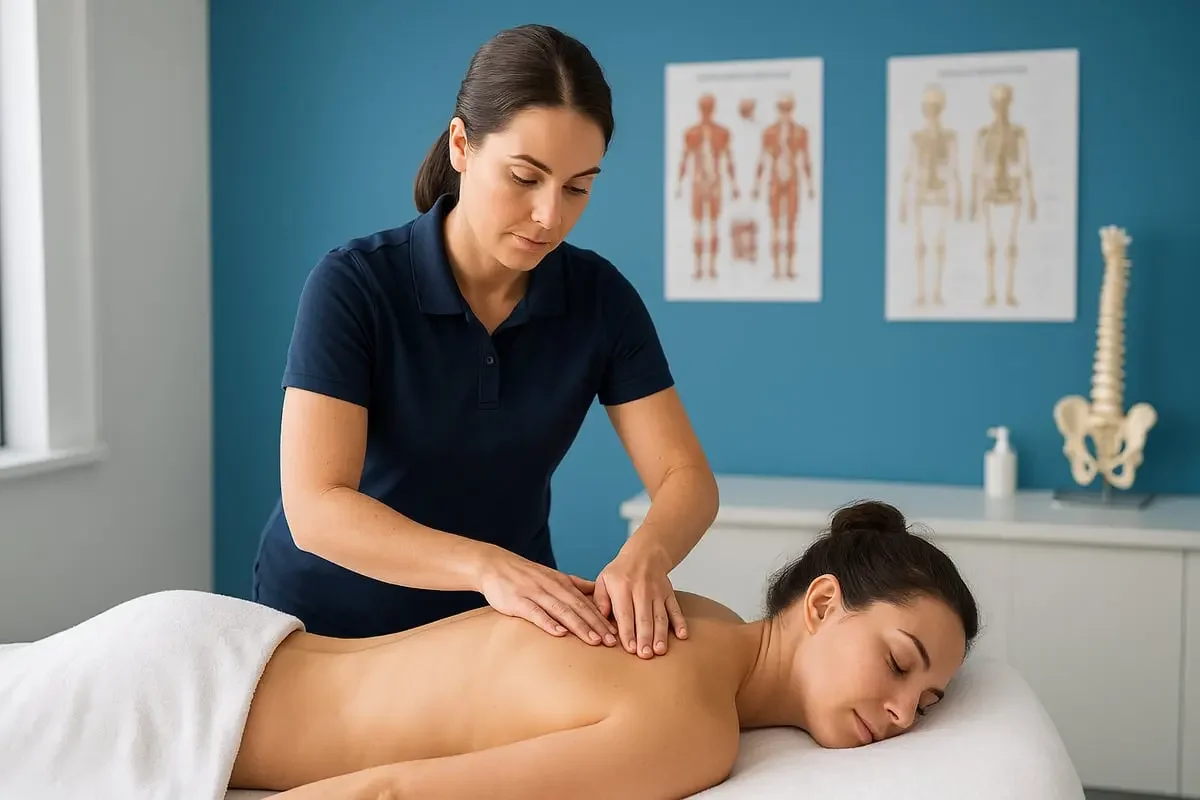
What Is an RMT Massage?
An RMT massage at Mountain Health and Performance is provided by a Registered Massage Therapist, a regulated healthcare professional recognized for clinical expertise. These therapists focus on assessing, treating, and preventing musculoskeletal conditions rather than offering just general relaxation.
Each session begins with a thorough evaluation of your health history and current concerns. The approach is personalized, with treatment plans designed specifically for your needs. In many regions, RMT massage is considered a medical service and often qualifies for insurance coverage.
Training and Regulation of RMTs
The rigorous training behind RMT massage ensures that clients receive safe, effective care. RMTs at Mountain Health and Performance complete comprehensive, accredited college programs, typically involving over 2,200 hours of study in anatomy, physiology, pathology, assessment, and ethics.
After their education, therapists must pass standardized exams and register with a regulatory body, maintaining their credentials through ongoing education and adherence to strict ethical codes. This high standard is why RMTs are trusted with complex cases and medical referrals.
To better understand the regulatory framework and educational requirements, you can explore North Vancouver registered massage therapy for more details about the standards upheld at Mountain Health and Performance.
Techniques and Clinical Focus
RMTs at Mountain Health and Performance use a broad range of techniques tailored to each client’s unique condition. The process begins with a clinical assessment, ensuring the most effective plan is created for each individual.
Common techniques include:
Swedish massage for relaxation and circulation
Deep tissue manipulation for chronic tension
Myofascial release for mobility
Trigger point therapy for targeted pain relief
Joint mobilization to restore movement
Technique / Primary Use Case
Swedish / Stress reduction
Deep tissue / Chronic muscle tension
Myofascial release / Postural issues
Trigger point therapy / Headaches, referred pain
Joint mobilization / Post-surgical recovery
RMT massage is not only for injuries but also helps manage conditions like tension headaches or aids in regaining mobility after surgery. Therapists provide home care advice and self-management strategies for lasting results.
Research shows that RMT massage can reduce chronic pain by up to 30 percent, making it a powerful tool for both acute and long-term care. At Mountain Health and Performance, the focus on clinical excellence ensures every treatment is safe, effective, and tailored for your best outcome.
Non-Registered Massage
Non-registered massage is popular for those seeking general wellness or relaxation. Not to be confused with RMT massage, non-registered massage has distinct qualities that set it apart. Understanding these differences can help you choose the most suitable approach for your needs.
Definition and Purpose of Non-Registered Massage
Non-registered massage may have many of the same focuses on as RMT massage, however it is not a regulated title, so any trained therapist may offer it.
Techniques Used
Techniques used in non-registered massage may or may not be similar to that of RMT massages. With no formal education requirements acknowledged by national associations and colleges, it is difficult to know what techniques and approaches to care will be used by non-registered practitioners.
Training and Practitioner Background
Non-registered massage can be provided by a range of practitioners, including those without RMT credentials. While some therapists hold advanced knowledge in anatomy and assessment, others may have only completed basic training. Unlike RMT massage, no standardized regulatory body or accreditation exists for these practitioners like that of the RMT framework.
This difference in education and oversight means the quality of care can vary greatly. When seeking deep tissue therapy for injury or medical concerns, verifying the practitioner’s credentials is essential. RMTs, such as those at Mountain Health and Performance, are trained to recognize contraindications and deliver deep tissue techniques safely within a clinical context.
Non-registered practitioners may lack the expertise to modify or adapt sessions for complex health issues. Always consider your health history and consult with a professional before choosing a non-registered or RMT massage.
Comparing Benefits and Outcomes: RMT Massage vs Non-Registered Massage
Choosing between RMT massage at Mountain Health and Performance and a non-registered massage can shape your wellness journey. Understanding the unique benefits, results, and safety considerations of each approach will help you select the right path for your needs.
Therapeutic Benefits of RMT Massage
At Mountain Health and Performance, RMT massage offers targeted solutions for chronic pain, recovery from injuries, and postural correction. Registered Massage Therapists use clinical assessment to develop tailored treatment plans for each client.
With RMT massage, you receive ongoing progress tracking and evidence-based care. Many clients benefit from insurance reimbursement, making regular sessions more accessible. For example, an RMT can help patients manage whiplash symptoms after an accident, using specific techniques to restore mobility and reduce discomfort. You can learn more about these outcomes in the massage therapy for back pain resource.
Benefits of Non-Registered Massage
Non-registered massage is valued for its accessibility and lower overall cost when extended health coverage is not available. People seek non-registered massage for general aches and pains, wellness and relaxation.
Risks, Contraindications, and Suitability
RMTs at Mountain Health and Performance are trained to recognize health risks and tailor treatments for safety. They identify contraindications and adapt RMT massage techniques to protect your well-being.
Massage, when not administered by a registered professional, can cause soreness or bruising, especially if underlying health conditions exist. Non-RMT therapists may lack the medical knowledge to modify techniques for conditions like osteoporosis or recent surgery.
Consider these factors before booking:
RMT massage is best for those needing clinical expertise, insurance coverage, and safe, regulated care.
Non-registered massage may suit individuals seeking relief from muscle tightness without complex medical needs.
Always review your health history with your provider, and choose a practitioner with proven experience.
At Mountain Health and Performance, RMT massage ensures both effective results and peace of mind, as every session is tailored to your unique needs and safety requirements.
RMT Massage at Mountain Health and Performance: Clinical Excellence in North Vancouver
Discover clinical excellence with RMT massage at Mountain Health and Performance in North Vancouver. This clinic is home to regulated, highly trained professionals who specialize in musculoskeletal care, sports injury management, and spinal rehabilitation. Each patient receives a thorough assessment and a personalized treatment plan, ensuring targeted relief and measurable results. The team offers direct billing for most insurance plans, including ICBC and WorkSafeBC. Their multidisciplinary approach and accessible location make it convenient for clients seeking evidence-based care. For more details on local services, visit North Vancouver RMT services.
Practical Considerations: Cost, Insurance, and Setting
Choosing between RMT massage at Mountain Health and Performance and non-registered massage involves more than personal preference. Practical factors like cost, insurance coverage, and treatment setting can significantly impact your decision and overall results. Understanding these differences helps you make the right investment in your health and wellness.
Cost Comparison and Insurance Coverage
At Mountain Health and Performance, RMT massage sessions are delivered by regulated professionals, with typical fees approximately $140 per hour. These sessions frequently qualify for extended health insurance reimbursement, making them a cost-effective option for many clients. The clinic offers direct billing, so you do not have to handle paperwork or wait for claims to process.
In contrast, massage provided by non-registered practitioners can cost anywhere from $50 to $150 per hour, depending on location and therapist experience. However, treatments by non-RMTs are rarely covered by insurance plans. This means out-of-pocket expenses can add up quickly, especially if you require ongoing care.
For individuals recovering from workplace or motor vehicle injuries or managing chronic conditions, RMT massage at Mountain Health and Performance is often the preferred choice as insurance support through ICBC and WorkSafe BC is available with streamlined billing to provide peace of mind, allowing you to focus on healing.
Setting and Experience Differences
The clinical environment at Mountain Health and Performance is designed to support your health goals. RMT massage is provided in private, well-equipped treatment rooms within a multidisciplinary clinic, ensuring both privacy and professionalism. Each session begins with a thorough assessment and is documented to track your progress over time.
Non-registered massage, on the other hand, is frequently offered in spas or wellness centers. These settings may prioritize ambiance, relaxation, and sensory experiences, such as soothing music or aromatherapy. While this can be enjoyable for stress relief, it may lack the clinical oversight and comprehensive care found in a regulated setting.
Choosing RMT massage at Mountain Health and Performance means you benefit from a health-focused atmosphere, experienced therapists, and a collaborative team approach. This ensures your treatment is tailored to your unique needs, whether you are recovering from injury or seeking ongoing wellness support.
Duration, Frequency, and Aftercare
RMT massage sessions at Mountain Health and Performance typically last between 30 and 90 minutes. Your therapist develops a treatment plan based on your goals and monitors your progress at each visit. The recommended frequency depends on your health condition, response to therapy, and individual preferences.
After each session, your RMT provides personalized aftercare advice, including stretches, exercises, and self-management strategies to support long-term improvement. Home care is a key part of the clinic’s approach, helping you maintain results between appointments.
Non-registered massage sessions may last from 30 to 120 minutes and often focus on specific muscle groups. However, without clinical assessment, aftercare guidance may vary. If you are considering non-registered for pain or injury, it is important to understand the benefits and risks involved, especially when treatment is provided outside a regulated clinic.
How to Choose: Which Is Best for You?
Selecting the right massage therapy is a crucial step toward better health and wellness. With options like RMT massage at Mountain Health and Performance and non-registered massage, understanding your needs and the expertise available ensures you get the results you want. Let us guide you through the practical steps for making an informed, confident choice.
Assessing Your Needs and Health Goals
Begin by clarifying your primary objective: are you seeking targeted medical treatment, injury recovery, pain management, or simply relaxation? For those with chronic conditions, recent injuries, or complex health concerns, RMT massage at Mountain Health and Performance offers clinical assessment and evidence-based care.
If you are looking for a general wellness massage or a massage on a budget without insurance coverage, non-registered massage may appeal to you. However, it is important to note that non-registered massage is not a regulated title and may lack the medical oversight of RMT massage.
For office workers with persistent neck or back pain, or for anyone recovering from an accident, RMT massage provides a higher level of safety, progress tracking, and personalized care plans.
Quick Comparison Table:
Goal/Need / RMT Massage (Mountain Health and Performance) / Non-registered Massage
Medical Assessment / Yes / No
Insurance Coverage / Yes / Rarely
Evidence-based Care / Yes / Limited
Regulation / High / Variable
Questions to Ask Before Booking
Before making your appointment, consider these essential questions:
Is the practitioner an RMT at Mountain Health and Performance or a non-registered therapist?
What is their specific training and experience with your condition?
Will your RMT massage session be eligible for insurance reimbursement?
Which techniques will be used, and are they appropriate for your health status?
Are there any risks or contraindications you should be aware of?
Asking these questions helps you determine the quality and suitability of care, ensuring your RMT massage meets clinical standards and your personal goals. At Mountain Health and Performance, RMTs are trained to adapt each session to your unique health profile, maximizing both safety and results.
Future Trends and Evolving Standards in 2026
Looking ahead, the massage therapy landscape is shifting toward more regulated, evidence-based practice. Clinics like Mountain Health and Performance are leading this evolution, offering integrated care with a team approach. Patients are increasingly seeking RMT massage for injury management, wellness, and long-term health benefits.
Practitioner credentials and patient safety will remain top priorities. Industry reports predict a steady rise in demand for RMT massage, driven by the need for reliable, clinically-focused care. Choosing an RMT at Mountain Health and Performance ensures you receive the highest standard of massage therapy, tailored to your evolving needs.
After exploring the differences between RMT and non-registered massage, you might be wondering which approach is truly right for your needs. Whether you are seeking targeted pain relief after an injury, managing a chronic condition, or simply aiming to improve your overall wellness, working with a skilled professional makes all the difference. At Mountain Health and Performance, our experienced team is ready to personalize your care and help you reach your goals safely and effectively. If you are ready to take the next step toward lasting relief, Book with one of our massage therapists today.