Gluteal Tendinopathy Treatment Guide: North Vancouver Expert Insights
Struggling with persistent hip pain that disrupts your daily life or limits your favorite activities? You are not alone. Gluteal tendinopathy is a leading cause of lateral hip discomfort, especially among active adults and women over 50.
This comprehensive gluteal tendinopathy treatment guide reveals the latest expert insights and evidence-based solutions. Discover how Mountain Health and Performance supports recovery with chiropractic care, shockwave and laser therapy, physiotherapy, rehab exercises, and massage therapy.
Explore proven strategies for diagnosis, effective management, and long-term relief, empowering you to reclaim your mobility and enjoy life pain free.
Understanding Gluteal Tendinopathy: Causes, Risk Factors, and Symptoms
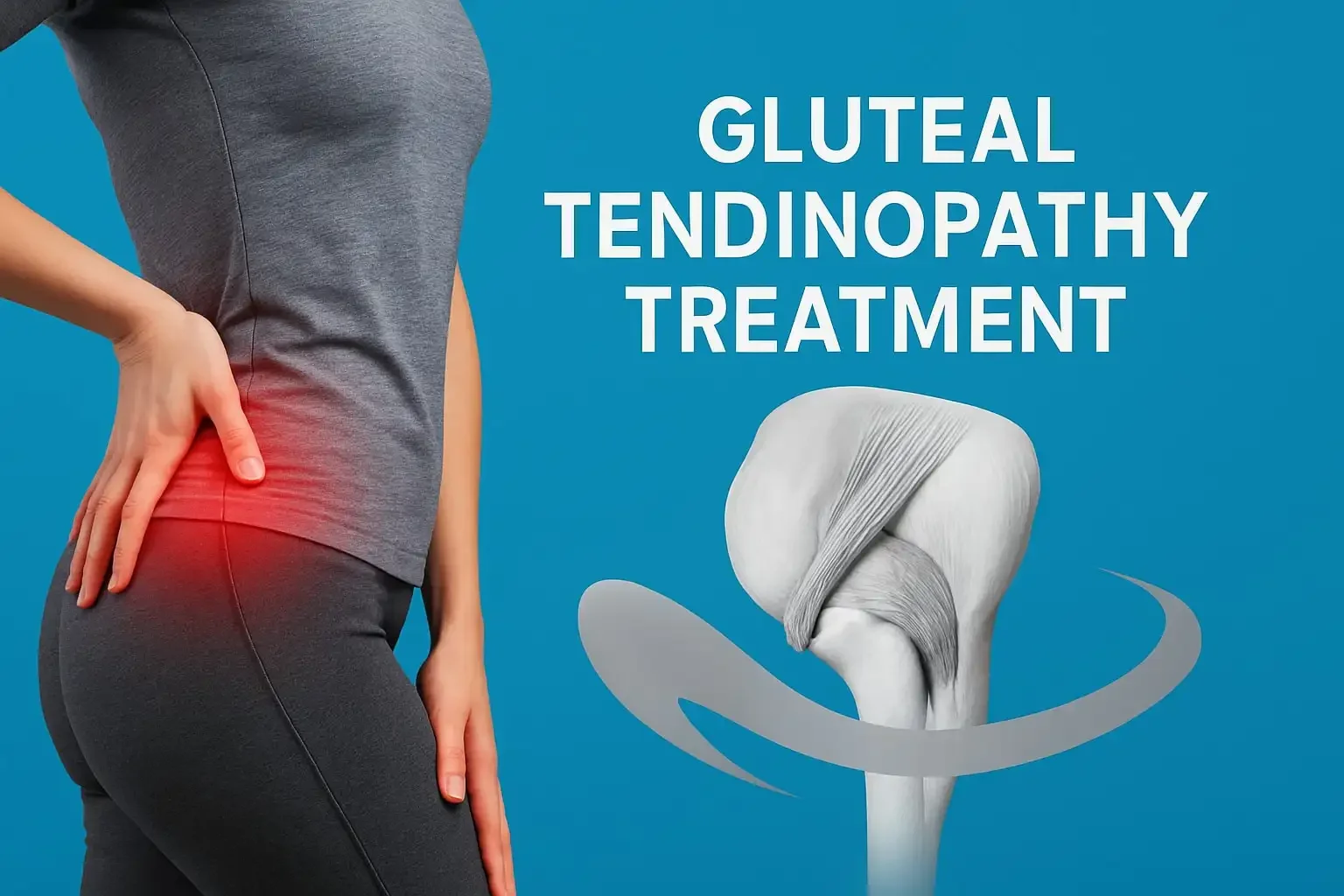
Gluteal tendinopathy is one of the most common sources of persistent lateral hip pain in adults. It occurs when the tendons of the gluteus medius and minimus muscles become irritated or degenerate, often leading to significant discomfort and movement limitations. Recent studies show that nearly 1 in 4 women over 50 will experience this condition, making it a leading concern for both active and sedentary individuals. Understanding the nature and prevalence of gluteal tendinopathy is the first step in seeking effective gluteal tendinopathy treatment.
What Is Gluteal Tendinopathy?
Gluteal tendinopathy is a tendon disorder affecting the hip's lateral side. Unlike trochanteric bursitis, which involves inflammation of the bursa, gluteal tendinopathy specifically targets the tendons. It is also distinct from greater trochanteric pain syndrome, which can involve multiple tissues. The condition is most prevalent in women between 40 and 60 years old, with a 7:1 female-to-male ratio. For a comprehensive overview, the Gluteal Tendinopathy Patient Guide offers additional insights into diagnosis and management, supporting your search for the right gluteal tendinopathy treatment.
Key Causes and Risk Factors
Multiple factors contribute to the development of gluteal tendinopathy. Overuse from repetitive movements, sudden increases in activity, and poor hip or pelvic biomechanics play a major role. Muscle weakness, obesity, and a sedentary lifestyle further increase risk. Acute injuries, such as a fall on the hip, can also trigger tendon damage.
Table: Primary Risk Factors
Risk Factor / Details
Age / Most common 40–60 years
Gender / Women affected 7:1
Activity Level / High-impact or sedentary
Biomechanics / Poor gait, pelvic tilt
Obesity / Increases tendon load
Targeted gluteal tendinopathy treatment addresses these underlying causes for long-term relief.
Recognizing Symptoms and Daily Impact
Typical symptoms include pain on the side of the hip, especially when lying on the affected side, walking, running, or climbing stairs. Morning stiffness and discomfort that radiates to the outer thigh (but not below the knee) are common. Many people notice a "warm-up" effect, where pain improves as they move.
The condition often disrupts daily life. Sleep can be disturbed by pain, and even simple activities like standing or getting out of a chair become challenging. Reduced mobility and exercise tolerance are frequent complaints, highlighting the need for effective gluteal tendinopathy treatment.
How Mountain Health and Performance Can Help
Mountain Health and Performance takes an integrated approach to gluteal tendinopathy treatment. Chiropractic care corrects pelvic and hip alignment, improving biomechanics and reducing tendon stress. Physiotherapy guides patients through progressive rehab exercises, such as side-lying leg lifts and band walks, to rebuild strength and stability.
Shockwave and laser therapy are used to stimulate tendon healing and manage chronic pain. Massage therapy targets tight muscles and improves circulation, reducing discomfort. Each treatment plan is customized, combining modalities for optimal recovery and prevention of future issues.
Diagnosis and Staging: How Gluteal Tendinopathy is Identified
Accurate diagnosis is the cornerstone of effective gluteal tendinopathy treatment. At Mountain Health and Performance, practitioners begin by gathering a detailed patient history and conducting a focused physical examination. This process involves identifying the nature of lateral hip pain, any aggravating movements, and the impact on daily activities.
During the clinical assessment, specific tests are used to reproduce symptoms and pinpoint the source of pain. Palpation over the greater trochanter, resisted hip abduction, and stretching of the gluteal tendons often elicit discomfort in affected individuals. Observing movement patterns and functional tasks, such as single-leg stance or stair climbing, helps reveal muscle weakness or compensation that may contribute to ongoing symptoms.
Imaging studies are often not necessary but can be used to confirm the diagnosis and guiding gluteal tendinopathy treatment. MRI and ultrasound are the most commonly used modalities.
Staging gluteal tendinopathy is critical for selecting the best treatment strategy. The progression of tendon pathology follows a continuum, from the early reactive phase, through disrepair, and into degeneration. Recognizing the stage informs whether conservative care, such as rehabilitation and manual therapy, or more advanced interventions, are appropriate.
Mountain Health and Performance emphasizes a thorough, multidisciplinary evaluation for gluteal tendinopathy treatment. Chiropractors assess pelvic alignment and gait, physiotherapists evaluate muscle strength and flexibility, while massage therapists address soft tissue restrictions. This collaborative approach helps avoid common diagnostic pitfalls, such as confusing tendinopathy with trochanteric bursitis or missing subtle partial tears. Only skilled practitioners, equipped with up-to-date clinical knowledge, can accurately stage and diagnose the condition.
Consider a patient who initially presents with mild lateral hip pain during activity. Without early intervention, symptoms may progress over months to a partial tendon tear, leading to more severe functional limitations. Early and accurate diagnosis, supported by evidence-based guidelines such as those in the Gluteal Tendinopathy Treatment Review, ensures that gluteal tendinopathy treatment is tailored to the individual's stage and needs.
This comprehensive process at Mountain Health and Performance lays the foundation for effective recovery, minimizes the risk of chronic pain, and supports a return to optimal function.
Conservative Treatment Strategies: First-Line Approaches for Gluteal Tendinopathy
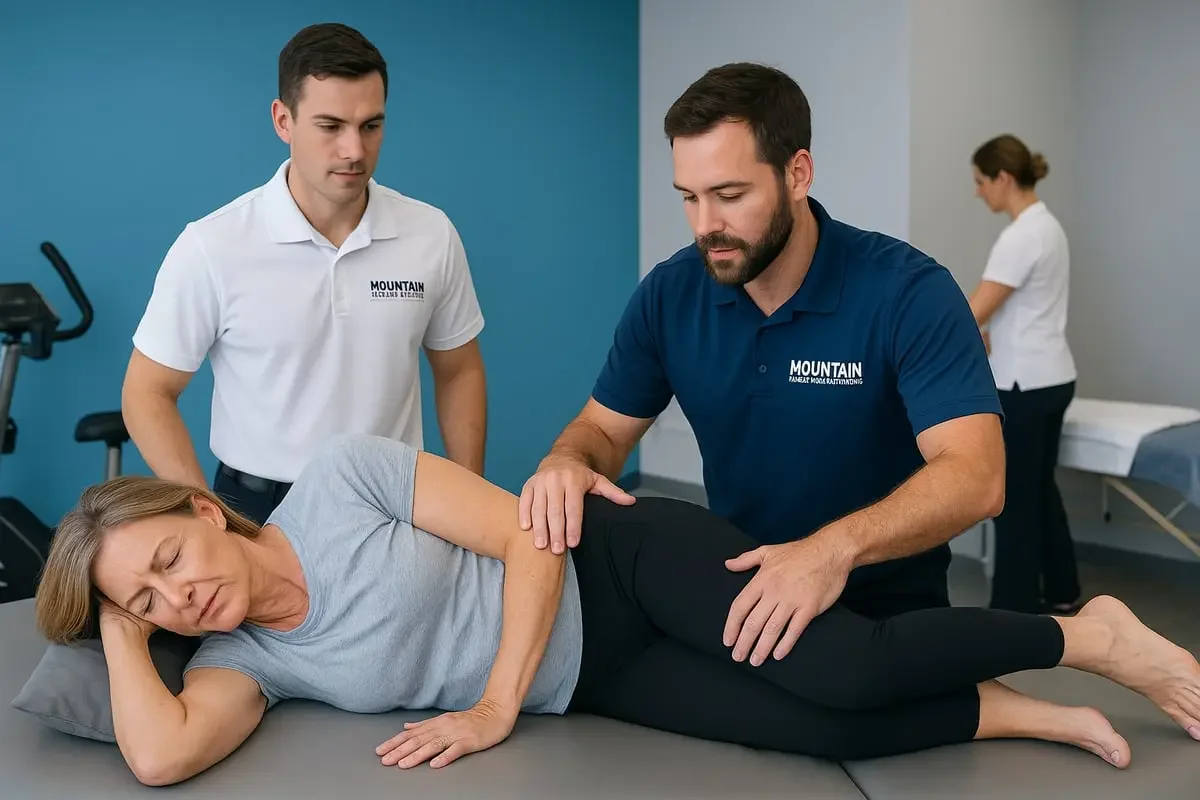
Conservative management is the cornerstone of gluteal tendinopathy treatment, with a focus on restoring normal function, reducing pain, and preventing recurrence. At Mountain Health and Performance, patients benefit from a multidisciplinary approach that combines the expertise of physiotherapists, chiropractors, massage therapists, and exercise specialists, ensuring every component of recovery is addressed.
The Role of Physical Therapy and Exercise
Physical therapy is the foundation of gluteal tendinopathy treatment. Individualized exercise programs target the lateral hip muscles to build strength, improve stability, and correct faulty movement patterns. Research supports progressive strengthening, with evidence showing that exercises such as side-lying leg lifts, single-leg squats, and lateral band walks generate the highest gluteal activation.
A typical program involves:
2–3 sessions per week
8–12 week duration
Gradual increase in resistance and complexity
Patients are educated on activity modification and load management, such as avoiding crossing legs or prolonged standing with hip dropped. Therapists use pain monitoring to ensure exercises remain within a tolerable range, promoting tendon adaptation without exacerbating symptoms.
Real-world outcomes show that adherence to a structured rehabilitation plan results in significant pain reduction and improved function. For those seeking in-depth scientific support, a recent Exercise-Based Interventions Meta-Analysis confirms the effectiveness of structured exercise for gluteal tendinopathy treatment, emphasizing its role as a first-line intervention.
Manual Therapy, Massage, and Soft Tissue Techniques
In addition to exercise, manual therapy and massage play a critical role in gluteal tendinopathy treatment. Techniques such as soft tissue massage, trigger point release, and dry needling help alleviate pain, reduce muscle tension, and restore hip mobility.
These interventions are especially valuable in the acute and subacute stages, providing immediate relief and enhancing confidence in movement. When combined with exercise, manual therapy can accelerate progress and improve overall outcomes.
Shockwave and Laser Therapy: Adjunct Modalities
Shockwave and laser therapy are valuable adjuncts in gluteal tendinopathy treatment, particularly for persistent or stubborn cases. Extracorporeal shockwave therapy (ESWT) promotes tissue regeneration and reduces inflammation by stimulating cellular activity. Laser therapy accelerates healing and supports collagen production.
Protocols typically involve a series of weekly sessions, with most patients noticing improvement within four to six weeks. These modalities are most effective when integrated with exercise and manual therapy.
Chiropractic Care and Biomechanical Correction
Chiropractic assessment addresses the biomechanical factors underlying gluteal tendinopathy treatment. By evaluating pelvic and hip alignment, gait, and lower limb mechanics, chiropractors identify compensatory patterns that contribute to ongoing symptoms.
Treatment includes joint mobilization, manipulation, and corrective exercises designed to restore optimal movement. Integrating chiropractic care with physiotherapy and rehabilitation provides a holistic plan, often resulting in improved function and faster return to activity.
How Mountain Health and Performance Supports Gluteal Tendinopathy Recovery
Mountain Health and Performance delivers comprehensive gluteal tendinopathy treatment through integrated services:
Chiropractic care for alignment and movement correction
Physiotherapy-guided rehabilitation and exercise
Massage therapy and soft tissue work to relieve pain
Shockwave and laser therapy for advanced healing
Individualized programs tailored to each patient’s needs
On-site gym facilities allow supervised strengthening, while direct billing and support for insurance, ICBC, and WorkSafe BC claims make access to care seamless. The patient-centered approach ensures every aspect of gluteal tendinopathy treatment is addressed, supporting lasting recovery and prevention of future episodes.
How Mountain Health and Performance Approaches Advanced Care
At Mountain Health and Performance, the focus is on comprehensive gluteal tendinopathy treatment that minimizes the need for invasive procedures. The team integrates chiropractic care, physiotherapy, targeted rehabilitation exercises, massage therapy, and advanced modalities like shockwave and laser therapy.
Chiropractic and physiotherapy address underlying biomechanical issues and correct gait patterns. Massage therapy helps reduce pain and muscle tension, supporting mobility. Rehabilitation exercises are individualized, progressing from gentle activation to advanced strengthening.
For persistent cases, shockwave therapy for tendon pain is a frontline non-surgical option. It stimulates tissue regeneration and reduces inflammation, often leading to significant improvements when paired with exercise and manual therapy. Class 4 laser therapy further accelerates healing and eases discomfort, making it a valuable adjunct to core treatments.
This multidisciplinary approach empowers patients to recover fully, often avoiding injections and surgery altogether.
Choosing the Right Path: Injections vs Conservative Treatments
When is it time to consider injection therapies as part of your gluteal tendinopathy treatment? Injections may be appropriate for those with persistent pain after several months of structured conservative care, or when imaging reveals significant tendon pathology.
However, injections are rarely a standalone solution. They work best when combined with ongoing rehabilitation, biomechanical correction, and patient education. Risks such as tendon weakening and infection must be weighed against potential benefits.
Most patients achieve lasting relief through a combination of shockwave, laser, chiropractic, massage, and physiotherapy. By prioritizing integrated care, Mountain Health and Performance helps patients regain function, reduce pain, and prevent recurrence.
Rehabilitation, Prevention, and Long-Term Management
Successfully overcoming gluteal tendinopathy treatment requires a holistic approach. Mountain Health and Performance integrates chiropractic care, shockwave therapy, laser therapy, physiotherapy, individualized rehab exercise, and massage therapy to guide patients toward long-term recovery. Each element plays a distinct role in restoring function, preventing recurrence, and promoting resilience against future injury.
Designing an Effective Rehabilitation Program
A tailored rehabilitation program is the backbone of gluteal tendinopathy treatment. At Mountain Health and Performance, expert therapists assess each patient’s stage and severity, then design a plan focused on progressive loading and tendon adaptation.
Rehabilitation may begin with gentle isometric exercises to reduce pain and build foundational strength. As symptoms improve, the program advances to functional strengthening, such as side-lying leg lifts, banded squats, gluteal bridges, and lateral band walks. These exercises target the gluteal muscles, correcting imbalances and improving hip stability.
Key principles include:
Progressive loading: Gradually increasing exercise intensity to stimulate tendon healing.
Pain monitoring: Encouraging patients to work within tolerable pain limits, avoiding flare-ups.
Individualization: Modifying exercises and load based on current symptoms and functional goals.
Physiotherapists and chiropractors collaborate to optimize biomechanics, address gait issues, and promote proper movement patterns. Massage therapy and soft tissue techniques relieve muscle tension and improve circulation, supporting exercise-based recovery. Adjunct modalities, such as shockwave and Class 4 laser therapy benefits, further enhance healing by reducing inflammation and stimulating tissue repair.
Recovery timelines vary. Acute cases may resolve in 3–8 weeks, while chronic cases often require 3–6 months of consistent effort. With regular follow-up, patients experience improved mobility and reduced pain, making gluteal tendinopathy treatment both effective and sustainable.
Preventing Recurrence: Lifestyle and Ergonomic Strategies
Prevention is a key pillar in gluteal tendinopathy treatment. Identifying modifiable risk factors helps patients maintain long-term results.
Strategies include:
Weight management to reduce joint stress.
Proper footwear for shock absorption.
Workplace ergonomic adjustments to avoid prolonged sitting or awkward positions.
Ongoing strength and conditioning to maintain hip stability.
Education empowers patients to recognize early warning signs and avoid activities that overload the gluteal tendons. By adopting these strategies, individuals can minimize the risk of recurrence and support lasting recovery.
Integrating Multidisciplinary Care for Optimal Outcomes
Optimal gluteal tendinopathy treatment often requires a multidisciplinary approach. At Mountain Health and Performance, care is coordinated among chiropractors, physiotherapists, massage therapists, and rehabilitation specialists.
Chiropractic performance and rehabilitation focuses on pelvic alignment, joint mobility, and correcting biomechanical faults that contribute to tendon overload (Chiropractic performance and rehabilitation). Physiotherapists provide guided exercise progression and load management. Massage therapy addresses soft tissue restrictions, while shockwave and laser therapy offer targeted pain relief and tissue regeneration.
Integrated care ensures seamless communication, patient-centered goal setting, and regular reassessment. This collaborative model delivers comprehensive gluteal tendinopathy treatment, maximizing the likelihood of full recovery.
Patient Success Stories and Real-World Outcomes
At Mountain Health and Performance, patients from all backgrounds have benefited from integrated gluteal tendinopathy treatment. Athletes return to sport, older adults regain independence, and sedentary individuals experience renewed mobility.
Case studies highlight:
Significant reductions in lateral hip pain.
Improved walking and stair-climbing ability.
Successful return to recreational activities.
Testimonials frequently mention the value of personalized care, hands-on therapy, and progressive exercise programs. These real-world outcomes demonstrate the effectiveness of a team-based approach in achieving lasting results.
Expert Tips for Managing Chronic and Complex Cases
Chronic or complex cases require specialized gluteal tendinopathy treatment strategies. Mountain Health and Performance practitioners recommend:
Addressing psychological factors: Incorporating pain neuroscience education and emotional support.
Persistent load management: Adjusting activity levels to avoid re-injury.
Regular reassessment: Monitoring progress and adapting the program as needed.
Referral to specialists: Considering surgical options only if conservative care fails.
Patient persistence, adherence to rehabilitation, and trust in the care team are essential. With expert guidance, even challenging cases can achieve meaningful recovery and prevent future setbacks.
Future Clinical Practice and Expert Predictions
Looking ahead, multidisciplinary care will remain central to effective gluteal tendinopathy treatment. Mountain Health and Performance’s integrated model—including chiropractic, shockwave, laser therapy, physiotherapy, rehabilitation exercises, and massage therapy—positions patients for optimal outcomes as new interventions emerge.
You’ve now seen how personalized, evidence-based strategies can make a real difference in overcoming gluteal tendinopathy, from expert assessment to hands-on therapies and progressive rehabilitation. If you’re ready to take the next step toward lasting relief and want targeted, effective care for your hip pain, our experienced chiropractors are here to help. At Mountain Health and Performance, we combine advanced techniques with a patient-centered approach to address the root causes of your discomfort and guide you through every stage of recovery.
Start your journey back to confident movement. Book with one of our chiropractors today.