Guide to Massage Therapy for Back Pain Relief
Are you among the millions searching for real relief from persistent back pain? Back pain continues to disrupt lives and work, making effective solutions more important than ever.
This guide explores how massage therapy for back pain, offered at Mountain Health and Performance, can transform your recovery. Discover the latest evidence, expert-backed techniques, and how to choose the right approach for your unique needs.
Ready to regain comfort, mobility, and confidence? Dive in to learn how massage therapy for back pain can help you move forward without relying on medication.
Understanding Back Pain in 2026
Back pain continues to be a leading health challenge, affecting millions of people and driving demand for effective solutions. At Mountain Health and Performance, understanding the scope and drivers of back pain is central to delivering targeted, evidence-based care. Let’s explore the latest trends, causes, treatments, and why massage therapy for back pain stands out as a preferred approach.
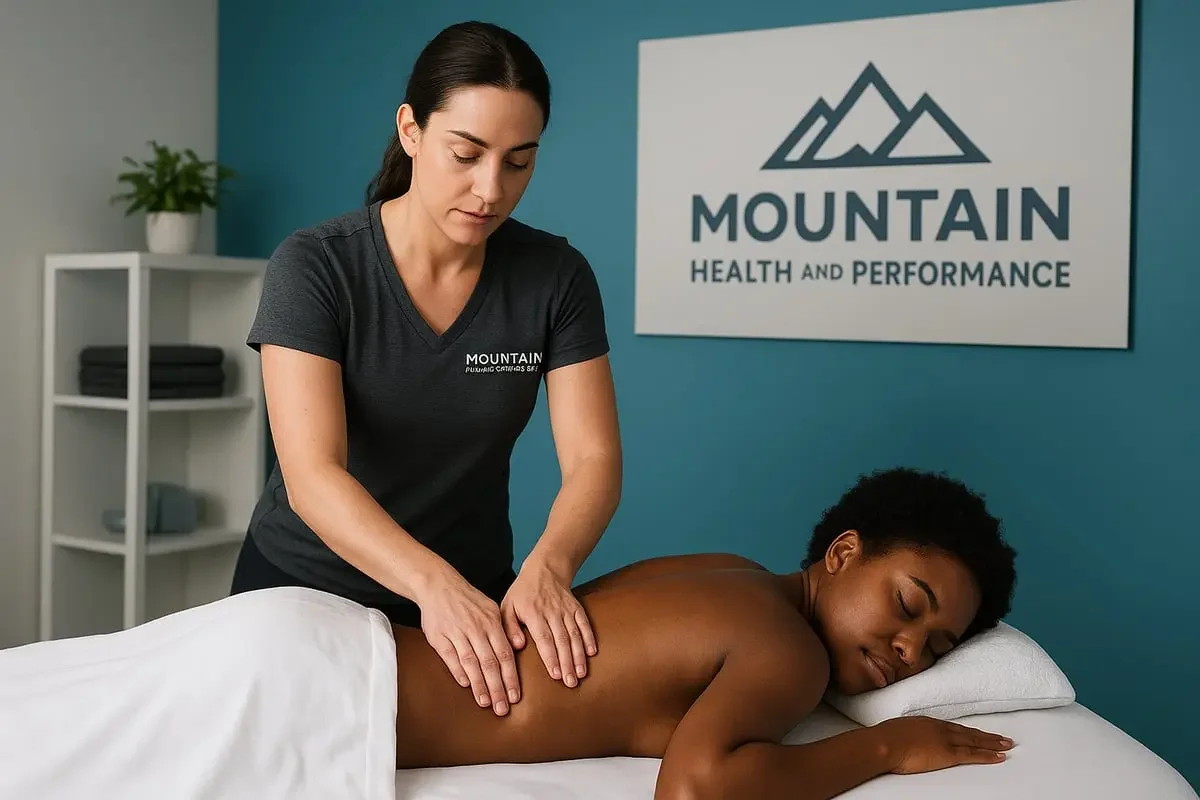
Prevalence and Impact of Back Pain
Back pain is the most common pain complaint in North America. Each year, treatment expenses exceed $100 billion in the US alone, reflecting both direct medical costs and lost productivity. The majority of adults, especially those in the workforce, experience back pain at some point, with chronic cases often leading to long-term disability.
Chronic back pain is defined as pain lasting more than 12 weeks, while acute back pain is typically short-lived but can recur if not managed properly. The effects go beyond physical discomfort, frequently impacting work attendance, daily activities, and mental well-being. As awareness of holistic health grows, more individuals seek non-pharmacological solutions like massage therapy for back pain to restore quality of life.
Causes and Risk Factors
Multiple factors contribute to back pain, ranging from muscle strains and herniated discs to poor posture and sedentary habits. Age, occupation, obesity, and lack of exercise are well-known risk factors. The shift towards remote work has introduced new ergonomic challenges, often increasing the likelihood of back discomfort.
Psychosocial factors, including stress, anxiety, and depression can also heighten pain sensitivity and prolong recovery. Office workers, athletes, and seniors all face unique risks. Early intervention and preventive strategies are essential, and massage therapy for back pain is increasingly recognized for both treating and preventing recurring issues.
Conventional Treatments and Their Limitations
Traditional approaches to back pain include medications, physical therapy, and surgery. While these methods offer relief, they come with limitations such as side effects, dependency risks, and inconsistent results. Over the past several years, more patients are seeking alternatives that address both symptoms and underlying causes.
Massage therapy for back pain has emerged as a key component of integrative care, with growing clinical support for its effectiveness. For more on how massage fits into modern treatment plans, see the Back Pain Massage Treatment Guide. This shift reflects a broader preference for therapies that are safe, natural, and tailored to individual needs.
Why Massage Therapy is Gaining Popularity
Recent research supports the value of massage therapy for back pain, prompting its inclusion in clinical guidelines and insurance coverage. Patients consistently report high satisfaction rates, noting improvements in pain, mobility, and overall well-being after regular sessions at Mountain Health and Performance.
Professional standards have advanced, making massage therapy more accessible and effective for diverse populations. Today, massage is frequently integrated with other treatments, offering a multidisciplinary approach that addresses both the physical and emotional aspects of back pain.
How Massage Therapy Alleviates Back Pain
Living with persistent back pain can be overwhelming. At Mountain Health and Performance, massage therapy for back pain is designed to address both the root causes and symptoms, offering a comprehensive, patient-centered approach to relief. By integrating advanced techniques and expert assessment, the clinic delivers measurable improvements for a wide range of back pain conditions.
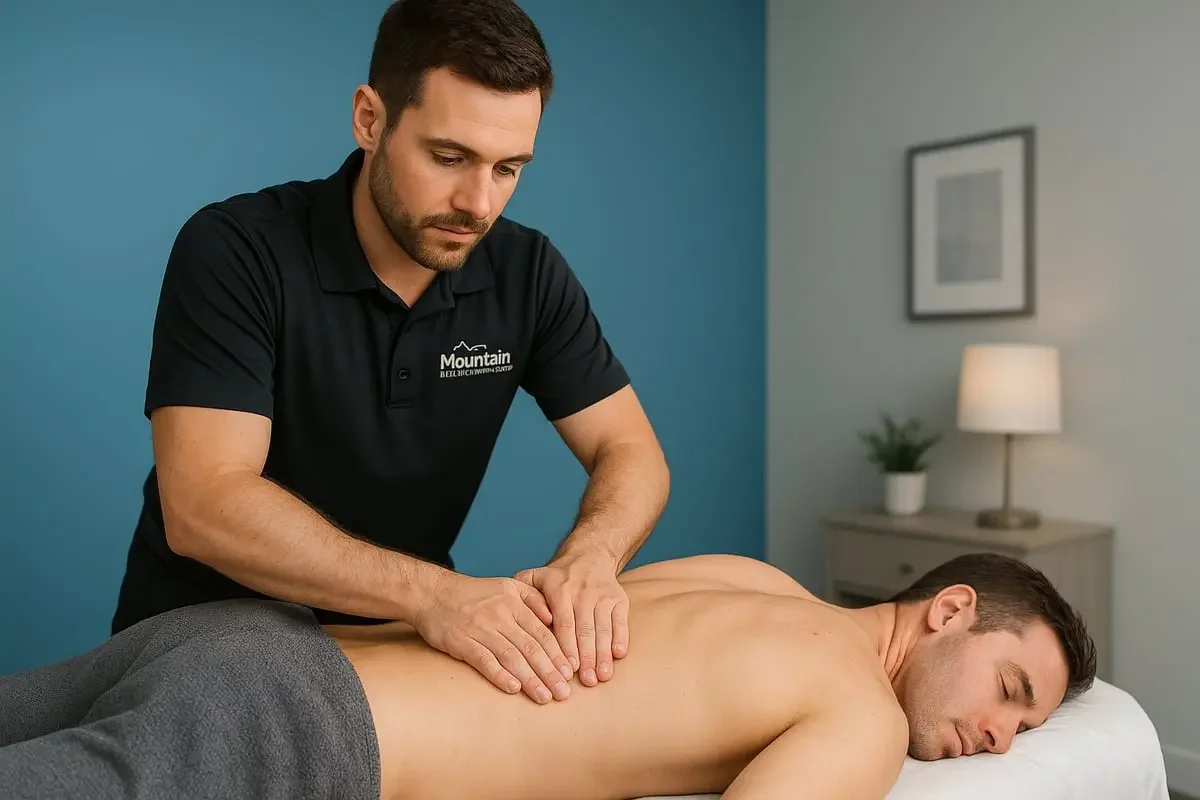
Mechanisms of Action
Massage therapy for back pain works by manipulating soft tissues, including muscles and fascia, to reduce tension and stiffness. At Mountain Health and Performance, therapists use techniques that increase local blood flow, delivering essential nutrients and oxygen to affected areas.
This process supports the removal of metabolic waste, helping to decrease inflammation. Massage also triggers the release of endorphins, serotonin, and dopamine, which are natural pain relievers. These physiological effects combine to improve tissue elasticity and joint mobility, while also reducing swelling.
Psychologically, massage therapy for back pain induces relaxation, lowers stress hormones, and elevates mood. Studies show over 40 percent of patients experience significant pain relief after a series of targeted sessions.
Physical and Psychological Benefits
The benefits of massage therapy for back pain extend well beyond pain reduction. Physically, patients experience less muscle spasm, improved flexibility, and decreased scar tissue formation. Enhanced mobility allows individuals to return to daily activities with greater ease.
Psychologically, regular sessions support lower stress levels, better sleep quality, and overall improved well-being. For many, managing back pain also means addressing anxiety and depression that can accompany chronic discomfort. At Mountain Health and Performance, therapists see patients regain confidence and quality of life through consistent care.
Long-term, massage therapy for back pain can transform how patients cope with their condition, offering both immediate and sustained improvements.
Massage Therapy in Modern Pain Management
Today, massage therapy for back pain is a core part of modern pain management strategies. Mountain Health and Performance integrates massage with physical therapy, chiropractic care, and rehabilitation for a truly multidisciplinary approach.
Primary care providers increasingly recommend massage for both acute and chronic back pain.
At the clinic, massage therapy for back pain is used not only for symptom relief but also to minimize reliance on pain medications. Patients recovering from injuries or surgery benefit from coordinated care, accelerating healing and restoring function.
Suitability for Different Types of Back Pain
Massage therapy for back pain at Mountain Health and Performance is tailored to each patient's unique needs. Acute pain from muscle strains, chronic conditions like degenerative disc disease, and nerve-related issues such as sciatica all respond to specific massage techniques.
Therapists assess each case to determine the most appropriate style, whether Swedish, deep tissue, sports massage, or myofascial release. While many people find relief, there are times when massage may not be suitable, such as certain infections or acute injuries. In these cases, therapists collaborate with medical professionals to ensure safe and effective treatment.
Customization is key, and ongoing assessment ensures massage therapy for back pain remains effective as symptoms evolve.
Safety and Considerations
Massage therapy for back pain has a strong safety profile when performed by qualified professionals. At Mountain Health and Performance, registered massage therapists conduct thorough assessments before any treatment, identifying possible contraindications and setting realistic expectations.
Patient education is central to the clinic's approach. Therapists explain the benefits, possible side effects, and what to expect during and after sessions. Open communication allows patients to share feedback, ensuring comfort and optimal outcomes.
Ongoing collaboration between patient and therapist helps adjust care plans as needed, supporting safe, lasting relief from back pain.
Types of Massage Therapy for Back Pain Relief
At Mountain Health and Performance, massage therapy for back pain is tailored to each individual, drawing on a range of evidence-based techniques. Understanding the unique benefits of each massage style can help you choose the best approach for your needs. Here, we explore the most effective options available at our North Vancouver clinic and what conditions they can address.
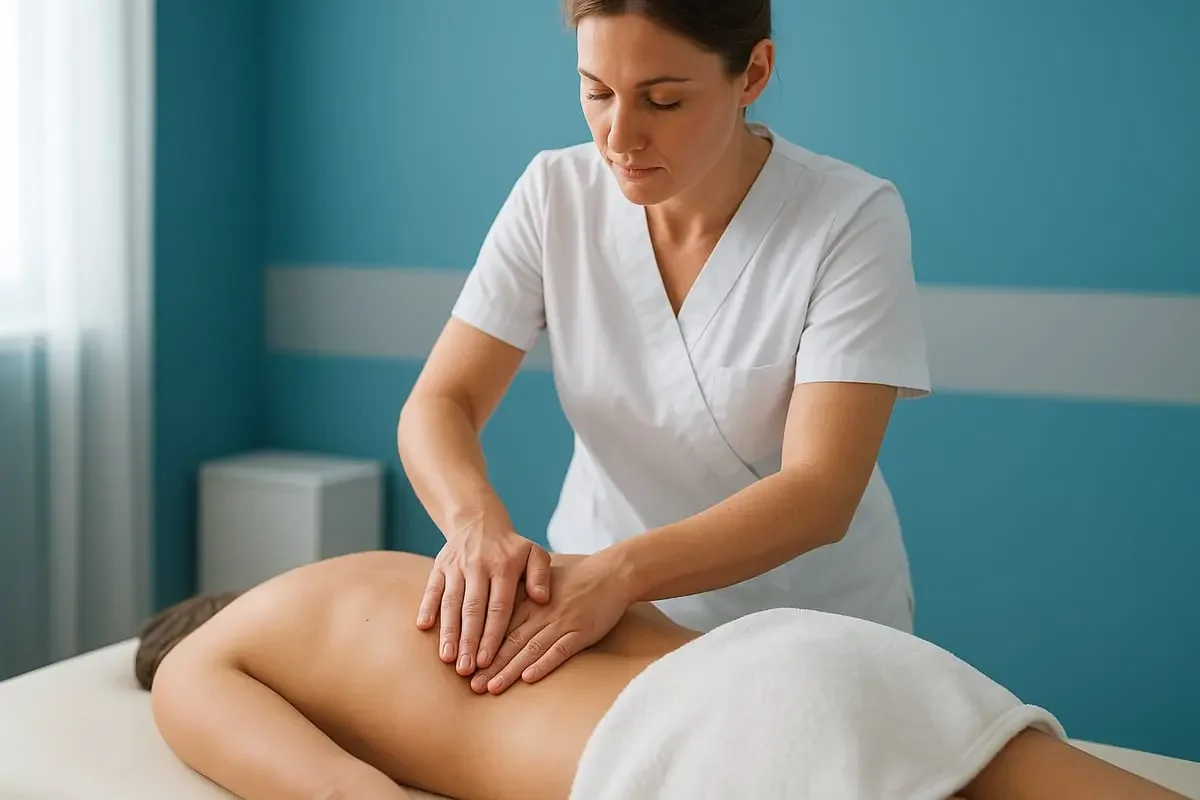
Swedish Massage
Swedish massage is a foundational technique offered at Mountain Health and Performance, designed for those seeking gentle, relaxing relief. Using long, flowing strokes and gentle kneading, this style increases circulation and helps reduce muscle stiffness. Swedish massage therapy for back pain is ideal for clients with mild to moderate discomfort, particularly from stress, muscle tension, or poor posture.
This technique supports recovery from chronic lower back pain, especially in the L5-S1 region. It is also suitable for individuals new to massage or those sensitive to deeper pressure. Many clients report decreased inflammation, improved mobility, and a noticeable reduction in emotional stress after just a few sessions. For more on how this approach can help, see our article on Relieve Low Back Pain with Massage.
Deep Tissue and Neuromuscular (Trigger Point) Therapy
Deep tissue massage and neuromuscular therapy are key modalities for addressing persistent or complex back pain. These techniques focus on the deeper layers of muscle and connective tissue, using firm pressure to break up adhesions and release trigger points. At Mountain Health and Performance, this approach is recommended for those with chronic muscle knots, sports injuries, or pain from repetitive strain.
Massage therapy for back pain using deep tissue methods is particularly effective for athletes, manual laborers, or anyone with long-standing muscle tightness. Sessions often target specific problem areas for up to two minutes at a time, helping restore mobility and alleviate referred pain. This method is also beneficial for acute low back pain linked to muscle overuse or injury.
Other Specialized Techniques
Mountain Health and Performance continually evolves its offerings to include the latest advancements in massage therapy for back pain. Specialized techniques such as myofascial release and sports massage are available for complex musculoskeletal conditions or post-surgical recovery.
These innovative approaches allow therapists to blend techniques for maximum effectiveness, ensuring each client receives truly individualized care. Whether addressing scar tissue, nerve pain, or rehabilitation needs, specialized massage can play a key role in comprehensive pain management.
How to Choose the Right Massage Style
Selecting the right type of massage therapy for back pain depends on your symptoms, preferences, and treatment goals. Start by discussing your pain history and expectations with a qualified therapist at Mountain Health and Performance. They will assess your condition and recommend the most suitable style, whether it is Swedish for relaxation, deep tissue for stubborn knots, or a combination of techniques.
Trial and error is often necessary to discover what works best for you. Many clients benefit from blending styles or adjusting their plan over time as their needs change. Open communication and therapist expertise are essential to achieving lasting relief and improved quality of life.
What to Expect During a Massage Therapy Session
Visiting Mountain Health and Performance for massage therapy for back pain is a personalized, supportive experience from start to finish. Each session is tailored to your unique needs, ensuring you receive the most effective care for your condition.
Initial Assessment and Goal Setting
Your first session begins with a comprehensive assessment. The registered massage therapist reviews your health history, current symptoms, and specific goals for massage therapy for back pain. They assess your posture, range of motion, and pinpoint affected areas.
This collaborative approach ensures your plan is evidence-based and aligns with best practices. For example, if you have chronic muscle tension or a recent injury, the therapist will recommend specific techniques. Open communication builds trust and helps set realistic expectations for progress.
Mountain Health and Performance emphasizes person-centered care, drawing on massage therapy in chronic pain management principles to create individualized treatment goals for every patient.
The Massage Experience: Step-by-Step
Once your plan is set, your therapist prepares a comfortable, private environment. You’ll experience techniques tailored to your needs, such as:
Swedish massage for relaxation and circulation
Deep tissue massage for chronic muscle knots and tension
Sports or rehabilitation massage for injury recovery
Trigger point therapy for referred pain
The therapist applies pressure and stretching based on your feedback, always prioritizing your comfort. Sessions typically last 30 to 90 minutes. Throughout the process, you can expect the therapist to explain each step, ensuring you feel informed and at ease during your massage therapy for back pain.
Aftercare and Immediate Effects
After your session, the therapist provides guidance to maximize your results. You may be advised to hydrate, move gently, or rest as needed. It’s common to feel relaxed, notice improved mobility, or experience mild soreness that resolves quickly.
The team at Mountain Health and Performance monitors for any adverse reactions and offers practical advice for activity modification. By following these aftercare tips, you can extend the benefits of massage therapy for back pain and support your ongoing recovery at home.
Frequency and Duration of Treatment
Your therapist will work with you to determine an effective treatment schedule. Plans may range from weekly to monthly sessions, depending on the severity and duration of your back pain.
Regular massage therapy for back pain is shown to provide the greatest benefits when integrated into a broader wellness routine. Mountain Health and Performance encourages long-term management, combining massage with other therapies as needed to ensure optimal and lasting relief for every patient.
Maximizing Back Pain Relief with Massage Therapy
Integrating multiple therapies is essential for achieving optimal results with massage therapy for back pain. At Mountain Health and Performance, registered massage therapists work closely with chiropractors, physiotherapists, and other professionals to develop a comprehensive plan. This team-based approach ensures that each patient receives targeted care for their specific needs.
Various massage styles are used, including Swedish, deep tissue, and sports massage. Each technique addresses different pain sources, from muscle strains to chronic tension. For those experiencing persistent discomfort, exploring the Deep Tissue Massage Benefits can provide valuable insights into how deeper pressure may help release long-standing knots. Integrating these methods with other therapies can speed up recovery and promote lasting relief.
Integrating Massage with Other Therapies
Mountain Health and Performance excels at combining massage therapy for back pain with other modalities. Therapists often collaborate with chiropractors and physical therapists to ensure holistic care. This multidisciplinary approach is especially beneficial for complex cases, such as post-injury rehabilitation or chronic conditions.
For example, a patient recovering from a sports injury might receive massage to reduce muscle tension, manual adjustments for alignment, and tailored exercises for strength. By integrating these services, patients experience improved mobility and faster recovery. Consistent communication between providers is key to tracking progress and adjusting treatment plans.
Self-Care Tips Between Sessions
Maximizing the benefits of massage therapy for back pain requires active participation beyond the clinic. Patients are encouraged to perform at-home stretches and mobility exercises to maintain flexibility. Adjusting workstations for proper ergonomics can prevent recurring issues, especially for those working remotely.
Applying heat or cold packs can manage acute pain and inflammation between appointments. Mindfulness techniques, such as deep breathing or meditation, help address the psychological aspects of pain. Staying physically active, even with gentle movement, supports long-term results and complements professional care.
Tracking Progress and Adjusting Treatment
Patients at Mountain Health and Performance are guided to track their pain levels, daily activities, and response to massage therapy for back pain. Keeping a journal helps identify patterns and triggers, making it easier to fine-tune treatment plans. Regular check-ins with therapists provide opportunities to discuss improvements or setbacks.
Therapists adjust techniques based on evolving symptoms, ensuring that care remains effective. Setting realistic goals and celebrating progress, no matter how small, fosters motivation and a positive outlook. Continuous adaptation is central to achieving sustained relief and preventing recurrence.
When to Seek Professional Help
While massage therapy for back pain is effective for many conditions, there are times when further evaluation is necessary. Severe or worsening pain, unexplained symptoms, or neurological signs should prompt a visit to a medical professional. Mountain Health and Performance prioritizes patient safety, referring clients to physicians for imaging or diagnostics when indicated.
Collaboration between massage therapists and healthcare providers ensures that complex cases are managed appropriately. Timely intervention can prevent complications and support a faster return to daily activities. Open communication helps patients make informed decisions about their care journey.
Massage Therapy at Mountain Health and Performance
Mountain Health and Performance in North Vancouver offers a full spectrum of massage therapy for back pain, tailored to each individual. Their team uses Swedish, deep tissue, sports, and rehabilitation-focused massage to address muscle strains, chronic tension, and postural imbalances.
The clinic integrates massage with chiropractic care and advanced therapies, ensuring a comprehensive approach. Patients benefit from direct billing to most insurance providers, as well as support for ICBC and WorkSafe BC claims. With a convenient location, extended hours, and a patient-centered philosophy, Mountain Health and Performance is ideal for anyone seeking evidence-based, multidisciplinary solutions for back pain in North Vancouver and the surrounding area.
How to Choose a Qualified Massage Therapist
Selecting the right provider for massage therapy for back pain is crucial for effective, lasting results. At Mountain Health and Performance in North Vancouver, you benefit from a team deeply committed to evidence-based care, patient safety, and exceptional outcomes.
Credentials and Professional Standards
When seeking massage therapy for back pain, always verify your therapist’s credentials. Mountain Health and Performance employs only registered massage therapists who maintain up-to-date certifications and participate in ongoing education. This ensures that every treatment is aligned with the latest clinical practice guidelines for low back pain, supporting safe and effective care. Therapists at the clinic often specialize in musculoskeletal pain and rehabilitation, making them highly qualified to address complex back pain cases. Confirming your therapist’s registration also helps guarantee your eligibility for insurance coverage.
Experience and Specialization
Experience matters when choosing a provider for massage therapy for back pain. Mountain Health and Performance therapists have extensive backgrounds in treating various back pain conditions, from acute injuries to chronic issues. They offer a range of techniques, including Swedish, deep tissue, sports, and rehabilitation-focused massage, each tailored to specific needs. For example, deep tissue massage is ideal for athletes and those with persistent muscle knots, while Swedish massage suits stress-related pain. Patient testimonials frequently highlight the team’s expertise in managing back pain in seniors, office workers, and athletes.
Clinic Environment and Patient Care
A supportive environment is essential for maximizing the benefits of massage therapy for back pain. At Mountain Health and Performance, patients are welcomed into a clean, comfortable clinic designed for privacy and relaxation. The team emphasizes patient-centered care, creating individualized treatment plans that address your unique pain patterns and health goals. Open communication is encouraged, with therapists explaining each technique and answering any questions. The clinic’s multidisciplinary approach, integrating massage with chiropractic and advanced therapies like shockwave and class 4 laser, enhances overall outcomes for back pain relief.
Questions to Ask Before Booking
Before scheduling massage therapy for back pain, ask key questions to ensure the best fit. Inquire about the specific massage styles offered for your condition and how progress is tracked over time. Ask about the therapist’s experience with your type of back pain, potential contraindications, and the clinic’s policies on direct billing and insurance claims. Setting clear expectations for outcomes and follow-up care helps ensure a positive, effective experience at Mountain Health and Performance. Taking these steps empowers you to make informed decisions for your back health.
If you’re ready to take the next step toward lasting back pain relief, you don’t have to navigate it alone. At Mountain Health and Performance in North Vancouver, we blend decades of experience with the latest massage therapy techniques to help you move better and feel better—naturally and effectively. Our team understands the unique challenges of back pain and is committed to providing you with a tailored, evidence-based approach that fits your needs. Let’s work together to restore your comfort, mobility, and quality of life.
Book with one of our massage therapists today