Tennis Elbow Guide: Expert Insights and Relief Tips
Are you struggling with persistent elbow pain that disrupts your daily activities or athletic pursuits? Tennis elbow is one of the most common yet misunderstood arm conditions, impacting not only athletes but also people in many walks of life.
This guide brings you the latest expert insights and proven relief strategies for tennis elbow, so you can regain comfortable, confident movement. We cover causes, symptoms, risk factors, diagnosis, cutting-edge treatments, and prevention.
Discover how Mountain Health and Performance leverages advanced therapies like shockwave therapy, laser therapy, physiotherapy, dry needling, massage therapy, and chiropractic, myofascial work and rehabilitation to help you overcome tennis elbow and return to what you love.
Understanding Tennis Elbow: Causes, Risk Factors & Myths
Are you wondering what really causes tennis elbow and who is at risk? Despite its name, tennis elbow is not limited to athletes or tennis players. In fact, the vast majority of people affected by this condition have never picked up a racquet. Understanding the underlying causes, risk factors, and common misconceptions is crucial for effective treatment and prevention.

What is Tennis Elbow? (Lateral Epicondylitis)
Tennis elbow, medically termed lateral epicondylitis, is an overuse injury that affects the tendons attaching to the outside of the elbow. The lateral epicondyle is the bony bump on the outer part of your elbow where these tendons anchor. When you repeatedly use your forearm muscles for gripping, lifting, or twisting, microscopic tears can form in the tendon fibers. These microtears lead to inflammation and pain.
Despite its name, tennis elbow is not exclusive to tennis players. Painters, plumbers, carpenters, and office workers are commonly affected. Even repetitive mouse or keyboard use can contribute. In fact, studies show that nearly 9 in 10 cases are unrelated to tennis.
A common myth is that only athletes or those in sports develop tennis elbow. The truth is, anyone performing repetitive hand or wrist activities can be at risk. Sometimes, symptoms appear without a clear reason, highlighting that causes can be multifactorial.
Mountain Health and Performance recognizes the complexity of this condition. Their integrated approach uses evidence-based therapies to target both the symptoms and underlying causes of tennis elbow.
Risk Factors and Who’s at Risk
Certain risk factors make some people more likely to develop tennis elbow. It is most common among adults aged 30 to 60, but it can affect people outside this range as well. Both genders are susceptible, and genetic predisposition may play a role.
Occupational hazards are significant. Jobs requiring frequent wrist extension, gripping, or heavy lifting, like mechanics, cooks, and manual laborers, face a higher risk. Repetitive computer use also increases susceptibility. Obesity, smoking, poor technique, and improper equipment are additional contributors.
Lifestyle choices have a measurable impact on prognosis and recovery. According to a 2024 study, factors such as smoking, alcohol use, and physical inactivity can worsen outcomes for those with tennis elbow. Addressing these risks is an essential part of a comprehensive care plan.
Mountain Health and Performance’s clinicians carefully assess these factors during your evaluation. Their team provides tailored advice on ergonomic modifications, equipment adjustments, and healthy lifestyle changes, all aimed at reducing your risk and supporting long-term elbow health.
Risk Factor / Increases Risk? / Modifiable?
Age (30–60) / Yes / No
Repetitive motion / Yes / Yes
Occupation (manual labor) / Yes / Yes
Obesity / Yes / Yes
Smoking / Yes / Yes
Poor technique/equipment / Yes / Yes
Common Misdiagnoses and Overlapping Conditions
Tennis elbow is often confused with other elbow and forearm conditions. Golfer’s elbow, or medial epicondylitis, affects the inner side of the elbow and involves different tendons. Other conditions, such as radial tunnel syndrome, arthritis, or nerve compression, can mimic the symptoms of tennis elbow.
Accurate diagnosis is key. Mountain Health and Performance clinicians use detailed assessments when needed to distinguish between these conditions. This ensures that every patient receives the most effective and appropriate treatment, from manual therapy and rehabilitation to innovative modalities like shockwave and laser therapy.
Understanding the nuances of tennis elbow is the first step toward relief and recovery.
Recognizing Symptoms and When to Seek Help
Persistent pain in the elbow can disrupt everything from morning routines to weekend activities. Recognizing the early signs of tennis elbow is crucial for effective relief and a faster return to normal life. Whether you are an athlete, a professional, or someone who enjoys hands-on hobbies, understanding these warning signals helps you take prompt action and seek the right support.

Key Symptoms of Tennis Elbow
Tennis elbow often begins with a dull ache on the outer part of the elbow, gradually intensifying with activity. This pain can radiate down the forearm and even reach the wrist, making simple tasks challenging. Many patients notice discomfort when gripping objects, shaking hands, or turning a doorknob.
Common symptoms of tennis elbow include:
Pain or tenderness on the outside of the elbow
Discomfort radiating to the forearm and wrist
Weak grip strength, especially when lifting or holding items
Stiffness, swelling, and increased sensitivity to touch
Pain that worsens with twisting, gripping, or repetitive hand movements
At Mountain Health and Performance, experts frequently see patients who struggle with these symptoms, sometimes after months of ignoring mild aches. Left untreated, tennis elbow can progress from acute to chronic, leading to persistent pain that interferes with sleep and daily function.
Therapies such as shockwave therapy, laser therapy, physiotherapy, dry needling, massage therapy, and chiropractic myofascial work are often recommended to address both pain and underlying tissue damage. Recognizing these symptoms early allows for timely intervention and a more effective recovery plan.
When to See a Healthcare Provider
Knowing when to seek professional help for tennis elbow is essential for preventing long-term complications. Some signs indicate that at-home care may not be enough, and expert evaluation is needed.
Red flags to watch for include:
Severe pain or swelling that limits elbow movement
Noticeable discoloration or warmth around the joint
Symptoms lasting longer than one week without improvement
Pain disrupting sleep or daily activities
Inability to grip, lift, or perform routine tasks
If you experience persistent pain despite rest, ice, and over-the-counter remedies, it is time to consult a healthcare provider. Early intervention often leads to quicker, more complete recovery, especially when specialized therapies like those at Mountain Health and Performance are involved.
A professional assessment may include a physical exam, review of your activity history, and recommendations for therapies such as massage, shockwave, or physiotherapy. For more information on available relief options and when to consider expert care, visit Tennis elbow treatment options.
Ignoring ongoing symptoms can result in further tendon damage or delayed healing. Prioritizing your elbow health and seeking help when needed ensures you stay active and pain free.
Diagnosis: How Experts Identify Tennis Elbow
Identifying tennis elbow accurately is crucial for effective treatment and lasting relief. At Mountain Health and Performance, the diagnostic process is thorough and patient-centered, ensuring each individual receives targeted care. Their team combines expert hands-on assessment with thorough history taking, setting the foundation for successful recovery.
Clinical Evaluation and Patient History
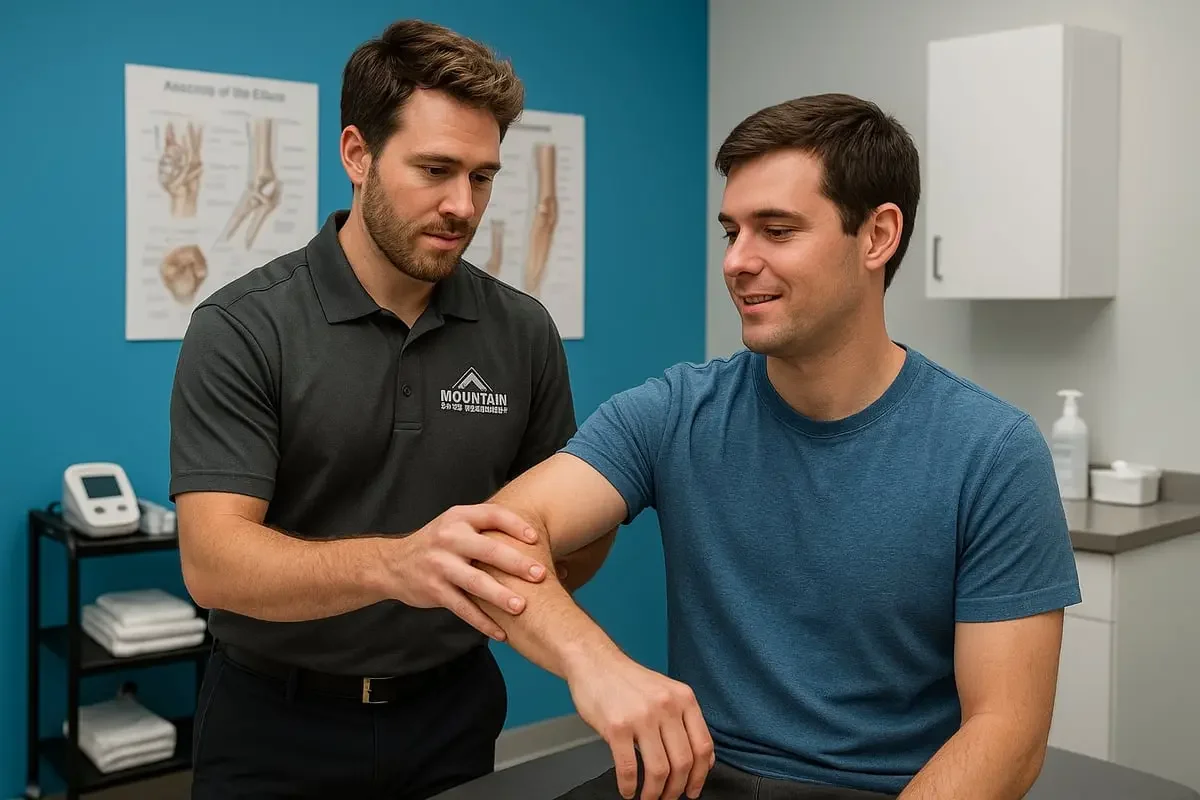
The first step in diagnosing tennis elbow is a detailed clinical evaluation. Practitioners at Mountain Health and Performance begin by listening to your history, including when symptoms started, what activities trigger pain, and any previous injuries.
A thorough physical exam follows, focusing on the outside of the elbow. The provider gently palpates the area, checks for tenderness or swelling, and asks you to perform specific movements. These tests help reveal how tennis elbow affects your grip strength and range of motion.
Understanding the demands of your work, sport, or daily life is essential. This holistic approach ensures the diagnosis considers all factors contributing to tennis elbow, not just the obvious symptoms.
Diagnostic Tools and Imaging
While most cases of tennis elbow can be diagnosed clinically, advanced imaging is sometimes necessary. X-rays help rule out bone fractures or arthritis. If symptoms persist or are severe, ultrasound or MRI may be used to detect tendon damage or inflammation.
Nerve-related symptoms might prompt an EMG to check for nerve compression. At Mountain Health and Performance, the team only recommends these tests when absolutely needed, ensuring you avoid unnecessary procedures. For stubborn cases, therapies like shockwave is considered, with shockwave therapy for chronic tendon pain offering promising results for resistant tennis elbow.
This balanced use of technology and expertise guarantees that your tennis elbow diagnosis is both precise and efficient.
Differentiating from Other Conditions
Tennis elbow shares symptoms with several other conditions, making expert evaluation essential. Golfer’s elbow, for example, affects the inside rather than the outside of the elbow. Other possibilities include radial tunnel syndrome, arthritis, or referred pain from the neck or shoulder.
Clinicians at Mountain Health and Performance use specific clinical maneuvers and targeted questions to distinguish tennis elbow from these overlapping issues. Their multidisciplinary expertise in chiropractic, physiotherapy, and massage therapy allows for a comprehensive assessment, so you receive the right diagnosis from the start.
Accurate identification is the first step toward a tailored treatment plan, helping you return to pain-free movement and daily activities.
Evidence-Based Treatment Options for Tennis Elbow
Effectively managing tennis elbow requires a blend of time-tested strategies and innovative therapies. Mountain Health and Performance in North Vancouver stands at the forefront, offering a comprehensive, multidisciplinary approach tailored to each patient’s needs. Whether you are dealing with acute discomfort or a stubborn chronic case, understanding your options is crucial for lasting relief.
Conservative Home Care Strategies
For most people with tennis elbow, conservative care is the first and often most effective step. The POLICE method - Protect, optimal loading, ice, compression, and elevation - helps reduce inflammation and pain in the early stages. Over-the-counter NSAIDs, such as ibuprofen, can offer symptom relief, but should be used as directed and only for short periods.
Activity modification is essential. Avoid repetitive gripping, lifting, or wrist extension movements that can worsen symptoms. Ergonomic adjustments at work or in sport, along with supportive braces or straps, help offload the affected tendon. These strategies are particularly relevant for those whose daily activities put them at risk of tennis elbow.
Most cases improve within 6 to 12 months with these approaches, but consistency is key. For a deeper dive into home strategies, see Recovering from overuse injuries, which outlines practical steps for tennis elbow recovery. If pain persists after several weeks of self-care, it is time to consider medical or rehabilitative support.
Advanced Medical Interventions
When conservative measures do not provide sufficient relief, advanced therapies may be recommended. Platelet-rich plasma (PRP) injections represent a major advancement for tennis elbow, harnessing the body’s healing factors to repair damaged tissue. Corticosteroid injections can offer short-term pain relief, especially in acute flare-ups, but are used judiciously due to possible side effects.
Shockwave therapy is a standout at Mountain Health and Performance. This non-invasive treatment uses acoustic waves to stimulate tendon healing and tissue regeneration, with strong evidence supporting its effectiveness in stubborn cases. Laser therapy is another innovative option, reducing inflammation and accelerating recovery at the cellular level. Shockwave and laser therapy are often paired together for stubborn cases to help facilitate the recovery.
In rare scenarios where symptoms persist beyond a year, surgical options like tenotomy or arthroscopic release may be considered. However, with the breadth of non-surgical interventions available, surgery is now reserved only for the most severe or recalcitrant cases of tennis elbow.
Rehabilitation and Physical Therapy
Rehabilitation is the cornerstone of long-term success for tennis elbow. At Mountain Health and Performance, physical therapists develop individualized programs focused on restoring strength, flexibility, and functional movement. A typical rehab plan includes:
Targeted stretching and eccentric strengthening exercises for the forearm and wrist
Proprioceptive training to enhance joint stability and prevent recurrence
Ergonomic education for work and sport
Chiropractic care and myofascial techniques play a critical role in optimizing joint mechanics and reducing stress on the elbow. Manual therapy, including soft-tissue massage and dry needling, addresses muscle tension and breaks up adhesions, supporting a faster return to activity.
Massage therapy improves circulation, reduces pain, and promotes tissue healing. Dry needling, performed by skilled practitioners, targets trigger points to relieve chronic muscle tension. By combining these therapies, Mountain Health and Performance offers a patient-centered approach that maximizes outcomes for those suffering from tennis elbow.
Expert Therapies: Chiropractic, Massage, Shockwave & More
Seeking advanced solutions for tennis elbow? At Mountain Health and Performance, a multidisciplinary team brings together the latest therapies to accelerate recovery, reduce pain, and restore function. Discover how expert care can help you reclaim pain-free movement.
How Mountain Health and Performance Supports Tennis Elbow Recovery
Mountain Health and Performance has over 35 years of experience treating elbow and tendon injuries, making them a trusted choice for tennis elbow management in North Vancouver.
Their approach is truly multidisciplinary. Patients benefit from chiropractic, massage therapy, physiotherapy, and advanced modalities under one roof. Each care plan is tailored to the individual, ensuring both acute and chronic tennis elbow cases receive optimal attention.
The clinic simplifies access to care by offering direct billing for extended health insurance, ICBC, and WorkSafe BC. This seamless integration lets you focus on healing while their team handles the paperwork.
Convenient location and flexible hours make it easy for busy professionals and athletes to schedule appointments. Whether you are recovering from a recent tennis elbow flare-up or managing persistent discomfort, Mountain Health and Performance provides comprehensive support every step of the way.
Their focus on education, injury prevention, and hands-on therapies sets a high standard for tennis elbow treatment. The team’s collaborative spirit ensures each patient receives the right blend of therapies to maximize recovery and minimize recurrence.
Chiropractic Care and Myofascial Techniques
Chiropractic care plays a crucial role in restoring joint mechanics and relieving stress on the tendons affected by tennis elbow. Manual adjustments are used to optimize elbow alignment, reduce compensation, and support natural healing.
Myofascial release and targeted soft-tissue therapies help break down adhesions and reduce muscle tension around the elbow. These techniques improve blood flow and promote flexibility, addressing both pain and stiffness.
Patients often notice improved grip strength and greater range of motion after a course of chiropractic care. By integrating these hands-on methods, Mountain Health and Performance addresses the root causes of tennis elbow, not just the symptoms.
Shockwave Therapy and Laser Therapy
Shockwave therapy has emerged as a leading non-invasive treatment for stubborn tennis elbow cases. Acoustic waves stimulate tissue regeneration, break up scar tissue, and accelerate healing in chronically inflamed tendons.
Laser therapy complements this approach by reducing inflammation at the cellular level and promoting rapid tissue repair. These modalities are especially effective for cases that have not responded to standard care.
Mountain Health and Performance stays at the forefront by adopting these research-backed solutions.
Together, these therapies offer hope for athletes, manual workers, and anyone seeking long-term relief from persistent elbow pain.
Massage Therapy
Registered massage therapy (RMT) is a cornerstone in the recovery process for tennis elbow. Skilled therapists use deep tissue techniques to reduce pain, enhance circulation, and support tissue healing.
Personalized plans ensure each tennis elbow patient receives the right combination of massage and dry needling, tailored to their symptoms and lifestyle demands. This focus on individualized care improves comfort and speeds return to activity.
Physiotherapy, Dry Needling, and Rehabilitation Programs
Physiotherapy is essential for restoring strength and flexibility in tennis elbow cases. The process begins with a thorough functional movement assessment to identify weaknesses or imbalances contributing to symptoms.
Dry needling targets trigger points and knots within the forearm and upper arm muscles. This approach relieves tension, decreases muscle guarding, and can accelerate recovery by promoting localized healing responses.
Individualized exercise programs focus on stretching, strengthening, and proprioceptive training. These exercises target the forearm, wrist, and shoulder, promoting balanced muscle function and reducing strain on the elbow.
Education is central to the approach at Mountain Health and Performance. Patients learn proper ergonomics, safe lifting techniques, and strategies to prevent future flare-ups. Consistent physiotherapy helps tennis elbow sufferers achieve lasting results and return to their favorite activities with confidence.
Integrated Care and Patient-Centered Approach
Optimal recovery from tennis elbow often requires a blend of therapies. At Mountain Health and Performance, multidisciplinary collaboration is the norm, not the exception.
The team works closely to set achievable goals, track progress, and adjust treatment plans as needed. Patient education is ongoing, empowering individuals to take charge of their elbow health.
Real-life success stories from the clinic highlight dramatic improvements in pain, function, and quality of life. This integrated, patient-centered approach ensures every tennis elbow case receives the comprehensive attention it deserves.
Prevention & Long-Term Management: Staying Pain-Free
Proactive prevention and ongoing management are essential for anyone aiming to stay pain-free from tennis elbow. At Mountain Health and Performance, the focus is on a multidisciplinary approach that not only treats symptoms but also empowers you to prevent recurrence. By combining advanced therapies with practical daily strategies, patients can maintain healthy, resilient elbows for life.
Preventing Recurrence of Tennis Elbow
Preventing tennis elbow from returning starts with identifying and adjusting high-risk activities. The team at Mountain Health and Performance guides patients to modify motions that strain the elbow, like repetitive gripping or heavy lifting. Attention to proper technique, whether in sports or at work, minimizes tendon stress.
Therapies such as shockwave therapy, laser therapy, and physiotherapy play a crucial role in long-term prevention. These treatments promote tissue healing and restore muscle balance. Massage therapy and chiropractic myofascial work further release tension and correct movement patterns, while personalized rehabilitation helps reinforce strength and flexibility.
Supportive gear, like braces or ergonomic tools, adds another layer of protection, especially during repetitive tasks. By building awareness and resilience, patients can reduce their risk of recurring tennis elbow.
Monitoring and Early Intervention
Staying pain-free requires vigilance for early warning signs of tennis elbow. If you notice recurring discomfort, stiffness, or reduced grip strength, it is important to act promptly. Mountain Health and Performance emphasizes early assessment and intervention, which can prevent minor issues from turning into chronic pain.
Regular check-ins with your care team help track progress and flag potential setbacks. Therapies like dry needling, manual therapy, and tailored exercise programs can address small problems before they escalate. For additional strategies, explore comprehensive tennis injury prevention strategies to further reduce your risk.
By responding quickly to changes, you maintain control over your recovery and support long-term elbow health.
Lifestyle Tips for Elbow Health
Daily habits play a major role in preventing tennis elbow. Begin each activity with a warm-up to prepare your muscles and tendons. Integrate stretching and strengthening exercises for your forearm, wrist, and shoulder into your routine, as recommended by your rehab team.
Maintain ergonomic workspaces, whether at home or on the job. Use tools or supports that minimize strain on your elbow. Balance periods of activity with adequate rest to avoid overuse injuries.
Healthy lifestyle choices, such as managing weight and quitting smoking, also contribute to resilient tendons. With education and ongoing support from Mountain Health and Performance, you can integrate these practices into your daily life, making pain-free movement the norm.
If you’re ready to move past stubborn elbow pain and regain your confidence in daily activities or sports, taking the next step is easier than you might think. At Mountain Health and Performance, we combine decades of expertise in sports injury recovery with some of the latest, most effective therapies discussed in this guide, including shockwave treatment, which can be a turning point for persistent tennis elbow. You don’t have to wait for lasting relief or try to manage symptoms on your own. Let’s work together to restore your mobility and comfort. Book with one of our practitioners today.