7 Soft Tissue Massage Techniques for Effective Pain Relief
Chronic pain affects millions, making daily life a struggle for many and each year, more people are seeking non-invasive solutions to regain comfort and mobility.
This article examines seven soft tissue massage techniques trusted by professionals to relieve pain and support recovery. Each approach is backed by science and tailored by registered massage therapists.
You will discover how these methods work, their unique advantages, and what to expect during a session with an RMT. Understanding these options empowers you to make informed choices for your health.
If you want lasting relief, explore proven strategies and consider professional care to achieve real, measurable results.
Understanding Soft Tissue Massage and Its Role in Pain Relief
Soft tissue massage techniques are a cornerstone of modern pain management, offering more than just relaxation. These hands-on methods focus on manipulating muscles, fascia, tendons, and ligaments to address pain, restore movement, and promote the body’s natural healing processes.
Unlike general relaxation massages, soft tissue massage techniques are designed with specific therapeutic objectives. The primary goals include reducing pain, improving mobility, and accelerating recovery from injury or chronic conditions. Registered massage therapists (RMTs) at Mountain Health and Performance use these techniques as part of targeted treatment plans, ensuring each session is tailored to the individual’s needs.
The science behind soft tissue massage techniques lies in their ability to influence the body’s soft tissues at a cellular level. By applying pressure and movement, RMTs stimulate blood flow, enhance oxygen delivery, and assist the removal of metabolic waste. This physiological response helps decrease muscle tension, break down adhesions, and improve lymphatic drainage, which is essential for reducing swelling and supporting immune function.
Key benefits of soft tissue massage techniques include increased flexibility, enhanced range of motion, and relief from chronic or acute pain. Many clients report improved posture, faster recovery after exercise or injury, and a general sense of well-being. These benefits make soft tissue massage techniques a valuable option for people managing sports injuries, postural imbalances, or persistent musculoskeletal discomfort.
Scientific evidence continues to support the effectiveness of soft tissue massage techniques for a variety of pain conditions. Recent studies have shown that massage can significantly reduce pain intensity and improve function in individuals with back pain, headaches, and arthritis. For example, massage therapy for back pain highlights its role in reducing discomfort and supporting long-term recovery, especially when integrated into comprehensive care plans.
It is important to distinguish soft tissue massage techniques from other manual therapies such as chiropractic adjustments or physiotherapy. While all these approaches aim to improve musculoskeletal health, soft tissue massage techniques focus on direct manipulation of muscles and connective tissues, whereas chiropractic adjustments often targets joint alignment and many physiotherapy approaches emphasize exercise and movement re-education.
Professional assessment by an RMT is critical to achieving optimal results. RMTs develop individualized treatment plans based on a thorough understanding of a client’s medical history, pain patterns, and functional goals. This personalized approach ensures that soft tissue massage techniques are applied safely and effectively, maximizing benefits while minimizing risks.
A common misconception is that massage is purely for relaxation. In reality, the soft tissue massage techniques used by RMTs are evidence-based interventions with measurable effects on pain, function, and quality of life. These therapeutic methods are an integral part of post-injury rehabilitation and chronic pain management, helping clients regain mobility and return to daily activities with confidence.
Whether you are recovering from an injury or seeking relief from long-standing pain, soft tissue massage techniques offer a professional, science-backed solution for lasting improvement.
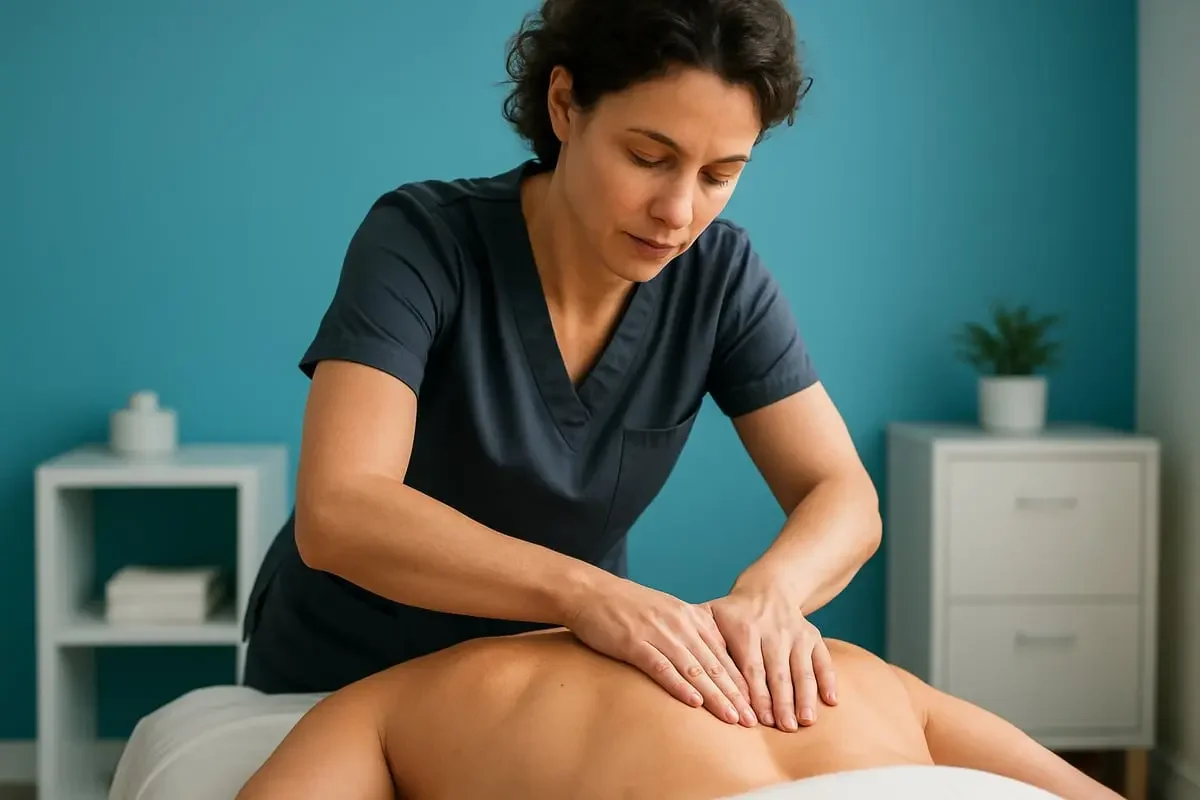
When to Consider Professional Soft Tissue Massage for Pain Management
Chronic pain and restricted movement can disrupt your daily life. Knowing when to seek professional help is essential. Registered Massage Therapists (RMTs) at Mountain Health and Performance use advanced soft tissue massage techniques tailored to your needs. These methods do more than provide relaxation. They address the underlying causes of pain and support long-term healing.
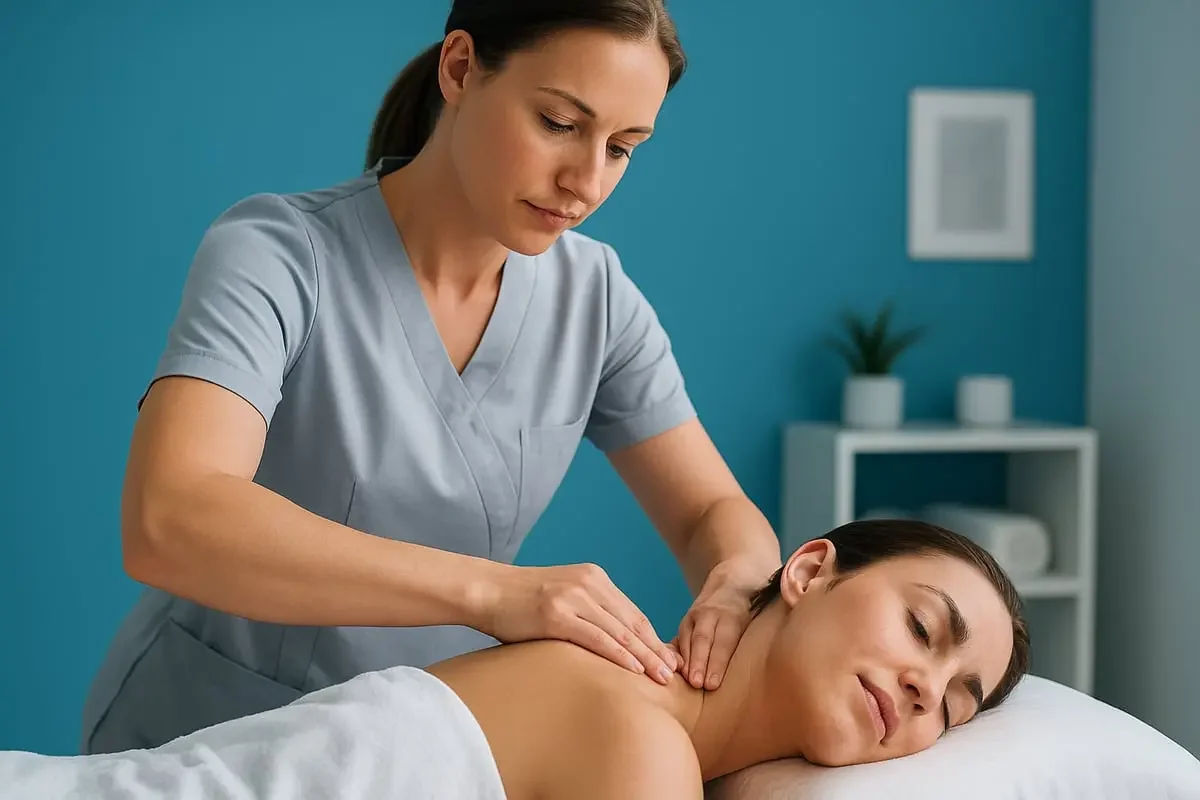
Recognizing When to Seek Professional Care
Persistent soreness, stiffness, or pain that does not resolve with rest may signal the need for soft tissue massage techniques delivered by a qualified RMT. If you notice restricted movement, difficulty recovering from injury, or experience ongoing tension related to stress, it is time to consider expert intervention.
Early action can help prevent pain from becoming chronic. RMTs are trained to assess your symptoms, identify the root causes, and recommend the right approach. They use a range of soft tissue massage techniques to address muscle tightness, fascial restrictions, and tension patterns that self-care alone cannot resolve.
Common Pain Conditions Addressed
Soft tissue massage techniques are effective for a wide range of conditions, including:
Back and neck pain
Sports injuries
Headaches and migraines
Postural imbalances
Arthritis and joint stiffness
RMTs often work with clients experiencing complex pain or recovering from musculoskeletal injuries.
What to Expect from Your First Session
During your initial appointment, the RMT conducts a detailed assessment. This includes a review of your health history, pain patterns, and movement restrictions. Based on these findings, the therapist designs a personalized treatment plan using the most appropriate soft tissue massage techniques.
You can expect a collaborative approach, with the RMT explaining each technique and its intended benefits. Clear communication ensures your comfort and safety throughout the session. Treatment goals, session frequency, and home care advice are discussed to maximize results.
Safety, Collaboration, and Case Example
Soft tissue massage techniques are safe for most people when performed by skilled professionals. However, RMTs review your medical history to identify any contraindications, such as acute injuries or certain health conditions. In many cases, they collaborate with other healthcare providers, including physiotherapists and chiropractors, to deliver integrated care.
For example, a patient recovering from a sports injury may benefit from a multidisciplinary plan. The RMT uses targeted soft tissue massage techniques alongside prescribed exercises and medical oversight, accelerating recovery and reducing pain.
7 Soft Tissue Massage Techniques for Effective Pain Relief
Soft tissue massage techniques are the cornerstone of effective pain relief and rehabilitation at Mountain Health and Performance. Registered Massage Therapists (RMTs) employ a range of specialized methods to address the unique needs of each client. These techniques are not interchangeable; each offers distinct physiological benefits and targets specific pain mechanisms. Below, we explore seven professional soft tissue massage techniques proven to reduce pain, restore mobility, and promote healing.
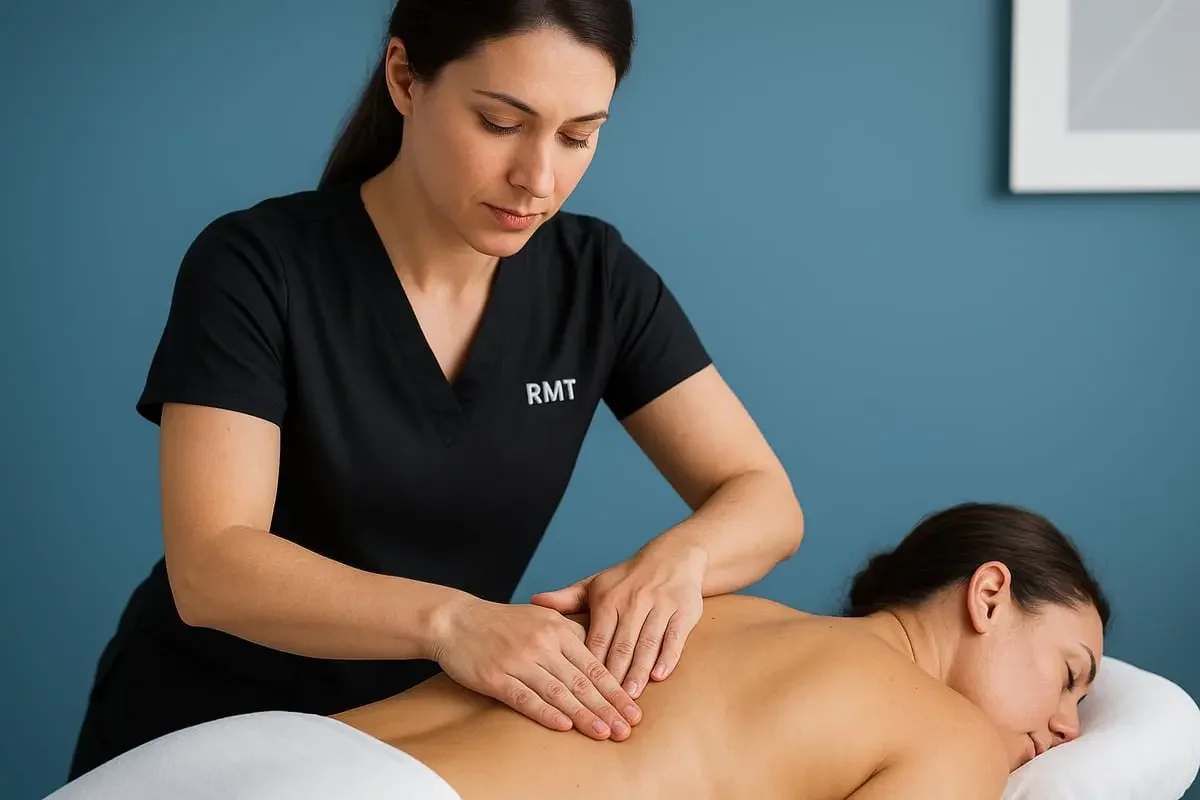
1. Effleurage (Gliding Strokes)
Effleurage is one of the foundational soft tissue massage techniques used by RMTs. It consists of long, gliding strokes performed with the palms or forearms, typically moving in the direction of blood flow. This gentle yet purposeful approach warms up the superficial tissues and prepares the body for deeper work.
The primary objectives of effleurage are to:
Increase local circulation
Promote lymphatic drainage
Reduce muscle tension
Assess tissue quality and identify areas of concern
Effleurage is often the first and last technique used in a session. It creates an initial sense of relaxation and trust, allowing the therapist to evaluate the client's pain points and overall tissue health. Studies have shown that effleurage can decrease anxiety and lower stress hormones, directly contributing to pain reduction.
Clients experiencing tension headaches, postural discomfort, or generalized soreness may benefit greatly from effleurage. For example, an RMT may begin a session for a client with chronic neck pain using these gliding strokes to ease muscle stiffness before progressing to deeper soft tissue massage techniques.
There are several variations within effleurage, including changes in speed, pressure, and hand positioning. RMTs tailor these variables to suit individual needs, ensuring optimal results. Effleurage is not just a warm-up; it is a vital tool for delivering therapeutic benefits and setting the stage for subsequent soft tissue massage techniques.
2. Petrissage (Kneading and Squeezing)
Petrissage is another essential method in the suite of soft tissue massage techniques. It involves rhythmic kneading, lifting, rolling, and squeezing of the muscles and underlying connective tissues. The therapist uses their hands, fingers, or thumbs to manipulate larger muscle groups, such as the back, thighs, and shoulders.
The goals of petrissage include:
Breaking down adhesions and scar tissue
Enhancing tissue elasticity
Stimulating blood flow and nutrient exchange
This technique is particularly effective for individuals with chronic muscle tightness or limited flexibility. Athletes recovering from intense training sessions or injuries often benefit from petrissage, as it helps reduce delayed onset muscle soreness (DOMS) and accelerates recovery.
Research indicates that regular use of petrissage as part of soft tissue massage techniques leads to improved muscle function and reduced pain after strenuous activity. For instance, a runner dealing with persistent thigh tightness may experience notable relief and improved performance following targeted petrissage.
Proper hand placement and pressure control are crucial for maximizing the benefits of this technique. RMTs at Mountain Health and Performance are trained to adjust their approach based on tissue response, ensuring client comfort and safety throughout the session.
3. Friction Techniques
Friction techniques are specialized soft tissue massage techniques that target localized areas of tension and dysfunction. These techniques involve applying deep, focused pressure with the fingers or thumbs, using either circular or transverse (cross-fiber) motions to address specific muscle fibers, tendons, or ligaments.
The main purposes of friction techniques are:
Breaking down scar tissue and adhesions
Realigning muscle fibers for optimal function
Stimulating local circulation to promote healing
Friction is most commonly used for treating chronic knots, trigger points, and tendon-related injuries such as tennis elbow or shoulder impingement. Clinical evidence supports the use of friction massage in managing tendinopathies and repetitive strain injuries, highlighting its value within the broader spectrum of soft tissue massage techniques.
A key insight is that friction techniques require thorough anatomical knowledge to avoid aggravating sensitive structures. RMTs carefully assess the area before applying pressure, always monitoring the client's feedback to ensure therapeutic benefit without excessive discomfort.
For example, a client with a history of repetitive wrist strain may receive focused friction work on the affected tendons, leading to reduced pain and improved range of motion. This targeted approach is a testament to the precision and effectiveness of professional soft tissue massage techniques.
4. Myofascial Release
Myofascial release is a gentle, sustained approach within soft tissue massage techniques, designed to address restrictions in the fascia (the connective tissue that surrounds muscles and organs). RMTs apply slow, steady pressure to areas of tightness, allowing the fascia to lengthen and release naturally.
This technique serves several important functions:
Restoring normal tissue length and flexibility
Reducing chronic pain and stiffness
Improving postural alignment and movement patterns
Myofascial release is especially beneficial for clients with chronic pain syndromes, fibromyalgia, or postural imbalances resulting from prolonged sitting or repetitive activities. Evidence shows that myofascial release can significantly improve pain and function in individuals with myofascial pain syndrome.
For instance, an office worker suffering from upper back and neck tension may experience lasting relief after a series of myofascial release sessions. The slow, mindful engagement with the tissue distinguishes this technique from more aggressive soft tissue massage techniques.
Therapists often integrate myofascial release with other methods to create a comprehensive treatment plan. To learn more about this approach and its applications, visit Myofascial release techniques.
5. Trigger Point Therapy
Trigger point therapy is a focused intervention among soft tissue massage techniques, targeting hyperirritable spots within muscle fibers known as trigger points. These points can cause both localized and referred pain, often mimicking other musculoskeletal conditions.
The primary aims of trigger point therapy are:
Deactivating trigger points and muscle knots
Alleviating referred pain patterns
Restoring normal muscle function
RMTs use precise, sustained pressure to release the affected areas, often relying on client feedback to gauge intensity and effectiveness. Research supports the use of trigger point therapy in reducing the frequency and severity of tension headaches, neck pain, and chronic musculoskeletal discomfort.
An example is a client experiencing migraines that originate from tightness in the neck and shoulders. By systematically addressing trigger points in these regions, RMTs can provide significant relief and prevent recurrence.
This technique requires skillful palpation and a deep understanding of anatomy. The therapist incrementally increases pressure, ensuring the client remains comfortable and engaged throughout the process. Trigger point therapy is a cornerstone of advanced soft tissue massage techniques for pain management.
6. Deep Tissue Massage
Deep tissue massage is a powerful component of soft tissue massage techniques, focusing on the deeper layers of muscle and fascia. RMTs use firm, deliberate pressure and slow strokes to address chronic pain, muscle stiffness, and postural imbalances.
Key benefits of deep tissue massage include:
Breaking down adhesions and scar tissue
Improving range of motion and flexibility
Supporting injury rehabilitation and recovery
This technique is ideal for clients with persistent pain or restricted movement, such as office workers with chronic lower back discomfort. Studies have demonstrated that deep tissue massage can produce significant improvements in low back pain and overall function.
Communication is crucial during deep tissue massage. RMTs at Mountain Health and Performance consistently check in with clients to ensure the pressure is therapeutic but not overwhelming. This collaborative approach maximizes outcomes and minimizes the risk of post-treatment soreness.
For a comprehensive look at the advantages and clinical applications of this method, see Deep tissue massage benefits.
7. Muscle Energy Techniques (MET)
Muscle Energy Techniques (MET) are unique soft tissue massage techniques that combine active participation from the client with controlled resistance from the therapist. The client performs gentle muscle contractions against the therapist's resistance, followed by relaxation and passive stretching.
MET offers several advantages:
Lengthening shortened muscles and improving flexibility
Restoring normal joint mobility
Reducing pain without aggressive force
This technique is particularly useful for clients with restricted neck rotation, hamstring tightness, or hip mobility issues. Clinical trials have shown that MET can increase range of motion and provide effective pain relief as part of a comprehensive soft tissue massage techniques plan.
An example is an athlete recovering from a hamstring strain who struggles with flexibility. Through targeted MET sessions, the therapist helps restore function and prevent re-injury.
RMTs guide clients through specific contraction and relaxation phases, customizing each session to the individual's needs and goals. MET is safe, non-invasive, and effective, making it a valuable addition to the array of soft tissue massage techniques available at Mountain Health and Performance.
What to Expect from a Registered Massage Therapist (RMT) Session
Visiting a registered massage therapist (RMT) for soft tissue massage techniques is a comprehensive experience focused on pain relief and mobility restoration. Your initial session begins with a detailed assessment, where the therapist reviews your health history, current symptoms, and specific goals. This collaborative approach ensures your treatment plan is tailored precisely to your needs.
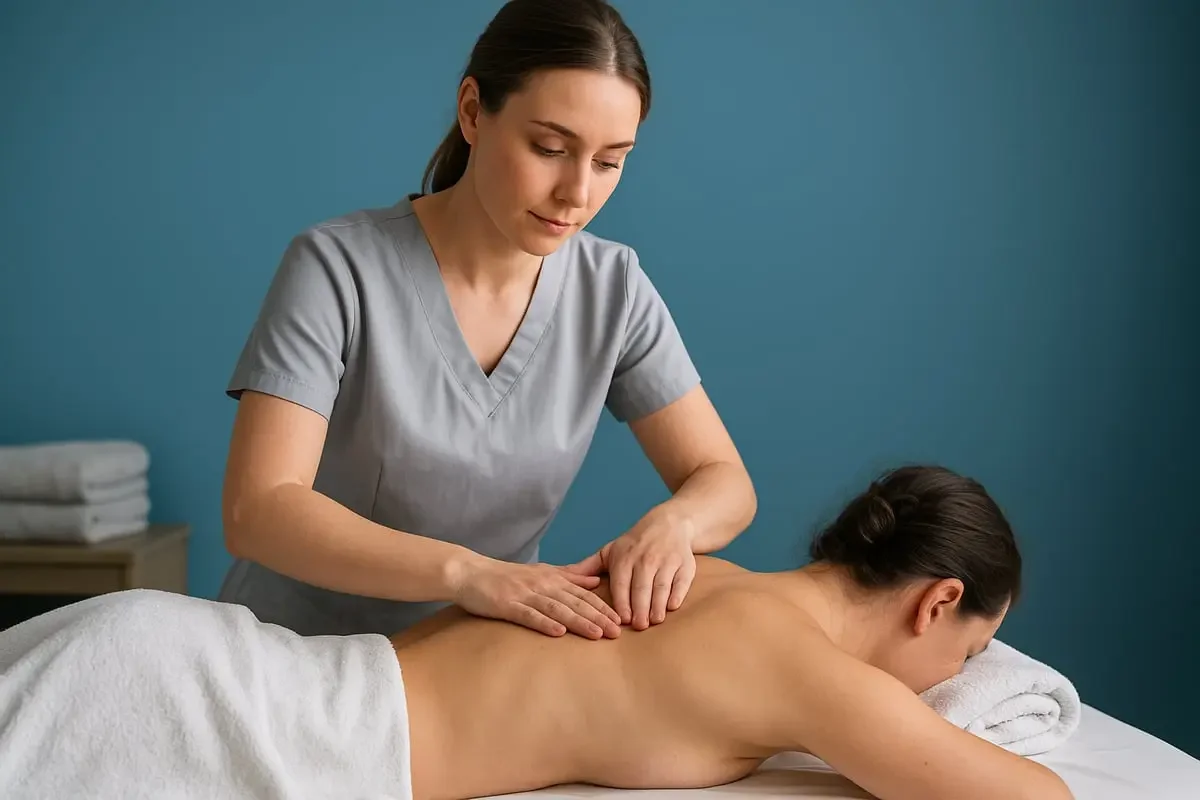
What Happens During Your Session
During your appointment, the RMT will explain which soft tissue massage techniques are most suitable for your condition. These may include effleurage, petrissage, friction, or more targeted methods such as trigger point therapy. Each technique is selected based on your pain patterns, muscle tension, and individual preferences.
Expect open communication throughout the session. The therapist will check in regularly, adjusting pressure and technique as needed to ensure your comfort and maximize therapeutic benefit. For a more detailed overview of what a massage therapy visit involves, the Mayo Clinic provides a helpful guide.
Tailoring Soft Tissue Massage Techniques to Your Needs
One of the main advantages of professional care is the customization of soft tissue massage techniques. RMTs at Mountain Health and Performance use their expertise to assess tissue quality, range of motion, and specific pain triggers. For example, if you experience chronic neck pain, the therapist may integrate myofascial release and friction methods, focusing on problem areas while monitoring your feedback.
Treatment plans are often adjusted over time. Your therapist may incorporate different techniques, such as trigger point massage therapy, to address persistent discomfort or evolving symptoms. This flexibility is key to achieving lasting results.
Communication, Aftercare, and Follow-Up
Your session does not end when you leave the clinic. RMTs provide aftercare advice, including gentle stretches, hydration tips, and guidance on activity modification. Ongoing communication helps track your progress and refine future sessions for optimal outcomes.
Session frequency varies, but most pain management plans involve regular visits, especially in the early stages. A well-structured approach ensures the full benefits of soft tissue massage techniques are realized over time. When choosing an RMT, look for credentials, experience with your condition, and a commitment to individualized care. This partnership supports your journey to pain relief and improved mobility.
Integrating Soft Tissue Massage into a Holistic Pain Management Plan
Combining soft tissue massage techniques with other evidence-based therapies creates a comprehensive strategy for lasting pain relief. Registered massage therapists at Mountain Health and Performance work closely with chiropractors and physiotherapists to address the root causes of discomfort. This collaborative approach ensures that soft tissue massage techniques are tailored to each client's unique needs and integrated effectively within broader treatment plans.
Patient education and active self-care are vital components of recovery. RMTs provide guidance on posture, movement, and home care to support healing between sessions. For example, a client recovering from a workplace injury may receive soft tissue massage techniques alongside targeted exercise and ergonomic adjustments, enhancing both comfort and function. This integrative model positions massage therapy as both a standalone and adjunctive option, empowering individuals to achieve sustained pain management.
If you’re ready to experience real relief from persistent pain and regain your mobility, taking the next step with a registered massage therapist can make all the difference. We’ve explored how targeted soft tissue massage techniques—like effleurage, myofascial release, and deep tissue work—are backed by science and tailored to your unique needs. At Mountain Health and Performance, our experienced team is here to support your recovery with personalized care in a welcoming environment. Let’s work together on a plan that helps you feel your best again. Book with one of our massage therapists today.