Essential Guide to Dance Injury Prevention
Every dancer dreams of performing at their peak, but injury can turn that dream into a nightmare. As dance participation grows rapidly around the world, the need for effective dance injury prevention has never been more urgent. This guide is designed to equip dancers, teachers, and parents with the latest strategies to stay injury free. You will discover some of the most common injuries, key risk factors, proven prevention methods, step-by-step routines, the importance of mental wellbeing, and new trends shaping the future of dance health. Take the first step toward safer, stronger performances with this essential resource.
Understanding Dance Injuries: Types, Prevalence, and Impact
Dance injury prevention starts with a clear understanding of the injuries dancers most often face. Each genre, age group, and training intensity brings its own set of risks. By examining the types, prevalence, and true impact of these injuries, dancers, teachers, and parents can make informed decisions to protect health and longevity in dance.
Common Types of Dance Injuries
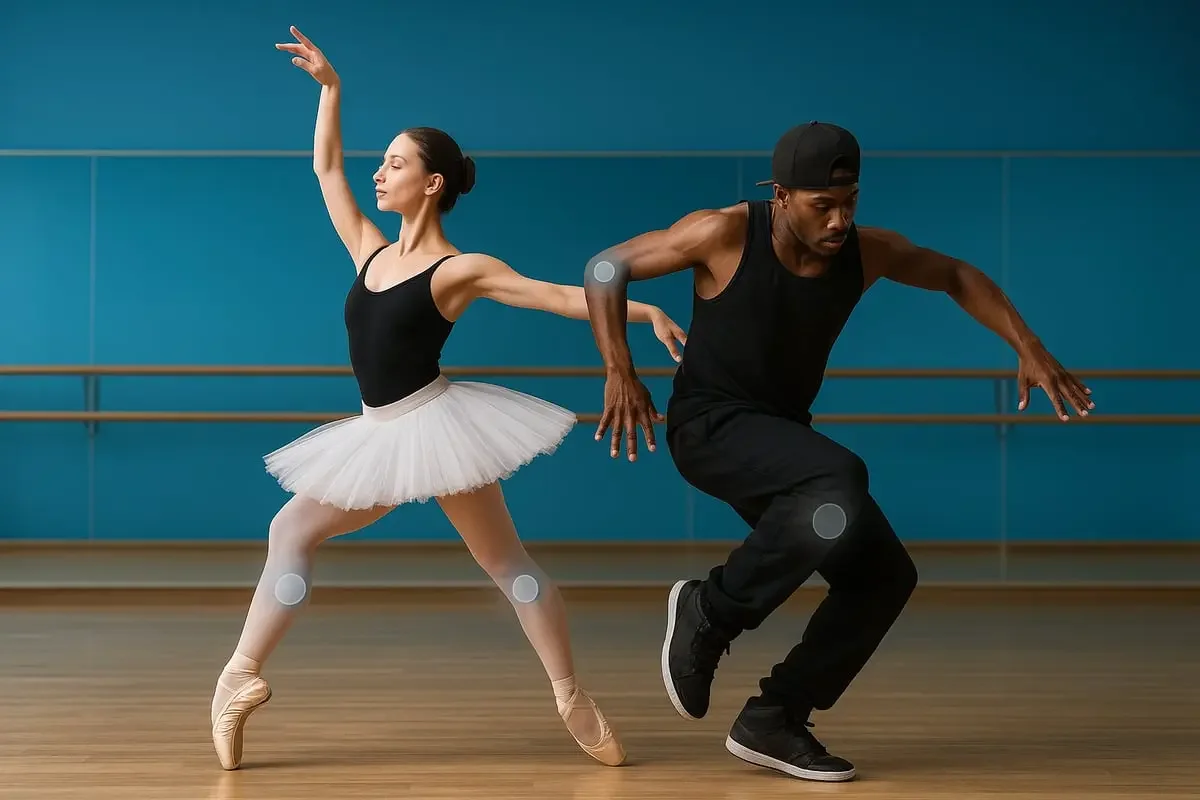
Sprains and strains top the list of injuries in dance, affecting ankles, knees, and backs across all styles. Overuse injuries, such as tendonitis and stress fractures, are especially common in high-impact genres like ballet and contemporary.
Chronic injuries develop over time from repetitive movement, while acute injuries happen suddenly, often during jumps or fast footwork. For example, ankle sprains in ballet and knee injuries in hip-hop are frequent and can sideline dancers for weeks.
Recent research highlights that dance ranks among the highest youth activities for injury rates. This context underscores why dance injury prevention must address both the sudden and slow-building threats dancers encounter daily.
Prevalence and Demographics
Injury rates vary with experience and age. Recreational dancers report fewer injuries than pre-professional or professional dancers, but everyone faces risk. Notably, up to 80% of dancers experience at least one injury each year (Vassallo et al., 2018).
Younger dancers may suffer more from growth-related issues, while adults contend with overuse. Gender also plays a role, with female dancers more prone to certain injuries due to anatomical and biomechanical differences.
A recent analysis of dance injury statistics from 2014-2018 reveals clear patterns in injury type and frequency across genres, reinforcing the urgency of targeted dance injury prevention strategies.
The Physical and Emotional Impact of Injuries
When injury strikes, dancers lose valuable training and performance time. For some, a single injury can threaten a professional career or derail years of preparation for a pivotal role.
The emotional toll is just as significant. Anxiety, depression, and a persistent fear of re-injury are common, especially when returning to the studio. Real-life stories abound of dancers missing career-defining opportunities due to injury setbacks.
Long-term, repeated injuries can lead to chronic pain and mobility issues, affecting overall health and quality of life well beyond a dancer’s active years. This makes proactive dance injury prevention crucial for every dancer’s future.
The Cost of Dance Injuries
The financial burden of dance injuries can be substantial. Treatment and rehabilitation expenses add up quickly, and missed auditions or shows translate to lost income and opportunities.
Studios and organizations also feel the impact through disrupted schedules and increased insurance costs. Investing in dance injury prevention is not only wise for individual dancers but essential for the sustainability of the entire dance community.
Key Risk Factors for Dance Injuries
Understanding the root causes of dance injuries is essential for effective dance injury prevention. These risks are often a blend of physical, environmental, and psychological elements that can impact dancers of all ages and skill levels.
Intrinsic Risk Factors
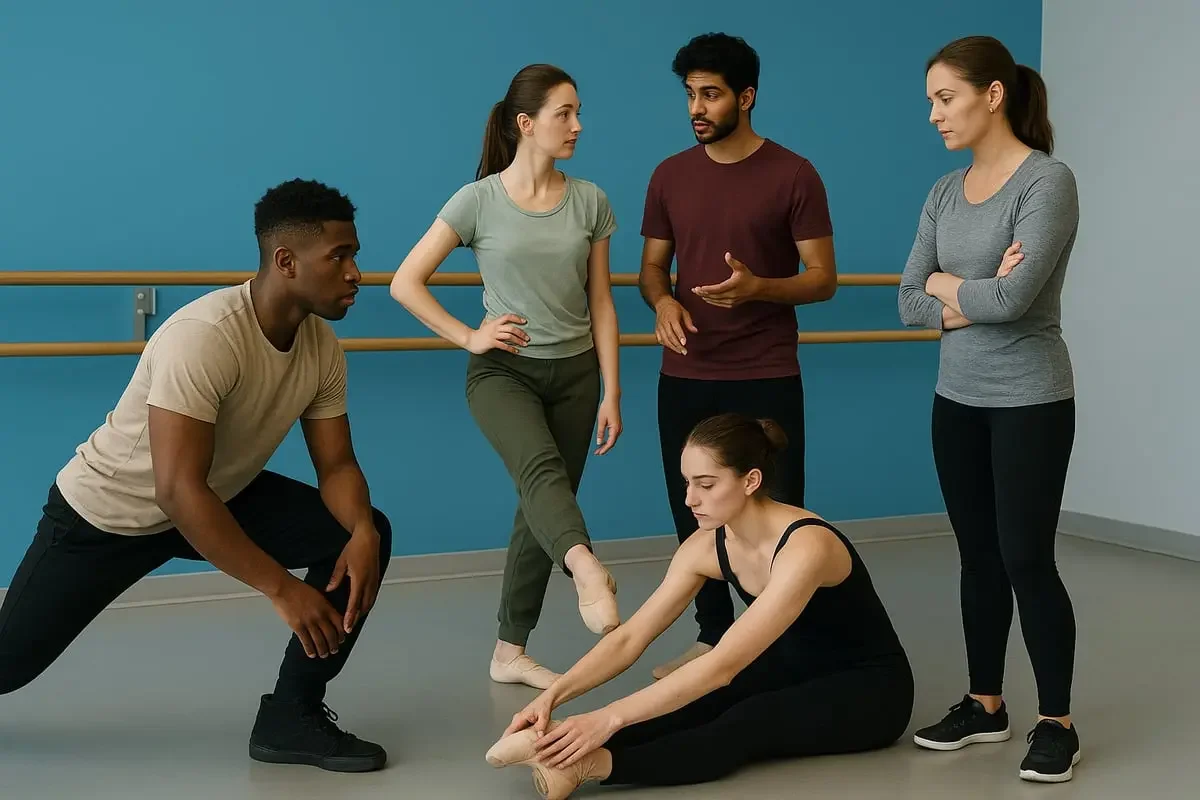
Intrinsic risk factors are those that originate from within the dancer's own body. Biomechanical challenges, such as limited flexibility, muscle imbalances, and joint hypermobility, can all increase the likelihood of injury. Dancers with a history of previous injuries face a higher risk of recurrence, especially if recovery was incomplete. Adolescent dancers are particularly susceptible due to rapid growth spurts, which can temporarily alter balance and coordination.
Fatigue and inadequate physical conditioning are major contributors to injuries. When muscles are tired or not strong enough to support complex movements, the body becomes more vulnerable. For a detailed look at typical risks and how to address them, see this Common dance injuries and prevention resource.
Extrinsic Risk Factors
Extrinsic risk factors stem from the dance environment or training practices. Rapid increases in training intensity, poor technique, and lack of structured warm-up or cool-down routines can all elevate injury risk. Unsafe dance surfaces and inappropriate footwear create hazardous conditions, making even simple movements dangerous.
Scheduling is another critical factor. Overtraining, packed rehearsal schedules, and insufficient rest prevent the body from recovering properly. Studios and teachers should prioritize safe training loads and ensure that dancers have access to supportive flooring and proper shoes. Integrating these precautions is a key part of dance injury prevention.
Psychological and Social Factors
Mental and social pressures play a significant role in dance injury prevention. Dancers often feel compelled to meet high expectations, which can lead to pushing through pain or taking unnecessary risks. Perfectionism, competitive environments, and lack of injury prevention education further increase vulnerability.
Peer influence and instructor attitudes can also shape behavior. When dancers see others ignoring pain or skipping recovery steps, they may follow suit. Building awareness and prioritizing mental health are just as important as physical preparation.
Evidence from Recent Research
Recent systematic reviews highlight the strong connection between these risk factors and injury rates. However, inconsistent injury surveillance across dance genres makes it difficult to compare data. Experts recommend adopting standardized definitions and monitoring tools to improve the effectiveness of dance injury prevention programs.
Ongoing research continues to underscore the need for comprehensive approaches that address physical, environmental, and psychological contributors. By staying informed and proactive, dancers and teachers can minimize risk and foster safer practices.
Evidence-Based Strategies for Dance Injury Prevention
Building a solid foundation for dance injury prevention requires more than just good intentions. It demands a blend of up-to-date science, practical routines, and a commitment to continuous improvement. By incorporating proven strategies, dancers can reduce their risk of injury while maximizing performance and longevity.
Conditioning and Exercise Programs
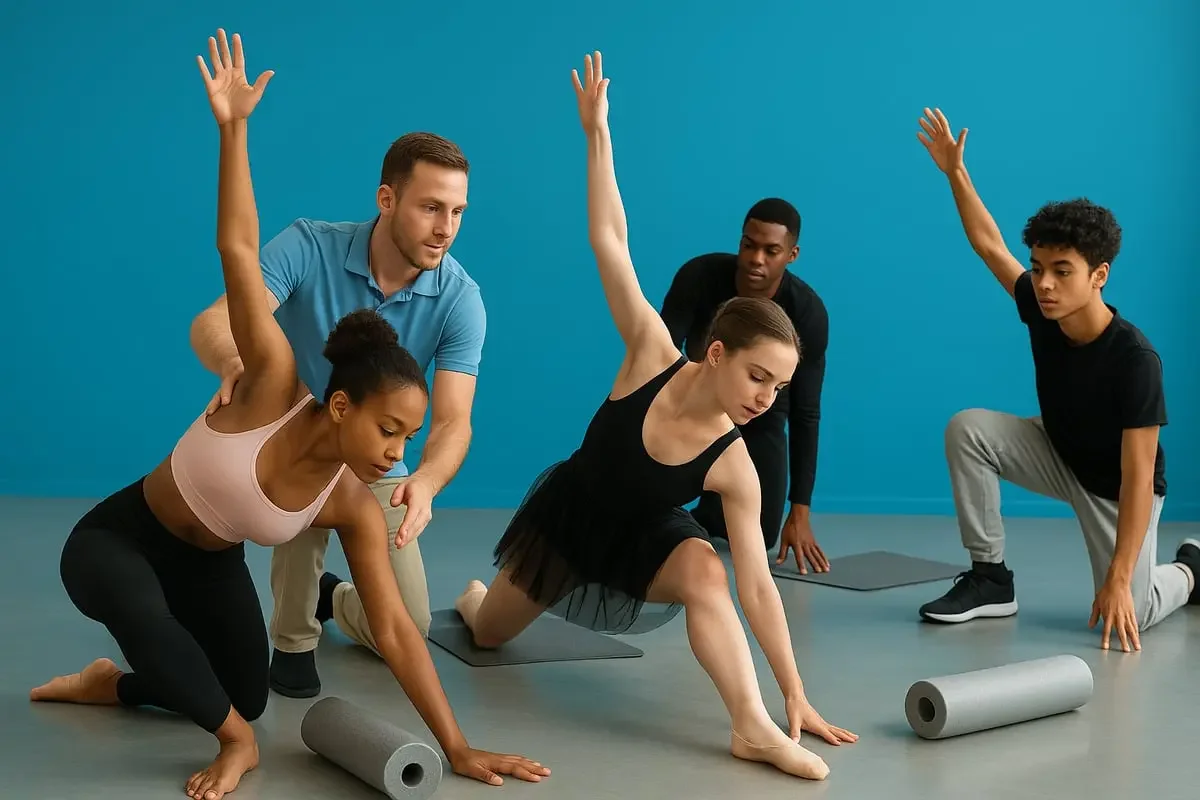
Targeted conditioning is central to effective dance injury prevention. Dancers need strong core and lower limb muscles, which help stabilize joints and absorb shock during demanding movements. Flexibility and mobility training, tailored to each dance style, further lower injury risk.
A typical program includes:
Strength training (e.g., squats, lunges, core work)
Mobility drills (dynamic stretching, controlled articular rotations)
Balance exercises (single-leg stands, wobble board drills)
Recent studies indicate that structured conditioning programs can reduce injury rates in dancers. For those seeking practical guidance, resources like Mobility training for injury prevention provide actionable exercises to enhance flexibility and joint health. Regular conditioning is a proactive step toward comprehensive dance injury prevention.
Warm-Up and Cool-Down Protocols
Proper warm-up and cool-down routines are critical for dance injury prevention. A warm-up should last at least 10 minutes and include dynamic movements that activate key muscle groups and prepare joints for action.
Effective warm-up elements:
Light cardio (jumping jacks, jogging)
Dynamic stretching (leg swings, arm circles)
Neuromuscular drills (balance, coordination tasks)
Cool-down routines use static stretching and relaxation techniques, such as foam rolling, to aid recovery and flexibility. Consistent pre and post-dance routines help prevent injuries and ensure dancers are ready for their next session. Making these protocols routine is a cornerstone of dance injury prevention.
Technique and Training Modifications
Attention to technique is a powerful tool in dance injury prevention. Dancers should focus on maintaining correct alignment and movement mechanics throughout training and performance.
Key training modifications:
Use progressive overload, increasing difficulty gradually
Cross-train with low-impact activities, like swimming or Pilates
Regularly review and refine dance technique with instructors
Incorporating variety in training helps prevent overuse injuries. Dancers and teachers must prioritize safe skill progression and adapt routines based on individual readiness. By refining technique and adjusting training loads, dance injury prevention becomes an achievable, ongoing goal.
Educational and Psychological Interventions
Education and psychological support are often overlooked in dance injury prevention, yet they are essential. Workshops on injury risks and prevention strategies empower dancers, teachers, and parents to make informed decisions.
Support systems should include:
Mental health resources to manage stress and performance pressure
Peer support groups for open communication
Regular check-ins with qualified professionals
Building resilience and fostering a culture that values safety can dramatically reduce injury rates. When dancers are educated and feel supported, they are more likely to adopt safer practices, making dance injury prevention a shared responsibility and a sustainable practice.
Step-by-Step Guide: Implementing an Injury Prevention Routine
Building a safe and effective dance injury prevention routine requires a clear, step-by-step approach. By following these four essential steps, dancers, educators, and parents can create a safer environment and reduce the risk of injury in every dance setting.
Step 1: Pre-Participation Screening and Assessment
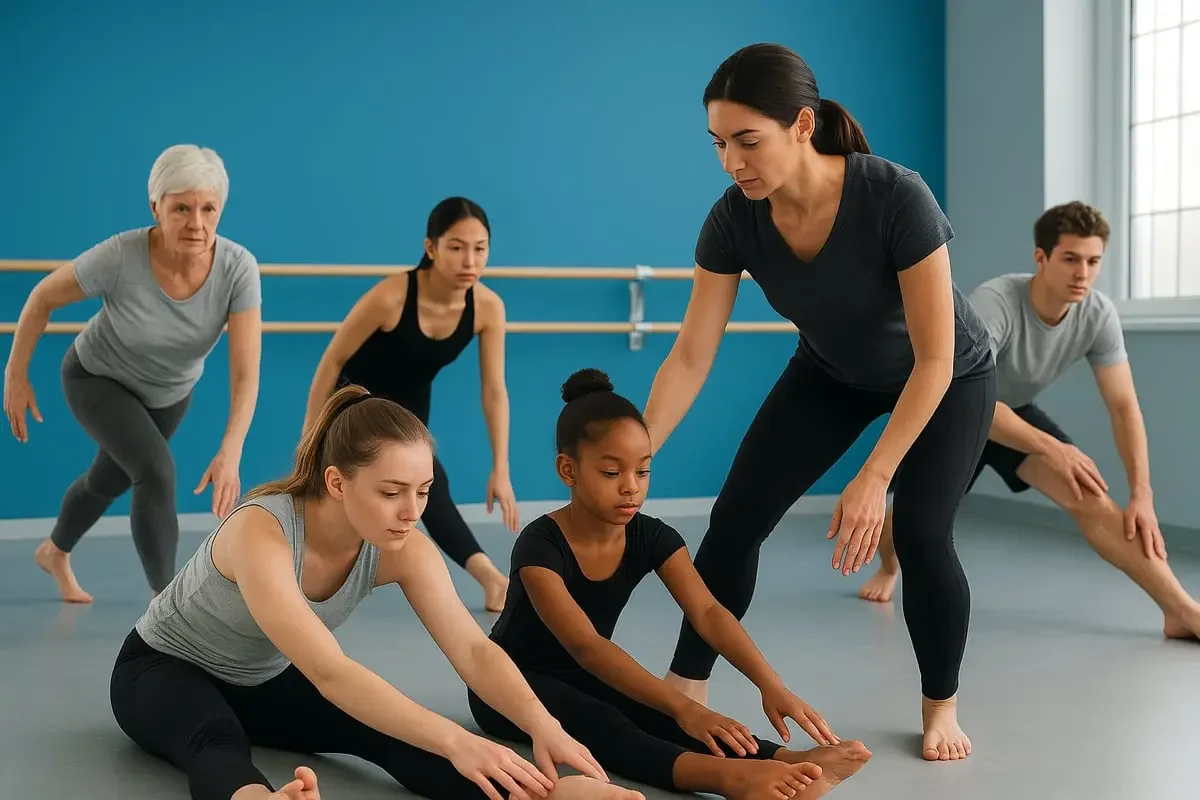
Start your dance injury prevention journey with a professional screening. A qualified dance medicine specialist or physiotherapist assesses each dancer's flexibility, strength, and history of injuries. This step uncovers individual risk factors and highlights areas for improvement.
Common assessments include:
Range of motion testing
Strength evaluation
Balance and postural analysis
These findings help set personalized goals. For example, a dancer with limited ankle flexibility might focus on targeted mobility work. Early identification of risks empowers dancers to address weaknesses before they become injuries.
Step 2: Developing a Customized Conditioning Program
A tailored conditioning program is a cornerstone of dance injury prevention. Dancers benefit from a balanced regimen that targets core, lower limb strength, flexibility, and stability. Programs should be adjusted for style, age, and skill level.
Key components of an effective program:
Strength training (bodyweight, resistance bands)
Flexibility and mobility drills
Balance and proprioception exercises
Aim for at least two to three sessions per week, with progress monitored regularly. For more ideas and evidence-based routines, explore Prehab strategies for injury prevention to support your dancers' needs. Consistency and gradual progression are vital for long-term success.
Step 3: Structuring Effective Warm-Up and Cool-Down Sessions
Every dance session should begin and end with purpose. Start with a dynamic warm-up to activate muscles and joints, preparing the body for intense movement.
Sample warm-up routine:
3 minutes light cardio (jogging or skipping)
Dynamic leg swings and arm circles
Walking lunges with torso rotation
For cool-down, focus on static stretching and foam rolling to aid recovery. Encourage dancers to hold each stretch for 20-30 seconds and use foam rollers on major muscle groups. Consistency in these routines helps prevent stiffness and supports overall dance injury prevention.
Step 4: Monitoring, Feedback, and Injury Surveillance
Ongoing monitoring is essential for dance injury prevention. Keep an injury log to track aches, pains, and any warning signs. Regular feedback from instructors and health professionals guides safe adjustments to training.
Leverage digital tools or apps for tracking progress and identifying patterns. Early reporting of pain or fatigue allows for timely intervention. Open communication and collaboration between dancers, teachers, and healthcare providers create a supportive and proactive environment.
The Role of Education, Mental Health, and Support Systems
Education, mental health, and support systems play a vital part in effective dance injury prevention. Building awareness, fostering resilience, and ensuring access to resources can transform how dancers, teachers, and parents approach safety in the studio and beyond.
Educating Dancers, Teachers, and Parents
Ongoing education is the foundation of successful dance injury prevention. When dancers, teachers, and parents understand common risks, warning signs, and safe practices, they are better equipped to prevent injuries before they occur.
Workshops, seminars, and accessible resources help bridge the knowledge gap. Integrating dance injury prevention into studio curricula empowers everyone to prioritize safety. Authoritative resources, such as the Dance/USA Task Force on Dancer Health papers, provide up-to-date, evidence-based guidance for all stakeholders.
By staying informed and proactive, the entire dance community can foster a culture where health and longevity are valued as highly as performance.
Psychological Wellbeing and Injury Prevention
Mental health is closely linked to dance injury prevention. Dancers often face intense pressure, which can lead to anxiety, burnout, or fear of re-injury. Addressing these psychological challenges is crucial for both injury reduction and overall wellbeing.
Building resilience through positive self-talk, mindfulness, and stress management techniques can help dancers cope with setbacks. Access to mental health support, whether through counseling or peer discussion groups, ensures dancers feel supported both on and off stage.
By normalizing conversations around mental health, studios encourage dancers to seek help early, reducing the risk of injuries related to stress or fatigue.
Building a Supportive Dance Environment
A supportive environment is key to sustainable dance injury prevention. Open communication among dancers, teachers, and health professionals creates trust and encourages early reporting of pain or discomfort.
Studios should emphasize the importance of rest, recovery, and listening to the body. Peer mentorship programs and a positive team culture help dancers support each other through challenges and celebrate progress.
When everyone feels heard and valued, injury prevention becomes a shared responsibility, not just an individual goal.
Access to Professional Care and Rehabilitation
Timely access to dance medicine specialists ensures injuries are managed effectively, minimizing downtime and long-term complications. Early intervention and comprehensive rehabilitation are essential for a safe return to dance.
Studios should establish referral systems and educate dancers about available resources, so no one navigates recovery alone.
Calls to Action and Research Gaps
Despite progress, there is a growing call for standardized injury tracking and reporting across the dance community. Consistent definitions and data collection will enable more accurate studies and better prevention strategies.
Researchers urge collaboration among clinicians, dance organizations, and educators to bridge knowledge gaps. High-quality trials are needed to evaluate which prevention programs are most effective. For a comprehensive review of the latest findings, see this injury prevention in dance systematic review.
By embracing these calls to action, the field of dance injury prevention will continue to advance, ensuring safer and more sustainable dance careers for future generations.
After exploring the latest strategies for dance injury prevention, it’s clear that proactive care and expert support make all the difference in staying healthy and performing at your best. Whether you’re recovering from a tough rehearsal or looking to address muscle tension before it becomes an injury, regular massage therapy can play a vital role in your routine. At Mountain Health and Performance, you’ll find experienced professionals who understand the demands of dance and can tailor their approach to your unique needs. Take the next step toward a stronger, safer dance journey—Book with one of our massage therapists today.