7 Most Common Gym Injuries and How to Avoid Them
Did you know that over half a million people end up in emergency rooms each year due to gym injuries? As more individuals pursue fitness, the risk of injury grows alongside new workout trends and busier gyms. Understanding the most common gym injuries is essential for anyone aiming to stay safe and make consistent progress. In this guide, you will discover the seven most frequent injuries, their root causes, and practical strategies to help you avoid setbacks. Ready to protect your fitness journey and achieve your goals pain-free? Read on for actionable tips and proven prevention methods.
Why Are Gym Injuries So Common?
The fitness landscape is more dynamic than ever, with millions embracing gyms and new training styles such as HIIT, CrossFit, and hybrid routines. As participation soars, so does the prevalence of gym injuries, making safety a top concern for both new and seasoned athletes.
One major factor is the rapid adoption of intense, high-volume workouts. Many individuals push their limits without mastering proper technique or taking time to warm up. This often leads to strains, sprains, and other preventable gym injuries. According to the Consumer Product Safety Commission, there were over 440,000 emergency room visits related to gym injuries in 2022—a stark reminder of how common these incidents have become.
Crowded gyms also contribute to the problem. Shared equipment increases the risk of slips and improper equipment setup, while distraction from phones or headphones can result in missteps. Overtraining, lack of supervision, and skipping warm-ups further compound the chances of injury.
Technology is a double-edged sword in this environment. Wearable devices and fitness apps can guide users to safer routines, yet overreliance on these tools sometimes leads to ignoring bodily cues or pushing through fatigue. For example, a lifter distracted by tracking an app might overlook deteriorating form, resulting in a sudden muscle pull.
Small mistakes can have outsized effects. Something as simple as lifting with a rounded back or neglecting to adjust a bench can result in significant downtime. Real-world cases frequently show that even experienced gym-goers are not immune to lapses in judgment.
Education is a powerful tool for prevention. Understanding personal limits, seeking professional guidance, and following evidence-based practices, such as those outlined in Avoid Workout Injuries, are essential for minimizing risk. By staying informed and attentive, individuals can dramatically reduce the likelihood of gym injuries and enjoy a safer, more productive fitness journey.

7 Most Common Gym Injuries and How to Avoid Them
Navigating the gym means staying vigilant about injury prevention. As more people pursue ambitious fitness routines, gym injuries remain a real risk. Understanding the most common types, their root causes, and how to prevent them can make workouts safer and more effective.

1. Lower Back Strains
Lower back strains are among the most frequent gym injuries, affecting both beginners and experienced athletes. These injuries often stem from poor lifting technique, excessive deadlift loads, or a weak core.
Common symptoms include sudden sharp pain, stiffness, and limited mobility after lifting. In many cases, overestimating your strength or skipping proper warm-up routines can trigger these issues.
Prevention is possible with a few strategic steps:
Prioritize correct form for all lifts, especially deadlifts and squats.
Strengthen your core with targeted exercises.
Gradually increase weights rather than making big jumps.
Use supportive equipment like weightlifting belts and mats when attempting heavy lifts.
Implement warm-up routines focused on dynamic movements and lower back mobility.
Allow for adequate rest between sessions to avoid overuse. If discomfort persists, consider seeking professional care. For additional information on managing and preventing lower back pain, see how massage therapy can help relieve low back pain with massage therapy.
Lumbar strains account for a significant portion of gym injuries treated in emergency rooms annually. Staying attentive to your body's cues is key to maintaining progress and preventing setbacks.
2. Rotator Cuff Injuries
Rotator cuff injuries are common among gym-goers who frequently perform overhead presses or repetitive arm movements. Limited shoulder mobility or improper technique increases the risk.
Symptoms include shoulder pain, weakness, and a restricted range of motion. Over time, ignoring early signs can lead to chronic tendonitis or tears.
To minimize the risk:
Incorporate shoulder mobility and stability exercises into your routine.
Vary your workouts to avoid repetitive stress on the shoulders.
Pay close attention to warning signs like lingering soreness or discomfort during pressing movements.
Early intervention and balanced training are essential to help prevent long-term issues associated with these gym injuries.
3. Knee Injuries (Including Meniscus Tears and Patellar Tendonitis)
Knee injuries are a leading cause of missed workouts and gym injuries, often resulting from improper squat form, high-impact exercises, or weak supporting muscles.
Symptoms usually include swelling, pain during movement, and instability. These injuries can sideline both athletes and recreational gym enthusiasts for weeks or even months.
Preventative strategies include:
Focusing on knee alignment during squats and lunges.
Choosing knee-friendly exercises that reduce impact.
Balancing leg workouts to strengthen both the quadriceps and hamstrings.
Wearing proper footwear and ensuring gym flooring is supportive.
Progressing gradually with plyometric or jumping exercises.
Taking these precautions helps protect your knees from both acute and overuse injuries, supporting long-term fitness and reducing the burden of gym injuries.
4. Wrist Sprains and Tendonitis
Wrist injuries are frequently seen in those who perform repetitive pushing and gripping exercises, such as push-ups, bench presses, or kettlebell work. Overuse, poor hand positioning, and inadequate recovery are common culprits.
Symptoms include localized pain, swelling, and reduced grip strength. If not addressed early, these gym injuries can hinder upper body strength development.
Prevention tips:
Practice wrist mobility drills before workouts.
Maintain neutral hand positions during pressing and pulling movements.
Use wrist wraps for added support during heavy lifts.
Schedule rest intervals and cross-training days to avoid repetitive strain.
Address mild symptoms promptly with ice, rest, and modified activity.
Both beginners and experienced lifters can experience wrist pain, making it crucial to listen to your body and adjust routines as needed.
5. Hamstring Strains
Hamstring strains are another prevalent type of gym injuries, particularly in high-intensity group fitness or HIIT classes. These strains often arise from inadequate warm-ups, sudden sprints, or overstretching the muscle.
Symptoms include sharp pain at the back of the thigh, swelling, and occasional bruising. Distinguishing between simple tightness and an actual strain is important for recovery.
Key prevention strategies:
Prioritize dynamic stretching before workouts.
Gradually progress intensity and volume in sprinting or jumping routines.
Incorporate hamstring-specific strengthening exercises.
Cool down thoroughly and use foam rolling to support muscle recovery.
Recognizing early signs and taking action can help you avoid more severe hamstring injuries and maintain consistent progress in your training.
6. Ankle Sprains
Ankle sprains are common among those who participate in running, jumping, or treadmill workouts. Moving too quickly on unstable surfaces or using improper footwear increases the risk of these gym injuries.
Typical symptoms are swelling, bruising, and difficulty bearing weight on the affected ankle. These injuries can occur in both cardio and strength training settings.
Prevention measures include:
Engaging in balance and proprioception training.
Selecting supportive, well-fitted athletic shoes.
Being cautious and attentive when using treadmills or moving around the gym.
Avoiding distractions such as phones or headphones during movement.
Following rehabilitation protocols for minor sprains to restore strength and flexibility.
By adopting these habits, you can reduce the chances of ankle injuries and enjoy safer, more productive workouts.
7. Groin Pulls
Groin pulls, or adductor strains, frequently happen during functional training or sports-specific drills that involve rapid side-to-side movements. Overstretching or weak adductor muscles are typical causes.
Symptoms include inner thigh pain, stiffness, and difficulty with lateral motion. These gym injuries can be particularly frustrating, as they limit mobility and make daily activities uncomfortable.
Effective prevention includes:
Performing warm-up routines that focus on hip mobility and adductor strength.
Progressing gradually with side lunges and agility drills.
Utilizing resistance bands for targeted groin strengthening.
Staying mindful of your movement quality and gradually increasing intensity helps minimize the risk of groin pulls, keeping you active and injury-free.
The Role of Professional Guidance in Injury Prevention
Seeking professional guidance is one of the most effective ways to reduce the risk of gym injuries. Certified trainers and health professionals have the expertise to assess your movement patterns, identify risk factors, and design customized workout plans that prioritize safety.
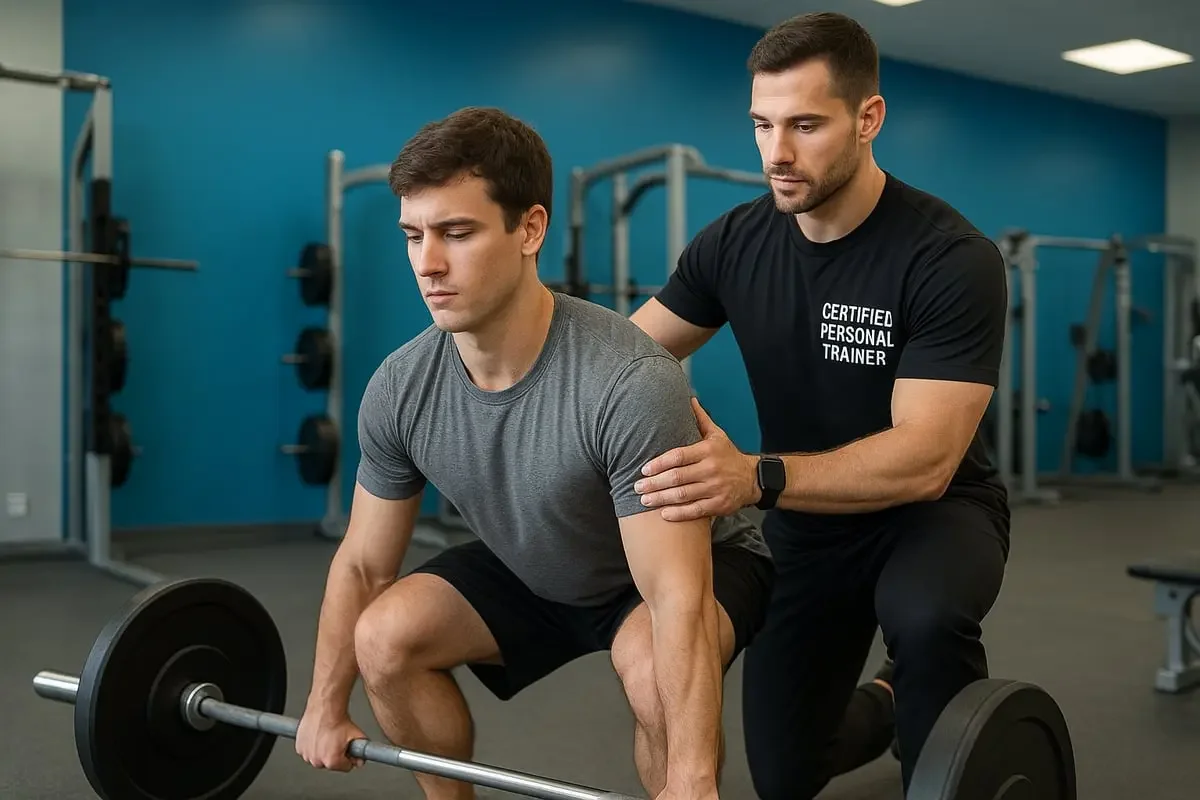
Personalized coaching helps prevent common gym injuries by:
Teaching correct form for complex exercises
Providing real-time feedback to correct minor mistakes before they lead to problems
Adjusting routines based on individual needs and limitations
Monitoring progress and ensuring proper rest and recovery
Regular technique check-ins and movement screenings are invaluable. These periodic assessments can reveal subtle issues that might otherwise go unnoticed. Addressing them early can make the difference between steady progress and a setback caused by injury.
Ongoing education is key to staying injury-free. Trainers can introduce new warm-up routines, demonstrate safe equipment use, and provide tips tailored to your fitness level. Rehabilitation specialists also play a critical role, guiding clients through post-injury recovery and helping prevent recurrence.
For those seeking comprehensive strategies, learning about preventing sports injuries can further enhance your safety in the gym.
By working with qualified professionals, you create a foundation for long-term health, minimize gym injuries, and maximize your fitness results.
Essential Warm-Up, Cool-Down, and Recovery Strategies
A well-structured routine is vital for minimizing gym injuries and optimizing performance. Incorporating specific warm-up, cool-down, and recovery strategies can be the difference between steady progress and setbacks. Let us explore the most effective methods for keeping your body resilient and injury-free.
Dynamic Warm-Up Techniques
Starting each session with dynamic movements is essential for reducing gym injuries. Activities like leg swings, arm circles, and walking lunges increase blood flow and prepare muscles for increased workload. Dynamic warm-ups also boost joint mobility and help prevent strains.
For optimal results, spend 5–10 minutes on movement patterns that mimic your workout. This approach not only primes your muscles, but also supports long-term joint health. If you want to learn more, check out how mobility training for injury prevention can further reduce your risk.
Effective Cool-Down Methods
A proper cool-down is critical for recovery and lowering the likelihood of gym injuries. Gradually taper the intensity of your exercises, then follow up with static stretching for all major muscle groups. Spend at least 5 minutes on stretches, holding each for 20–30 seconds.
Foam rolling is another excellent tool for releasing muscle tension and improving flexibility. This simple step can help your body transition smoothly to rest, decrease soreness, and support muscle repair after challenging workouts.
Recovery Best Practices
Good recovery habits are fundamental for preventing gym injuries and supporting sustainable progress. Prioritize adequate sleep, hydration, and balanced nutrition to help your muscles repair and grow. Incorporate active recovery days, such as walking or light cycling, between intense sessions.
Consider adding massage therapy or chiropractic care for added muscle and joint health. These practices, along with proper rest, keep your body prepared for future workouts and minimize the risk of recurring injuries.
Full body red-light therapy is also an excellent recovery tool, MHP is excited to offer its patients starting in Q1 of 2026.
When to Seek Medical Help for Gym Injuries
Recognizing when to seek medical help for gym injuries is vital for a safe and effective recovery. If you experience severe pain, significant swelling, loss of function, or symptoms that persist despite rest, do not ignore these warning signs. Attempting to self-diagnose or push through gym injuries can lead to long-term complications or delayed healing.
Timely intervention is essential. Options such as physical therapy, chiropractic care, and rehabilitation can speed up recovery and help prevent recurrence. For guidance on self-care and understanding when to consult a professional, review these How to Avoid Exercise Injuries tips. Always prioritize your health and take a proactive approach if any symptoms arise.
Staying active and injury free is key to reaching your fitness goals, especially when you know how common gym injuries can be. If you ever feel discomfort or notice lingering pain after your workouts, it’s important to address those signs early rather than push through and risk long term damage. With over 35 years of experience in sports injury and spinal rehabilitation, our team at Mountain Health and Performance is here to help you move better, recover faster, and prevent future injuries. If you’re ready to take the next step toward safer, stronger workouts, book with one of our chiropractors today.