7 Common Football Injuries to Know
Football is more intense and popular than ever, captivating millions with its fast pace and physical demands. As the game evolves, so do the risks faced by players at every level.
Understanding football injuries is crucial for athletes, coaches, and parents who want to prioritize both safety and peak performance. Awareness can make the difference between a quick recovery and a lasting setback.
This article explores seven essential football injuries every player should know: concussion, ACL tears, ankle sprains, hamstring strains, shoulder injuries, fractures, and Achilles tendon issues. Read on to equip yourself with knowledge for a safer season.
Understanding Football Injuries: Trends and Statistics
Football injuries remain a pressing concern at every level of the sport. With the game's physical demands and increasing popularity, understanding the current landscape of football injuries is crucial for athletes, coaches, and parents committed to safety and long-term health.
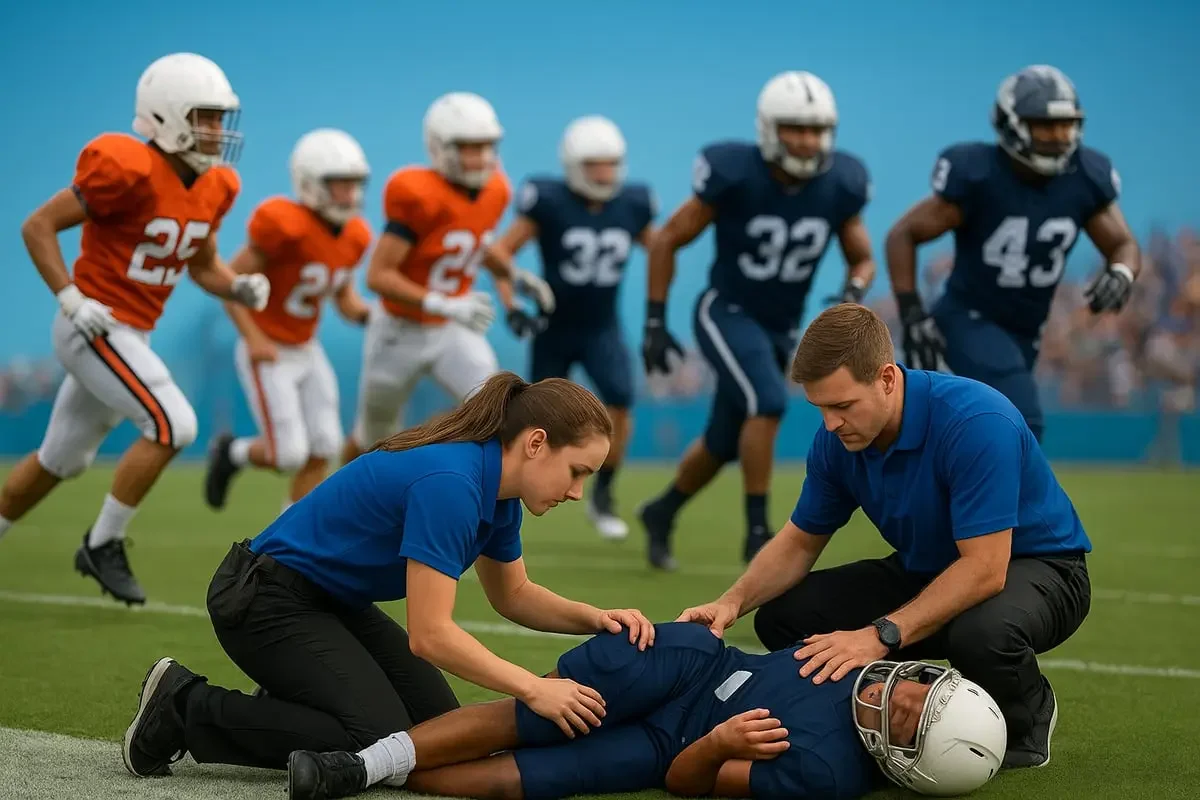
Most Common American Football Injuries
Several injuries consistently top the list for American football players across all age groups:
Concussion and head injuries
Anterior cruciate ligament (ACL) tears
Ankle sprains
Shoulder (rotator cuff) injuries
Bone fractures (collarbone, tibia, fibula)
Achilles tendonitis and ruptures
Contusions and bruises
These football injuries are prevalent due to the sport’s fast pace and frequent contact, and their impact can range from minor to career-altering.
Trends and Data Across All Levels
Recent data reveals that ligament sprains and contusions are the most common football injuries, particularly in youth and high school leagues. According to comprehensive data on sports injuries in the U.S., football consistently ranks among the sports with the highest injury rates, with nearly half of all injuries affecting the lower extremities.
In professional football, advancements in equipment and medical protocols have shifted injury patterns. While head injuries remain a concern, improved helmet technology and stricter concussion protocols have helped reduce the number of reported concussions. The increased speed and intensity of play, however, have contributed to a rise in soft tissue injuries like hamstring strains and Achilles tendon issues.
Prevention, Protocols, and the Path Forward
Injury rates differ significantly by age and level of play. Younger athletes are more susceptible to growth plate injuries, while professionals face higher risks for overuse injuries and complex fractures. Emphasis on proper tackling technique, modern protective gear, and rule changes, such as targeting penalties and limits on contact in practice, have all contributed to lower injury rates in some categories.
Understanding football injuries is not just about statistics; it is essential for prevention, effective treatment, and a safe return to play. Staying informed about trends and best practices enables everyone involved in the sport to make better decisions for athlete health and performance.
7 Essential Football Injuries to Know
Football injuries continue to shape the careers and lives of athletes at every level. Understanding the most common and impactful football injuries is crucial for everyone involved in the game. Below, we break down the seven essential football injuries to know. Each injury comes with its own risks, symptoms, and prevention strategies, making awareness and education more important than ever.
1. Concussion and Head Injuries
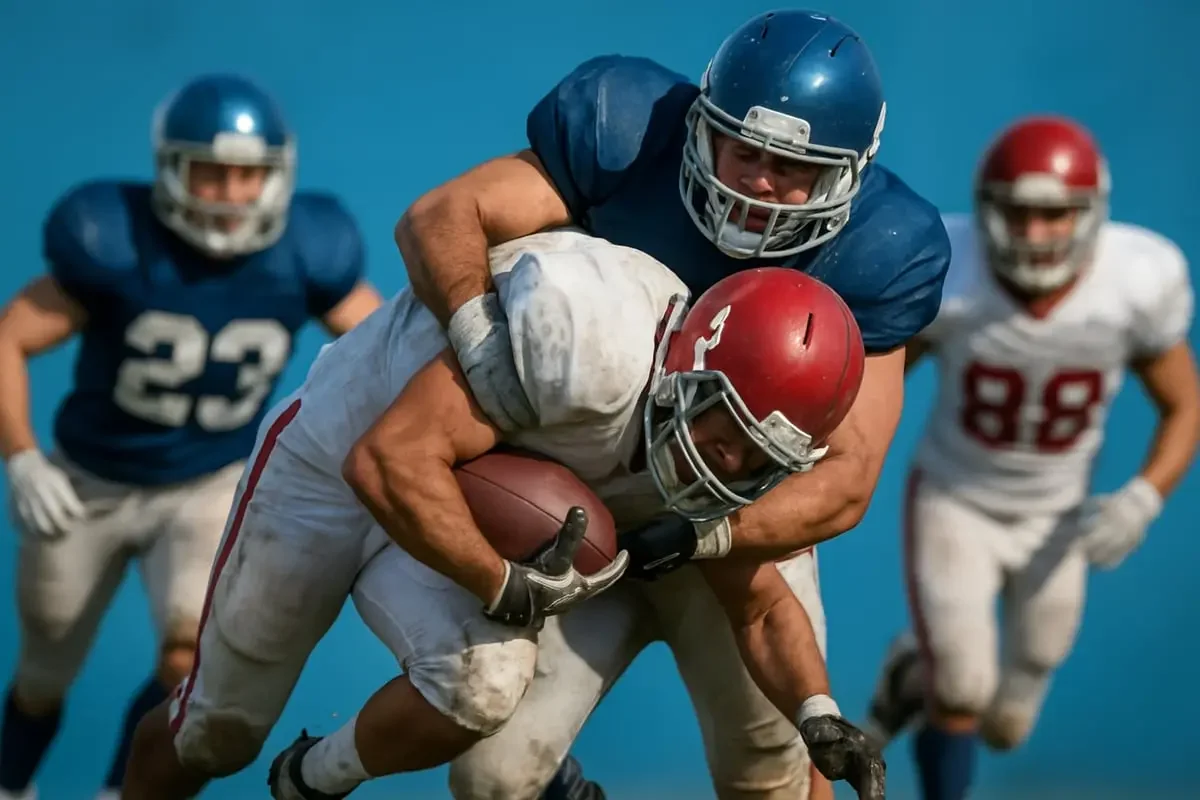
Concussions and head injuries are among the most critical football injuries. They typically result from direct blows to the head, helmet-to-helmet contact, or violent shaking during tackles. Symptoms often include headaches, dizziness, confusion, and memory loss, making prompt recognition vital.
These injuries are particularly prevalent in both high school and professional football. Young athletes face additional risks, such as second impact syndrome, which can lead to severe, long-term consequences if a second concussion occurs before the first has healed.
Immediate removal from play and thorough neurological evaluation are essential for proper diagnosis. Long-term effects of these football injuries may include cognitive impairment and a higher risk of future concussions. High-profile NFL cases have led to stricter concussion protocols, emphasizing the importance of prevention.
Advancements in helmet technology, improved education, and updated rules all contribute to reducing the frequency and severity of head-related football injuries. Teams now prioritize safety, ensuring players are educated about symptoms and recovery protocols.
2. Anterior Cruciate Ligament (ACL) Tears
ACL tears are one of the most feared football injuries due to their severity and recovery timeline. The ACL is a key ligament in the knee, providing crucial stability during rapid movements. Tears often occur from sudden stops, pivots, or direct tackles, all common in football.
Symptoms include a distinctive popping sound, immediate swelling, knee instability, and significant pain. These football injuries are especially frequent among high school and collegiate athletes, where intense play increases risk.
Treatment typically involves surgical reconstruction and months of rehabilitation, often resulting in a season-ending absence. Over time, affected athletes may face an increased risk of osteoarthritis.
Both youth and professional players have experienced career-altering ACL injuries. Prevention strategies focus on strength training, neuromuscular exercises, and ensuring proper cleat selection to reduce stress on the knee during play.
3. Ankle Sprains
Ankle sprains are among the most common football injuries, affecting athletes of all ages and skill levels. These injuries involve stretching or tearing the ligaments that stabilize the ankle. Causes include abrupt changes in direction, awkward landings, or tackles that force the ankle into unnatural positions.
Typical symptoms are pain, swelling, bruising, and limited mobility. Ankle sprains are classified by severity, from mild (Grade I) to severe (Grade III), each requiring specific care. Recovery often involves the POLICE protocol, bracing, and physical therapy. For more details on managing these injuries, see ankle sprain treatment in football.
These football injuries occur frequently in both youth and adult leagues. Prevention includes ankle strengthening exercises, taping, and wearing supportive footwear. Early intervention and proper care help athletes return to the field safely and minimize the risk of recurrence.
4. Hamstring Strains
Hamstring strains are another prevalent category of football injuries, particularly among players who rely on speed and agility, such as running backs and receivers. This injury affects the muscles at the back of the thigh, often resulting from sprinting, sudden acceleration, or overstretching during play.
Symptoms include sharp pain, swelling, and difficulty running or walking. Hamstring strains vary in severity, ranging from minor pulls to complete muscle tears. A key concern is the high risk of re-injury if athletes return to play before fully healing.
Treatment for these football injuries involves rest, ice, gradual rehabilitation, and soft tissue therapy. A comprehensive recovery plan is essential to restore muscle strength and flexibility.
Preventing hamstring strains centers on proper warm-up, flexibility routines, and targeted strength exercises. Coaches and trainers emphasize these strategies to keep athletes performing at their best while minimizing downtime due to football injuries.
5. Shoulder (Rotator Cuff) Injuries
Shoulder injuries, especially those involving the rotator cuff, are significant football injuries affecting quarterbacks, receivers, and defensive players. The rotator cuff is a group of muscles and tendons that stabilize the shoulder joint, allowing for throwing and catching motions.
Common causes include repetitive overhead movements, hard tackles, or falls onto the shoulder. Symptoms can be pain, weakness, and a reduced range of motion, all of which can severely affect performance on the field.
These football injuries range from mild strains to complete tears or dislocations. Treatment may involve rest, targeted physical therapy, or surgery in more severe cases. The impact on throwing and catching can be substantial, sometimes requiring extended recovery.
Prevention strategies focus on strengthening the shoulder, correcting technique, and using protective gear. Proper training helps athletes reduce the risk of these football injuries and maintain consistent performance throughout the season.
6. Fractures (Including Collarbones and Lower Leg Bones)
Fractures are severe football injuries that can abruptly end a player's season. Common types include clavicle (collarbone) fractures, tibia and fibula fractures, and growth plate injuries among younger athletes. These injuries typically result from high-impact collisions, falls, or direct blows during intense gameplay.
Symptoms of fractures include severe pain, visible deformity, and an inability to bear weight or move the affected limb. These football injuries are more prevalent among older or larger athletes, who experience greater forces during contact.
Treatment depends on the type and severity of the fracture, ranging from immobilization and casting to surgical intervention for displaced or complex injuries. Recovery can take months and often requires long-term rehabilitation to restore function.
Prevention involves teaching proper technique, maintaining overall conditioning, and using high-quality protective equipment. Coaches and trainers play a vital role in reducing the risk of fractures among athletes facing the physical demands of modern football injuries.
7. Achilles Tendonitis and Ruptures
Achilles tendonitis and ruptures are increasingly common football injuries as the pace of the game accelerates. The Achilles tendon connects the calf muscles to the heel bone and is crucial for running, jumping, and explosive movements on the field.
These football injuries often stem from overuse, sudden push-offs, or inadequate warm-up routines. Symptoms include heel pain, swelling, and difficulty walking or running. The severity ranges from mild inflammation (tendonitis) to a complete rupture, which can be career-threatening.
Treatment options include rest, physical therapy, and, in severe cases, surgical repair. Recovery is vital for restoring speed and agility, and the risk of recurrence remains high without proper care. For more insights on managing and preventing these football injuries, consider reviewing Achilles tendinitis recovery tips and protocols.
Prevention focuses on calf strengthening, regular stretching, and gradually increasing training intensity. Educating athletes about proper warm-up and cool-down routines is essential for minimizing the incidence of Achilles-related football injuries.
Recognizing and Responding to Football Injuries
Recognizing football injuries quickly is essential for protecting athlete health and ensuring a safe return to play. Early detection starts with understanding the symptoms of the most common injuries. These include:
Concussions
ACL tears
Ankle sprains
Hamstring strains
Rotator cuff injuries
Fractures (clavicle, tibia, fibula)
Achilles tendonitis or ruptures
Contusions
Each of these football injuries presents unique warning signs, such as pain, swelling, confusion, or loss of function. By staying alert to these changes, coaches, athletic trainers, and parents can intervene promptly and prevent further harm.
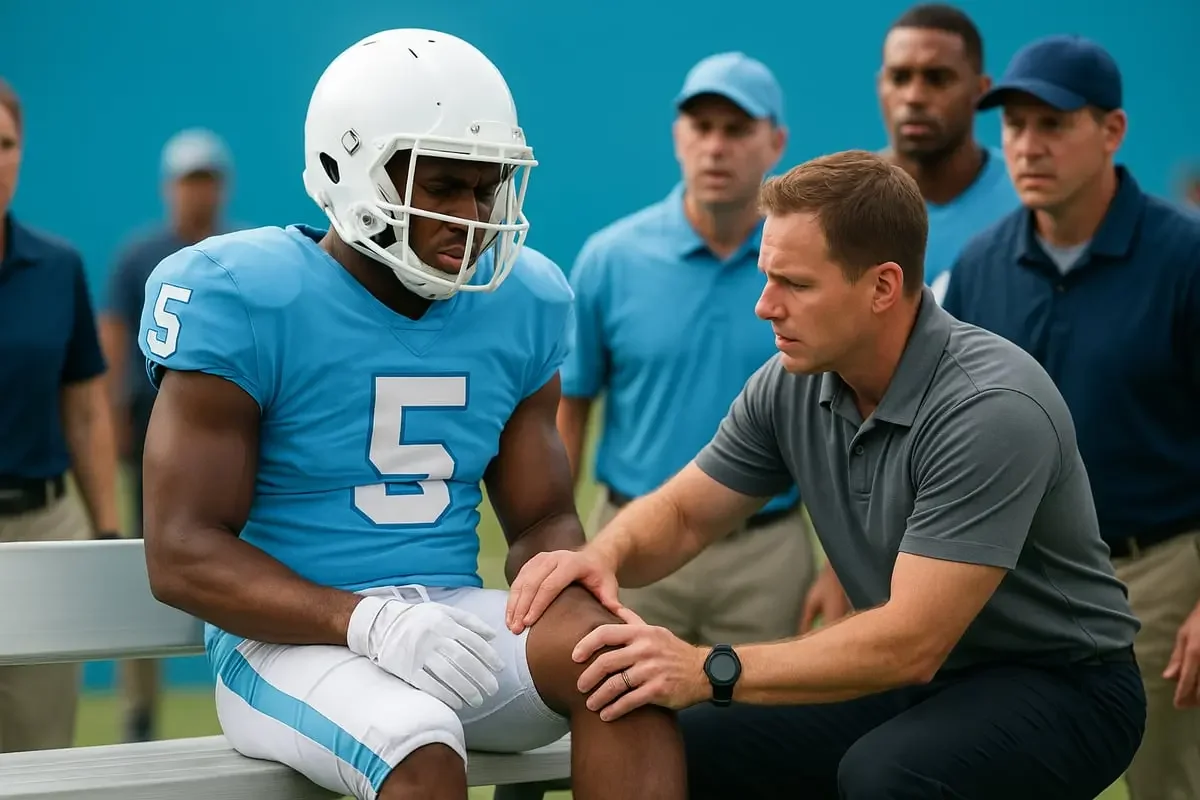
When a football injury occurs, immediate action is crucial. Remove the athlete from play if any injury is suspected, especially for head, neck, or joint trauma. Use the POLICE protocol—protect, optimal loading, ice, compression, and elevation—for sprains, strains, and contusions. Immobilize suspected fractures, and never attempt to "tough it out" or ignore symptoms.
Seek medical attention right away for severe pain, visible deformity, inability to bear weight, or any neurological signs such as dizziness or confusion. Coaches and athletic trainers should monitor athletes closely and communicate with parents about observed football injuries and recovery steps. Early, decisive care reduces the risk of long-term complications and speeds up healing.
Return-to-play decisions require careful planning and adherence to expert guidelines. Athletes must follow progressive rehabilitation, receive medical clearance, and meet all criteria before resuming full participation. For head injuries, consult updated guidelines for concussion management and recovery to ensure safe return and reduce the risk of repeated trauma. Ignoring football injuries or rushing recovery can compromise future performance and well-being.
By staying vigilant, following best practices, and prioritizing athlete safety, everyone involved helps reduce the impact of football injuries and fosters a culture of responsibility on and off the field.
Prevention Strategies for Football Injuries
Preventing football injuries is a top priority for athletes, coaches, and parents. With the game’s physical demands increasing every year, proactive strategies are essential for keeping players on the field and performing at their best.
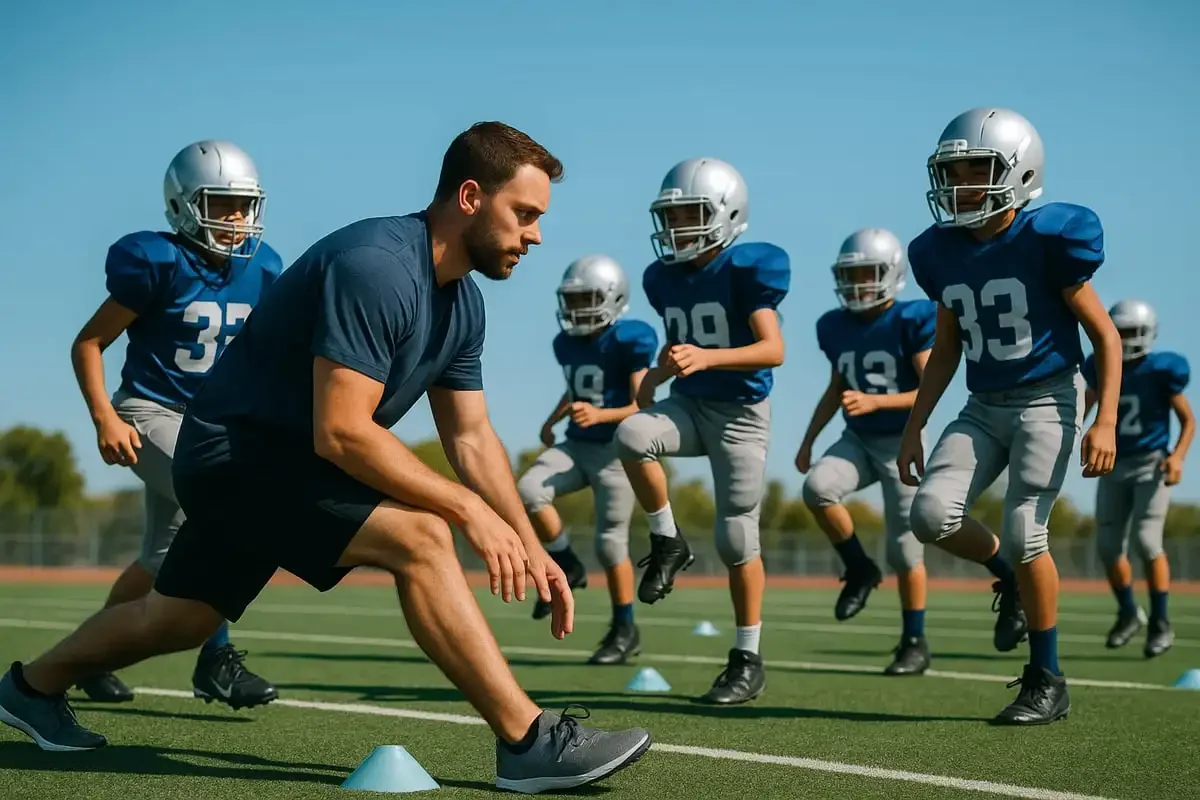
Key Prevention Strategies
A comprehensive prevention plan addresses several critical areas:
Dynamic warm-ups and flexibility routines: Begin every practice and game with a targeted warm-up and stretching program. Incorporating mobility training for injury prevention can reduce the risk of muscle and joint injuries.
Strength and conditioning: Build muscle support around joints and improve stability, especially in the knees, ankles, and shoulders.
Proper technique: Teach safe tackling, blocking, and landing methods to minimize high-risk movements that may cause football injuries.
Modern protective equipment: Ensure helmets, pads, and footwear are well-fitted and up to date with safety standards.
Hydration and nutrition: Support muscle health, endurance, and recovery with balanced nutrition and fluid intake.
Regular physical exams and screenings: Identify pre-existing conditions or weaknesses before the season starts.
Education: Empower athletes to recognize symptoms, communicate concerns, and prioritize self-care.
Rule changes and coaching education: Stay current with evolving rules and best practices to create a safer playing environment.
By combining these strategies, teams can significantly reduce the occurrence and severity of football injuries throughout the season.
Advances in Treatment and Rehabilitation for Football Injuries
Football injuries are treated with more precision and care than ever before. With new research and technology, recovery times are improving and athletes are returning to play stronger and safer.
Modern Treatment Options
For football injuries, options now include advanced physical therapy, minimally invasive surgery, and regenerative medicine like platelet-rich plasma. These approaches are tailored to the type and severity of injury, helping athletes heal efficiently.
The Power of Multidisciplinary Care
Teams of orthopedic surgeons, sports medicine doctors, physical therapists, sport chiropractors, and mental health professionals work together. This collaborative approach ensures every aspect of the athlete’s recovery is addressed, from pain management to psychological resilience.
Technology and Personalized Rehabilitation
Wearable devices track movement and healing progress, while imaging and gait analysis help therapists adjust programs in real time. Personalized rehab plans are now the standard, accelerating safe returns to play. For tendon injuries, targeted protocols are essential; see these Achilles tendinitis recovery tips for more on modern approaches.
Mental Health and Preventing Re-Injury
Recovering from football injuries is both a physical and mental journey. Support from counselors and coaches helps athletes stay motivated. Ongoing monitoring, education, and strength programs are vital for preventing re-injury and fostering long-term health.
With these advances, football injuries are managed more effectively, giving players the best chance to recover and excel.
After learning about the most common football injuries and the importance of prompt, expert care for a safe recovery, it’s clear that personalized support can make all the difference. Whether you’re an athlete, coach, or parent, you deserve guidance from experienced professionals who understand the unique demands of football and sports rehabilitation. At Mountain Health and Performance, our chiropractors are dedicated to helping you recover, prevent re-injury, and get back to your best with tailored treatment plans built on decades of expertise. If you’re ready to take the next step toward optimal healing, Book with one of our chiropractors today.