Achilles Tendinitis Treatment in North Vancouver
Achilles injuries are becoming increasingly common among active individuals in North Vancouver, affecting both daily routines and athletic performance. If you or someone you know is experiencing heel pain or stiffness, understanding your options for Achilles tendinitis treatment in North Vancouver is crucial for a swift and full recovery.
This expert guide delivers up-to-date insights, explaining the causes, symptoms, diagnosis methods, and effective treatment options available locally. Early intervention and specialized care can make all the difference, so we will walk you through clear, actionable steps and trusted resources to help you regain mobility and confidence.
Understanding Achilles Tendinitis: Causes and Symptoms
Achilles tendinitis is becoming increasingly common among active individuals, especially those seeking Achilles tendinitis treatment in North Vancouver. Understanding the condition’s origins, risk factors, and early warning signs is essential for effective management and prevention. By recognizing what triggers this injury and how it develops, you are better equipped to seek timely intervention and avoid long-term complications.
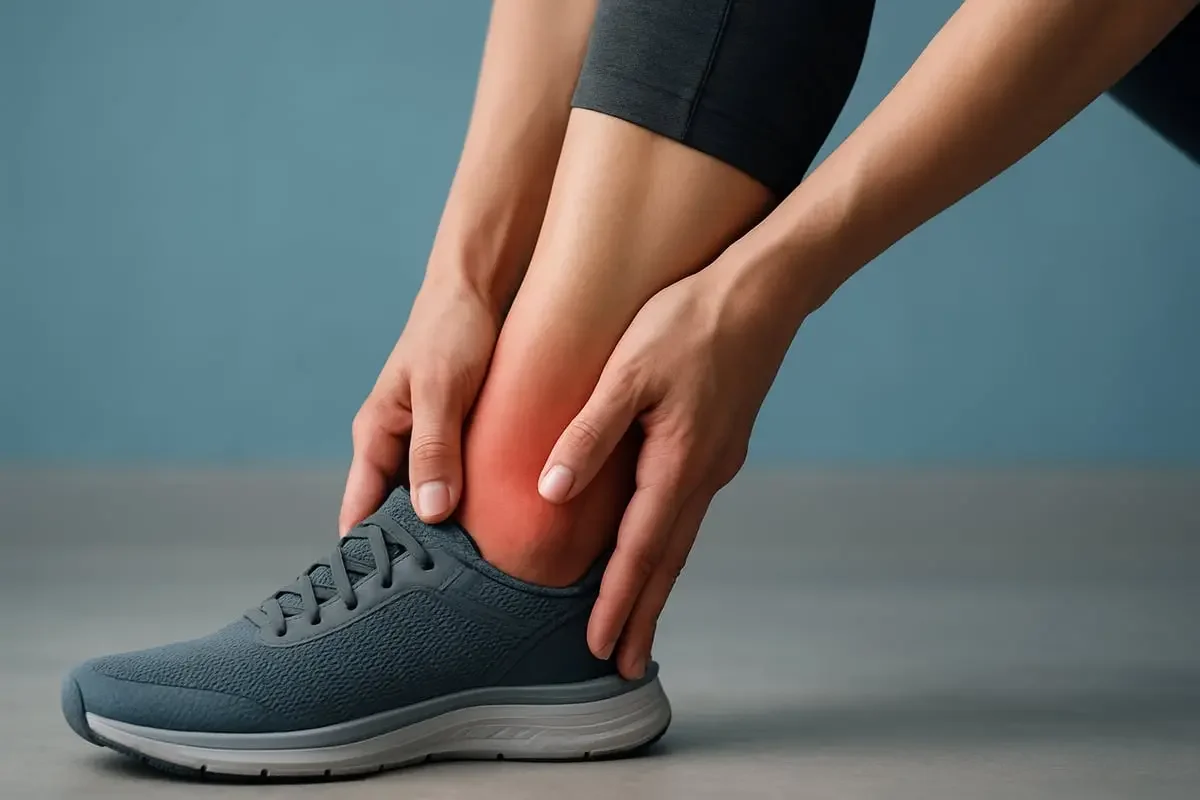
What is Achilles Tendinitis?
Achilles tendinitis is an overuse injury that affects the thick band of tissue connecting your calf muscles to your heel bone. This tendon, the largest in your body, plays a vital role in walking, running, and jumping. When the tendon is subjected to repetitive stress, tiny tears can develop, leading to inflammation and pain.
There are two main types of Achilles tendinitis. Insertional tendinitis occurs where the tendon attaches to the heel bone, while non-insertional tendinitis affects the middle portion of the tendon. Both forms can cause significant discomfort and limit mobility, making prompt Achilles tendinitis treatment in North Vancouver essential for active residents.
Causes and Risk Factors
Several factors contribute to the development of Achilles tendinitis. Overuse from running, intense sports, or sudden increases in physical activity is a leading cause. Age also plays a role, as tendons lose elasticity and strength over time, making injuries more likely. Wearing improper footwear or training on hard, uneven surfaces can increase strain on the Achilles tendon.
Biomechanical issues, such as flat feet or high arches, alter the way force is distributed, raising the risk of tendon irritation. Underlying health conditions like diabetes or obesity add further strain. According to Achilles tendinitis prevalence statistics, this condition affects up to 10% of recreational runners and is a growing concern among adults over 40. Recognizing these risk factors helps guide Achilles tendinitis treatment in North Vancouver and supports preventative strategies.
Recognizing Symptoms
Symptoms of Achilles tendinitis often develop gradually. The most common sign is pain or stiffness above the heel, especially after periods of rest or following physical activity. Swelling and tenderness are frequently observed, and some individuals notice a thickened tendon or a creaking sensation when moving the ankle.
Morning pain or discomfort after exercise is a hallmark of the condition. In more advanced cases, walking or climbing stairs becomes difficult. For example, a runner might experience mild soreness at first, which intensifies over weeks if not addressed. Early identification of these symptoms is crucial for timely Achilles tendinitis treatment and for preventing chronic complications.
Diagnosis and Assessment in North Vancouver
Accurate diagnosis is the foundation of effective Achilles tendinitis treatment in North Vancouver. Early identification allows for tailored interventions and minimizes the risk of chronic pain or long-term disability. North Vancouver residents benefit from a range of local diagnostic resources, ensuring prompt and expert assessment.
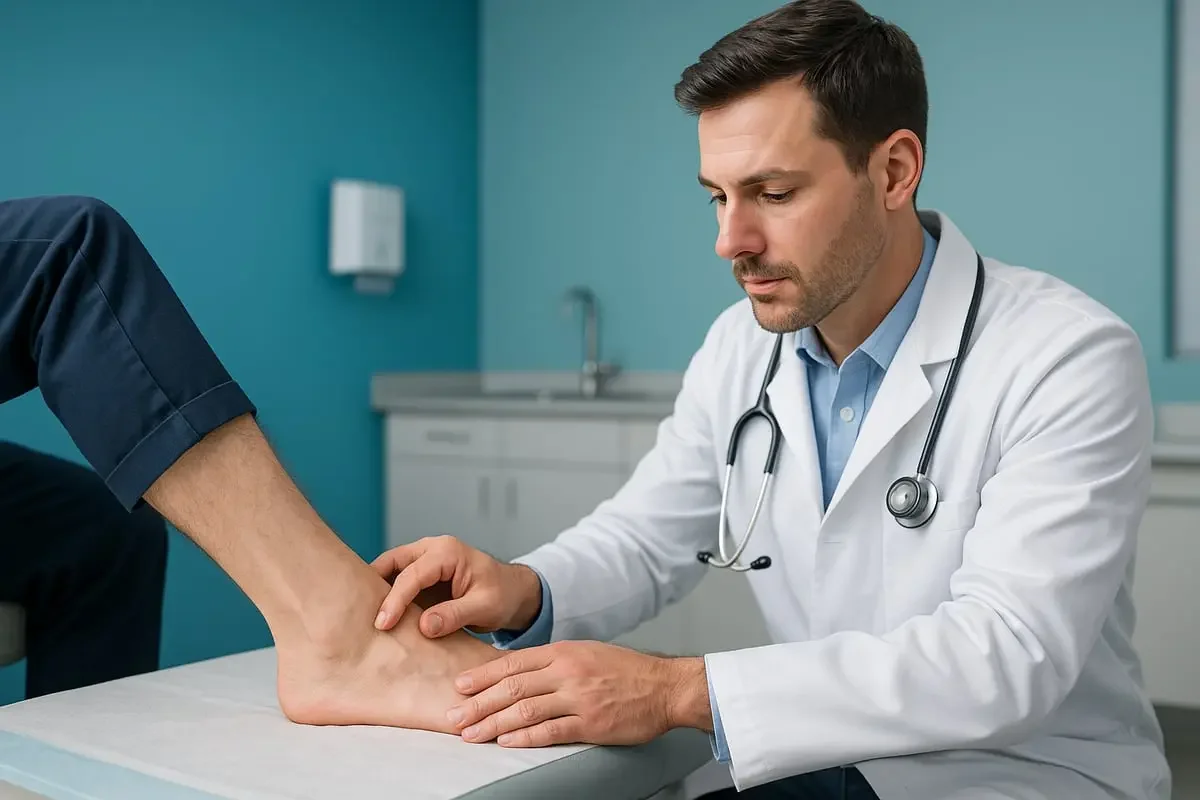
How Achilles Tendinitis is Diagnosed
The first step in Achilles tendinitis treatment in North Vancouver is a thorough clinical evaluation. This includes a detailed review of your symptoms and activity history, followed by a hands-on examination. Clinicians assess for tenderness, swelling, and range of motion limitations around the Achilles tendon.
Imaging tests such as ultrasound or MRI are rarely needed to diagnose Achilles tendinitis, but they may be ordered in cases of recalcitrant cases. Ultrasound is often the first choice, as it can reveal tendon thickening, tears, or inflammation. MRI provides detailed images when more complex injury is suspected. These tools help differentiate Achilles tendinitis from other conditions like tendon rupture or bursitis.
Timely diagnosis is essential. Delaying assessment can lead to prolonged recovery and increase the risk of complications. For a comprehensive overview of the diagnostic process and current standards, refer to the Achilles tendinitis diagnosis and treatment guidelines.
Local experts prioritize a holistic approach, ensuring that Achilles tendinitis treatment in North Vancouver addresses both the injury and underlying risk factors.
When to Seek Professional Help
Recognizing when to seek medical attention can make a significant difference in Achilles tendinitis treatment in North Vancouver. Some warning signs should prompt immediate evaluation:
Sudden, sharp pain in the back of the ankle
Inability to walk or push off the foot
Noticeable swelling or bruising
Persistent pain despite rest and self-care
Ignoring symptoms or delaying care often leads to longer recovery times. Studies show that patients who postpone seeking treatment for Achilles tendinitis may experience chronic pain or limited mobility for months.
For example, consider a local runner who noticed mild heel pain but continued training. After several weeks, the discomfort worsened, eventually requiring advanced interventions and a much longer rehabilitation process. This scenario underscores the importance of early professional assessment.
If you experience ongoing pain, swelling, or loss of function, consult a healthcare provider experienced in Achilles tendinitis treatment in North Vancouver. Early intervention supports faster healing, reduces complications, and helps you return to activity with confidence.
Evidence-Based Achilles Tendinitis Treatments
Modern medicine offers an array of evidence-based options for Achilles tendinitis treatment in North Vancouver. These approaches address both the symptoms and the underlying causes, providing a pathway to effective recovery. The right treatment plan is tailored to the individual's needs, activity level, and the severity of their condition.
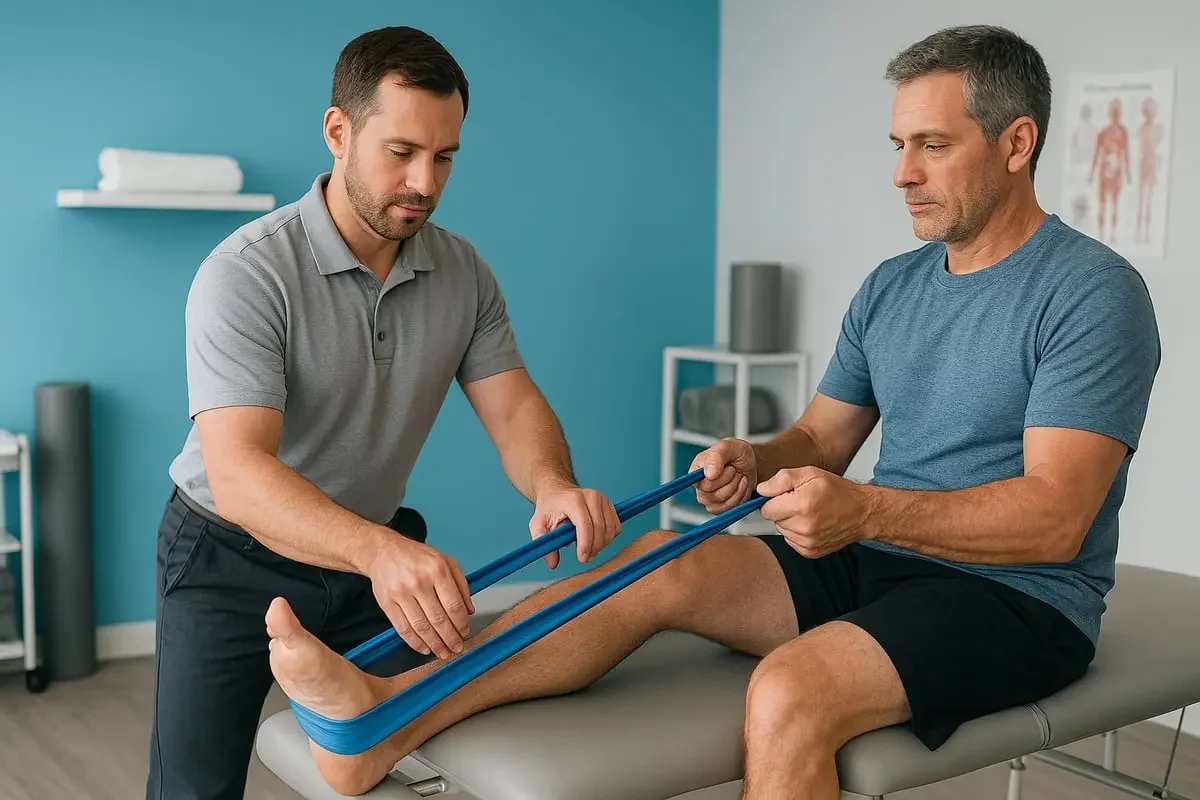
Conservative (Non-Surgical) Treatment Approaches
The majority of patients begin Achilles tendinitis treatment in North Vancouver with conservative methods. These non-surgical options focus on reducing pain, restoring function, and preventing further injury.
The initial step is the POLICE protocol:
Protection: Safeguard the injury from further damage with supports or limited movement (1-3 days), but avoid complete immobilization.
Optimal Loading: Gradually introduce controlled, pain-guided movement and exercises to stimulate healing and prevent stiffness, rather than prolonged rest.
Ice: Apply cold packs to reduce swelling.
Compression: Use wraps or sleeves to control inflammation.
Elevation: Keep the affected leg raised to decrease swelling.
Activity modification is essential. Patients are often advised to reduce high-impact sports or running, substituting with low-impact activities such as swimming or cycling.
Physical therapy plays a central role in Achilles tendinitis treatment in North Vancouver. Therapists guide patients through:
Gentle stretching to restore flexibility.
Eccentric strengthening exercises, proven to promote tendon healing.
Balance and proprioception drills for stability.
Proper footwear is crucial. Supportive shoes or custom orthotics can address biomechanical issues like flat feet or high arches, reducing stress on the tendon.
Non-steroidal anti-inflammatory drugs (NSAIDs) may help manage pain and inflammation, especially in the early stages but shouldn't be used for prolonged periods of time.
Early intervention, expert guidance, and patient adherence are critical to success.
Advanced Therapies and Innovations
When symptoms persist, or if at-home care is insufficient, advanced therapies become a focus of Achilles tendinitis treatment in North Vancouver. These options harness technology and biological science to accelerate recovery.
Shockwave therapy has become a frontline modality for chronic tendon pain. By delivering high-energy sound waves to the injured area, this treatment stimulates blood flow and cellular repair. Some local clinics like Mountain Health and Performance offer shockwave therapy for tendon pain as a non-invasive solution with promising results.
Laser therapy: This modalities promote tissue healing and reduce inflammation through targeted energy application.
Comparative studies indicate that advanced therapies can improve outcomes in chronic or stubborn cases, especially when combined with rehabilitative exercise. However, not all patients require these interventions. A thorough assessment ensures that each Achilles tendinitis treatment is customized to the individual’s needs.
Rehabilitation and Recovery: Step-by-Step Guide
Recovering from Achilles tendinitis requires a structured, phased approach. By following each stage closely, you can restore strength, mobility, and confidence. This guide to Achilles tendinitis treatment in North Vancouver outlines each rehabilitation phase, helping you minimize pain, speed up healing, and prevent setbacks.
Phase 1: Acute Care and Pain Management
The initial phase of Achilles tendinitis treatment in North Vancouver focuses on reducing pain and inflammation. Rest is crucial, so avoid activities that aggravate your symptoms. Use ice packs to manage swelling and tenderness, applying them for 15-20 minutes at a time several times a day.
Compression with an elastic bandage and elevation above heart level can further reduce swelling. If walking causes significant pain, a walking assist may be suggested for short-term use to offload the affected leg. Over-the-counter pain relievers, such as NSAIDs, can help manage discomfort, but always consult your healthcare provider before starting any medication and keep it to a minimum as nonsteroidal anti-inflammatory drugs can have a negative effect on tendon health with long-term use.
Pay close attention to your body's signals. If pain is severe or you are unable to walk, seek prompt medical attention. Early intervention with a tailored Achilles tendinitis treatment in North Vancouver can shorten recovery time and prevent complications. For more comprehensive advice on managing overuse injuries, explore recovering from overuse injuries for practical tips.
Phase 2: Early Mobility and Gentle Stretching
Once acute symptoms subside, the next phase of Achilles tendinitis treatment in North Vancouver emphasizes restoring gentle movement. Begin with range of motion exercises, such as ankle circles and pointing and flexing the toes, to prevent stiffness.
Gentle calf and Achilles stretches are introduced, holding each stretch for 20-30 seconds and repeating several times daily. The depth of stretching is dependent on whether the tendinitis is insertional or mid-substance. The goal is to improve flexibility without triggering pain or swelling. It is important to monitor your response to each exercise. Discontinue any movement that causes sharp or increasing pain.
Progress at your own pace, guided by a physiotherapist or sport chiropractor familiar with Achilles tendinitis treatment in North Vancouver. Early mobility sets the foundation for effective strengthening and long-term tendon health.
Phase 3: Strengthening and Functional Training
With improved flexibility and reduced pain, the focus shifts to rebuilding strength and function. This phase of Achilles tendinitis treatment in North Vancouver centers on heavy, slow load and eccentric loading exercises, which have been shown to promote tendon healing. A classic example is the heel drop exercise, performed on the edge of a step.
Balance and proprioception exercises, like standing on one leg or using a wobble board, may be added to restore stability. Calf raises, progressing from two legs to one, help rebuild muscle power. Functional training gradually reintroduces weight-bearing activities, always within pain-free limits.
Consistency is key for success. Many individuals benefit from working with a physiotherapist to ensure proper form and progression. Remember, effective Achilles tendinitis treatment in North Vancouver is a marathon, not a sprint. Regular check-ins and patience are essential for a full recovery.
Phase 4: Return to Activity and Sport
The final phase prepares you for a safe return to sport or daily activities. Criteria for progression include pain-free walking, full range of motion, and near-normal strength compared to the uninjured leg. Plyometric drills, such as light hopping and skipping, are gradually incorporated to build resilience and agility.
Sport-specific training, tailored to your goals, helps bridge the gap from rehabilitation to performance. Increase activity intensity and duration gradually, always listening to your body for early warning signs of overuse. Your care team will guide you through a personalized plan, ensuring a sustainable return.
By following these steps, those undergoing Achilles tendinitis treatment in North Vancouver can reduce the risk of recurrence and regain confidence in their movement. Celebrate each milestone, and remember that patience and persistence lead to the best outcomes.
Prevention Strategies for Achilles Tendinitis
Preventing Achilles tendinitis is essential for anyone looking to maintain an active lifestyle in North Vancouver. By adopting a proactive approach, you can significantly reduce your risk of injury and support long-term tendon health. The following strategies will help you stay on track and minimize your chances of needing Achilles tendinitis treatment.
Training and Lifestyle Adjustments
Prioritizing proper training habits is a key factor in preventing Achilles injuries. Begin each session with a thorough warm-up, including dynamic stretches targeting the calf and Achilles region. Always finish with a cool-down to help muscles recover and reduce post-exercise stiffness.
Gradually increase the intensity and duration of your workouts. Sudden spikes in activity can overload the tendon, making injuries more likely. Incorporate cross-training activities like swimming or cycling to reduce repetitive impact on the Achilles tendon.
Ensure you schedule regular rest days. This allows your body time to recover and adapt, which is especially important for those undergoing Achilles tendinitis treatment. Listen to your body and modify your routine if you notice any discomfort or early signs of strain.
Warm up and cool down every session
Increase activity gradually
Include cross-training for balanced fitness
Take rest days to promote recovery
Footwear and Equipment
Choosing the right footwear is critical for tendon health and injury prevention. Select shoes that match your foot type and provide adequate support for your chosen activity. Replace worn-out shoes before they lose their cushioning and stability, as old footwear can contribute to Achilles stress.
If you have a history of foot or tendon issues, or if a healthcare professional recommends it, consider custom orthotics. These can help correct biomechanical imbalances and reduce strain on the Achilles tendon. For more information on orthotic options, see Orthotics for foot and tendon support.
Pick shoes suited to your arch and gait
Replace shoes regularly, especially for runners
Use custom orthotics if advised by your provider
Making thoughtful equipment choices supports ongoing Achilles tendinitis treatment in North Vancouver and helps keep injuries at bay.
Monitoring for Early Warning Signs
Early detection is vital for effective Achilles tendinitis treatment. Pay attention to symptoms like persistent heel pain, morning stiffness, or swelling along the tendon. Self-assessment, such as gently pressing the area above your heel, can help you catch problems before they worsen.
If you notice warning signs, seek professional care promptly. Delaying treatment can lead to chronic issues and extended recovery times. Familiarize yourself with the latest Achilles tendinitis clinical practice guidelines for evidence-based recommendations.
North Vancouver offers community resources, including workshops and injury prevention clinics, to support your ongoing health. Staying vigilant and proactive ensures you receive the best Achilles tendinitis treatment in North Vancouver when needed.
Watch for ongoing pain or swelling
Conduct regular self-checks
Seek timely care for early symptoms
Mountain Health and Performance: Comprehensive Achilles Tendinitis Treatment
Finding expert Achilles tendinitis treatment in North Vancouver is essential for a swift and complete recovery. Mountain Health and Performance stands out as the region’s premier clinic, offering advanced care for those with Achilles tendon injuries. Their team specializes in sports injury management and musculoskeletal rehabilitation, ensuring each patient receives the most current, research-backed therapies.
At Mountain Health and Performance, patients benefit from a full spectrum of services. These include chiropractic care, registered massage therapy, shockwave therapy, and physiotherapy. The clinic also offers cutting-edge options like laser therapy for injury recovery, which can support healing for Achilles tendon issues. Every treatment plan is tailored to the individual, designed to maximize results for Achilles tendinitis treatment.
What truly sets Mountain Health and Performance apart is their patient-centered, evidence-based approach. Each Achilles tendinitis treatment in North Vancouver begins with a thorough assessment, followed by a personalized rehabilitation plan. This may include hands-on therapy, specific home exercise programs, and education on activity modification to prevent recurrence. The team’s collaborative model ensures patients receive comprehensive support at every stage of recovery.
Convenience is a priority for those seeking Achilles tendinitis treatment in North Vancouver. The clinic offers direct billing for most insurance providers, as well as ICBC and WorkSafe BC claims. Patients appreciate the central location, ample free parking, and wheelchair accessibility, making every visit stress-free and efficient.
Booking a consultation is straightforward. New patients can expect a welcoming environment, a detailed assessment, and a clear plan for recovery. To begin your journey, simply contact Mountain Health and Performance and take the first step toward lasting relief.
If you’re struggling with Achilles tendinitis, you know how much it can impact your daily life and keep you from the activities you love. At Mountain Health and Performance, we understand how important it is to access evidence based care and the latest treatment advancements right here in North Vancouver. Our team specializes in sports injury rehabilitation and offers focused therapies to help you recover faster, including innovative shockwave therapy. If you’re ready to take the next step toward lasting relief and a safe return to activity, let us support your recovery—Book your shockwave session today.