7 Essential Dance Injuries To Watch Out For
Dance blends athleticism and artistry, pushing physical limits like never before. As more dancers of all ages take on challenging choreography and longer practice hours, the risk of dance injuries is rising.
Dancers, parents, and instructors are increasingly concerned about how common these injuries have become. In fact, up to 97% of dancers will face an injury during their careers, making awareness crucial for everyone involved in the dance community.
Understanding dance injuries is the first step to preventing long-term setbacks and ensuring every performer reaches their peak. From ankle sprains and Achilles tendonitis to stress fractures, knee pain, hip impingement, lower back strain, and foot injuries, knowing what to watch for is essential.
This guide will walk you through the seven most critical dance injuries, along with practical prevention and care strategies. For dancers in North Vancouver, Mountain Health and Performance offers expert injury care to keep you moving safely. Read on to protect your passion and your performance.
Why Dance Injuries Are on the Rise
Across Canada and beyond, dance is more popular than ever. Young children, teens, and adults are joining classes in ballet, hip hop, jazz, contemporary, and fusion genres. With this surge, the number of reported dance injuries is climbing, impacting performers at every skill level. According to dance injury statistics 2025, up to 97% of dancers will experience an injury during their careers.
What types of dance injuries are dancers facing? Here are the most common:
Ankle sprains
Achilles tendonitis
Stress fractures
Patellofemoral pain syndrome (runner’s knee)
Hip impingement and labral tears
Lower back strain and spondylolysis
Trigger toe
Sesamoiditis
Plantar fasciitis
Shin splints
These injuries often result from repetitive movements, high-impact landings, and demanding choreography. Modern dance trends, including viral challenges on social media, push dancers to attempt risky moves without adequate preparation or supervision. Training regimens are also more intense, with many dancers practicing for hours each day. As a result, overuse and acute dance injuries are now frequent topics in studios and clinics.
The biomechanics of dance require extreme flexibility, balance, and strength. Repetitive stress, combined with improper technique or insufficient recovery, can lead to chronic pain or long-term setbacks. The lack of standardized injury reporting means many cases go unrecognized, making early intervention even more important.
In North Vancouver, Mountain Health and Performance supports the dance community by providing specialized care for dance injuries. Their team understands the demands of dance and offers personalized rehabilitation to help dancers recover safely and return to their passion. Early recognition, expert assessment, and integrated treatment are key to preventing chronic dance injuries and ensuring every dancer performs at their best.
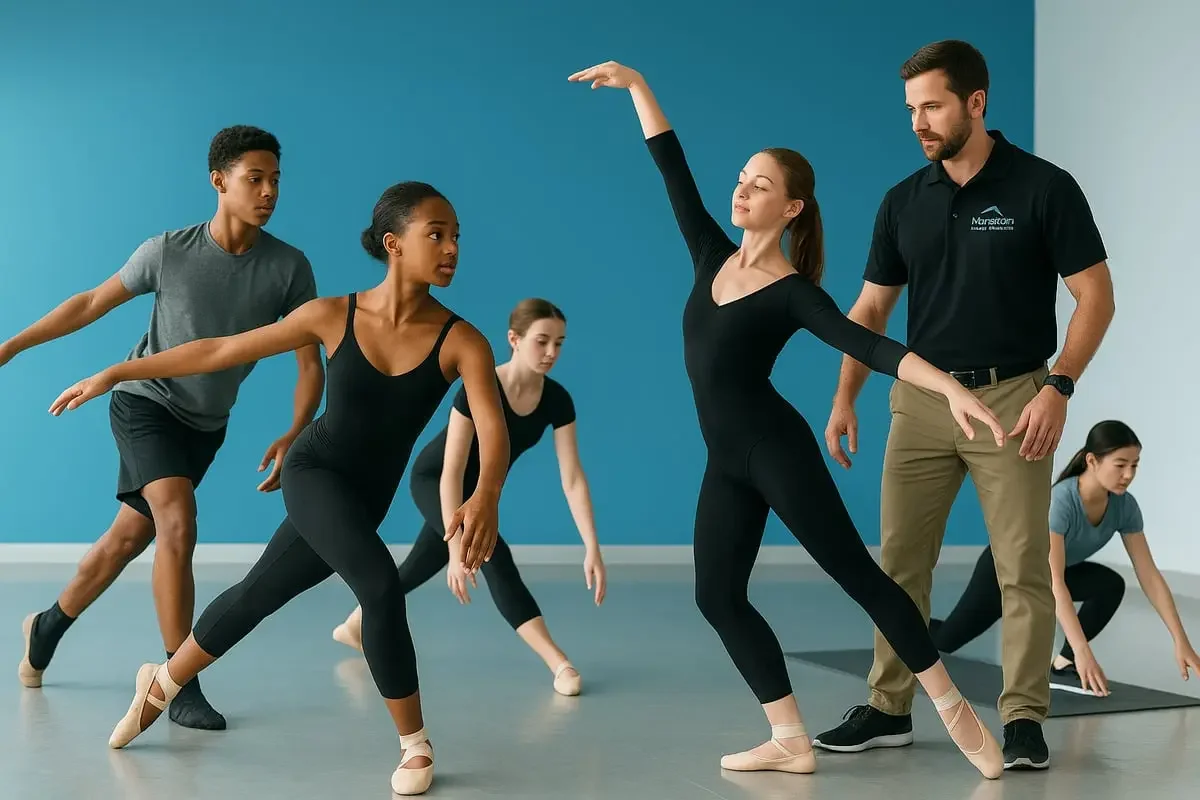
The Role of Professional Injury Care for Dancers
Professional injury care is essential for dancers at every level. The unique demands of dance place significant stress on the body, making specialized support crucial for preventing and managing dance injuries. Without expert intervention, minor issues can escalate into chronic problems that threaten both health and artistic progress.
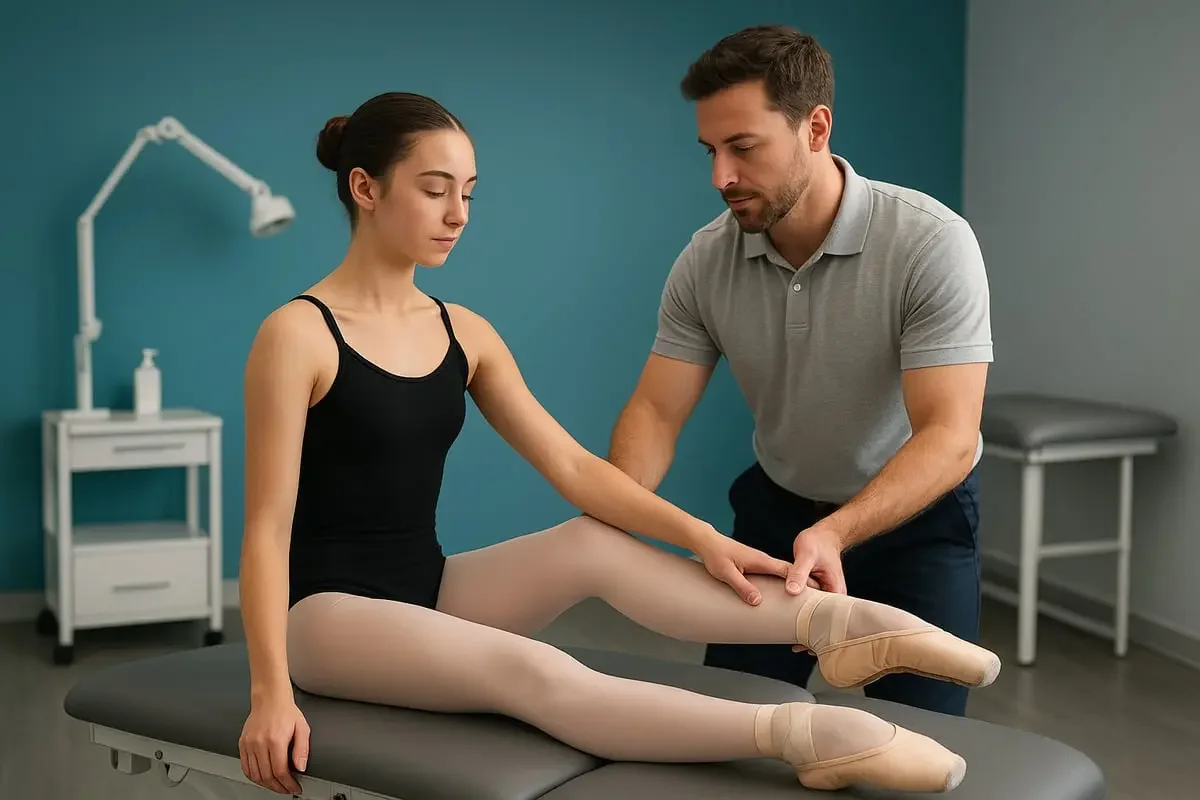
Why Specialized Care Matters
Dancers frequently experience a range of injuries including ankle sprains, Achilles tendonitis, stress fractures, patellofemoral pain syndrome, hip impingement, lower back strains, plantar fasciitis, trigger toe, sesamoiditis, and shin splints. Each of these dance injuries requires a nuanced approach, as the biomechanics and repetitive movements in dance differ from other sports.
Working with professionals trained in dance medicine ensures that treatment plans are tailored to the specific needs of dancers. This means faster recovery, reduced risk of re-injury, and guidance on safe return to the studio or stage. For many, early intervention can be the difference between a short setback and a lingering problem.
Integrated Treatment Approaches
Comprehensive injury care combines chiropractic adjustments, massage therapy, rehabilitation exercises, and advanced modalities like shockwave therapy. This multidisciplinary approach addresses the root causes of dance injuries, not just the symptoms. Dancers benefit from personalized care that supports both immediate healing and long-term performance.
At Mountain Health and Performance in North Vancouver, dancers have access to a team with over 35 years of experience in sports injury and rehabilitation. The clinic's integrated model, direct billing options, and evidence-based practice make it an ideal resource for the dance community. For those seeking to understand more about the importance of early intervention and strategies to prevent overuse, Preventing Overuse Injuries in Athletes offers valuable insights.
By prioritizing professional care, dancers can protect their bodies, sustain their passion, and continue to perform at their peak.
7 Essential Dance Injuries to Watch Out For
Dancers today push their bodies to new limits, blending athleticism with artistry. As training intensifies, the risk of dance injuries becomes a pressing concern for performers, parents, and instructors. Recognizing the most common dance injuries is the first step in prevention and long-term health. From sprained ankles to complex hip issues, understanding these challenges helps dancers stay on stage and out of the clinic.
North Vancouver’s Mountain Health and Performance stands ready to support dancers at every level, offering specialized care, rehabilitation, and prevention strategies for the injuries that matter most.
1. Ankle Sprains
Ankle sprains are the most frequent traumatic dance injuries, especially in ballet and jazz. They occur when the ankle twists awkwardly during jumps or landings, leading to ligament tears.
Symptoms include swelling, bruising, instability, and pain with movement. Without proper treatment, these injuries can recur, causing chronic instability. Preventing ankle sprains involves targeted strength training, careful attention to technique, and supportive footwear. Dancers at Mountain Health and Performance receive individualized assessments to address underlying weaknesses and prevent future sprains.
2. Achilles Tendonitis
Achilles tendonitis is a common overuse injury among dancers, resulting from repetitive jumping, pointing, and pushing off the foot. Pain and stiffness develop at the back of the ankle, often worsening in the morning or after dancing.
Risk factors include rapid increases in training load, poor footwear, and inadequate warm-up. Preventing this injury requires gradual training progressions, calf strengthening, and regular stretching routines. Early intervention helps dancers recover fully and return to their art with confidence.
3. Stress Fractures
Stress fractures are tiny cracks in the bones, frequently affecting metatarsals, tibia, or the lumbar spine. These dance injuries stem from repetitive impact and insufficient recovery time, particularly during growth spurts in young dancers.
Key symptoms are localized pain, swelling, and tenderness that intensifies with activity. Prevention hinges on balanced nutrition, adequate rest, and cross-training to reduce repetitive stress. Mountain Health and Performance works with dancers to design nutrition and recovery plans, decreasing the risk of stress fractures and promoting bone health.
4. Patellofemoral Pain Syndrome (Runner’s Knee)
Patellofemoral pain syndrome, or runner’s knee, is a chronic knee complaint in many dance injuries. It develops from overuse, muscle imbalances, or technical errors, causing dull pain around the kneecap during pliés or stairs.
Improper technique, weak hip muscles, and excessive training are major risk factors. Prevention includes strengthening the hips and thighs, correcting movement patterns, and using appropriate flooring. For a deeper dive into prevention, see Understanding and Preventing Runner's Knee. Early management is crucial for a safe return to dance.
5. Hip Impingement and Labral Tears
Extreme ranges of motion and repetitive rotation can lead to hip impingement and labral tears in dancers. These dance injuries are marked by deep hip or groin pain, clicking, or locking sensations, especially after high kicks or splits.
Ballet and contemporary dancers face higher risks due to frequent turnout and extreme flexibility demands. Prevention relies on balancing flexibility with strength, limiting extreme movements, and regular screening. Mountain Health and Performance offers comprehensive hip assessments to catch issues early and guide safe progression.
6. Lower Back Strain and Spondylolysis
Lower back strain and spondylolysis are prevalent dance injuries, often resulting from back bends, lifts, and jumps. Dancers with poor core strength or overtraining habits are especially vulnerable.
Symptoms include persistent back pain, stiffness, or radiating discomfort. Prevention involves core stability exercises, thorough warm-ups, and technical correction. Prompt attention to symptoms helps prevent chronic problems and supports dancers’ longevity.
7. Foot and Toe Injuries (Trigger Toe, Sesamoiditis, Plantar Fasciitis)
Foot and toe injuries cover conditions such as trigger toe, sesamoiditis, and plantar fasciitis. These dance injuries cause pain in the forefoot, under the big toe, or along the arch, often aggravated by pointe work and repetitive impacts.
Wearing supportive shoes, maintaining foot strength, and allowing sufficient rest are key to prevention. Mountain Health and Performance customizes rehabilitation plans for dancers, ensuring a safe and effective recovery for even the most complex foot issues.
Dance injuries are a reality for performers at every level, but early recognition and expert care can make all the difference. Mountain Health and Performance in North Vancouver provides a multidisciplinary approach, from chiropractic and massage therapy to advanced rehabilitation, supporting dancers’ return to peak performance while minimizing the risk of long-term setbacks.
How to Recognize and Respond to Dance Injuries Early
Early recognition and rapid response are crucial for managing dance injuries and keeping dancers on track. With the physical intensity of modern dance, injuries like ankle sprains, Achilles tendonitis, stress fractures, patellofemoral pain syndrome, hip impingement, labral tears, lower back strain, and plantar fasciitis are increasingly common. Knowing what to look for and how to act can help prevent minor issues from becoming long-term setbacks.
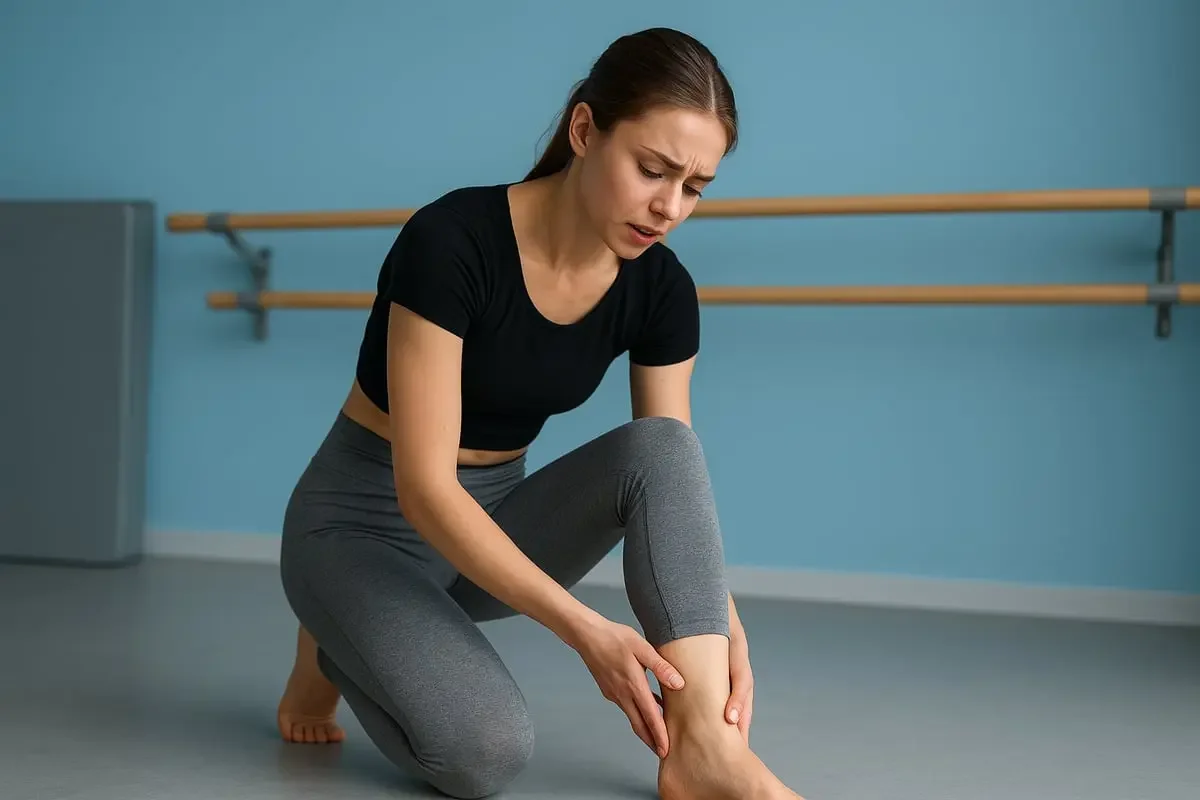
Signs and Symptoms Dancers Should Never Ignore
Dancers should always be attentive to early warning signs of dance injuries. Persistent pain that lasts beyond 48 hours of rest, or pain that worsens during movement or disrupts sleep, should not be ignored. Swelling, bruising, or visible changes in joints or toes can indicate more serious problems like stress fractures or Achilles tendonitis.
Other red flags include changes in movement patterns or compensation, loss of joint range, instability, or unexpected weakness. Lower back pain, a frequent complaint among dancers, is often linked to overuse or improper technique. For deeper insight into managing back issues, see Massage Therapy for Back Pain Relief. Early attention to these symptoms can make a significant difference in recovery.
Immediate Steps for Injury Management
When dance injuries occur, immediate action is essential. Stop dancing right away to avoid aggravating the injury. For acute injuries such as ankle sprains or muscle strains, use the POLICE protocol: Protect, Optimal Loading, Ice, Compression, and Elevation. Avoid applying heat during the first 48 to 72 hours, as this can increase swelling.
Professional assessment is recommended if symptoms persist or are severe. Keep a record of the injury details, including when and how it happened, to support future care planning and communication with health professionals. Nutrition and proper recovery practices also play a key role in healing; for more, read Nutrition and Recovery for Injury Prevention. Prompt response gives dancers the best chance at a full and swift recovery.
When to Seek Professional Help
Some dance injuries require specialized care to ensure safe and effective healing. If pain or dysfunction lingers beyond a few days, or if it affects daily life or dance performance, consult a healthcare provider with expertise in dance medicine. Recurrent injuries or signs of chronic overuse, such as ongoing hip or knee pain, should be evaluated by professionals.
Dancers in North Vancouver can access expert injury care at Mountain Health and Performance, which offers multidisciplinary support for dance injuries. Timely intervention not only speeds up recovery but also helps prevent future problems, so dancers can return to the studio with confidence.
Preventing Dance Injuries: Proactive Strategies
Preventing dance injuries requires a holistic, proactive approach that addresses every aspect of a dancer’s routine. By understanding the most common injuries and implementing targeted strategies, dancers can reduce risk and perform at their best. Below are essential prevention tips and a guide to staying healthy, including how North Vancouver’s Mountain Health and Performance supports dancers in their journey.
Smart Training and Recovery Practices
One of the most effective ways to prevent dance injuries is through smart training and recovery. Dancers who gradually increase training intensity, schedule regular rest days, and cross-train with activities like Pilates or swimming are less likely to experience overuse injuries. According to Injury epidemiology in contemporary dance, contemporary dancers often face high injury rates due to repetitive stress and inadequate recovery.
Common Dance Injuries:
Injury Type / Description
Ankle Sprains / Ligament tears from missteps
Achilles Tendonitis / Overuse of the Achilles tendon
Stress Fractures / Tiny bone cracks from repetitive impact
Patellofemoral Pain / Knee pain from overuse
Hip Impingement / Hip pain from extreme motion
Lower Back Strain / Muscle or vertebrae injury
Plantar Fasciitis / Arch pain from overuse
Sesamoiditis / Pain under the big toe
Trigger Toe / Painful locking of the toe
Labral Tears / Hip cartilage injury
By prioritizing these recovery practices, dancers can minimize dance injuries and maintain peak performance.
Nutrition, Hydration, and Sleep
Proper nutrition, hydration, and sleep play a critical role in preventing dance injuries. A balanced diet supports bone and tissue health, while poor nutrition increases susceptibility to stress fractures and delayed healing. It is vital for dancers to avoid restrictive diets and maintain a healthy body weight.
Staying hydrated before, during, and after practice helps prevent cramps and fatigue. Consistently getting 7 to 9 hours of quality sleep ensures the body can recover from strenuous training. Together, these factors reduce the likelihood of dance injuries and promote faster recovery when setbacks occur.
Technique, Footwear, and Environment
Attention to proper technique, footwear, and environment is essential for reducing dance injuries. Dancers should regularly review their alignment, posture, and movement patterns with instructors. Using well-fitted shoes designed for specific dance styles provides necessary support and reduces impact on joints.
Quality flooring is another critical factor. Floors that are too hard or slippery can increase the risk of falls and overuse injuries. Regular screenings for technique issues and monitoring for early signs of dance injuries are recommended to catch problems before they become chronic.
Building a Support Team: Coaches, Therapists, and Medical Professionals
Building a strong support team is key to preventing and managing dance injuries. Dancers benefit from working with skilled coaches who understand injury risks and can provide personalized feedback. Regular check-ups with sports medicine professionals, such as those at Mountain Health and Performance in North Vancouver, ensure early detection and treatment of injuries.
This multidisciplinary clinic offers chiropractic care, massage therapy, rehabilitation, and advanced modalities tailored to dancers. Their evidence-based approach and direct billing make care accessible for the dance community. Open communication about pain or discomfort helps prevent minor issues from becoming serious dance injuries.
After learning about the most common dance injuries and the importance of early intervention, it’s clear that specialized care can make all the difference in your recovery and long term performance. Whether you’re dealing with a recent strain or want to prevent recurring issues, our experienced chiropractors at Mountain Health and Performance are here to support you every step of the way. With a tailored approach and a deep understanding of dance related injuries, you can feel confident about getting back to what you love safely and efficiently.
Book with one of our chiropractors today