The Complete Guide to Calf Strain Treatment in North Vancouver
Picture yourself running along North Vancouver’s scenic trails when a sudden pain shoots through your calf. Calf strains are a common setback for athletes, hikers, and active residents in our vibrant community. This essential guide offers the most current advice on calf strain treatment in North Vancouver, so you can recover faster and stronger. You will learn how to recognize symptoms, follow step-by-step treatment, safely rehabilitate, prevent future injuries, and discover expert care options close to home. Your path to a pain-free, active lifestyle starts here.
Understanding Calf Strains: Causes and Risk Factors
Calf strains are among the most frequent injuries facing active individuals in North Vancouver, often impacting daily activity and athletic performance. To achieve optimal calf strain treatment in North Vancouver, it is crucial to first understand the structure of the calf and the factors that make this injury so common in the region.
What is a Calf Strain?
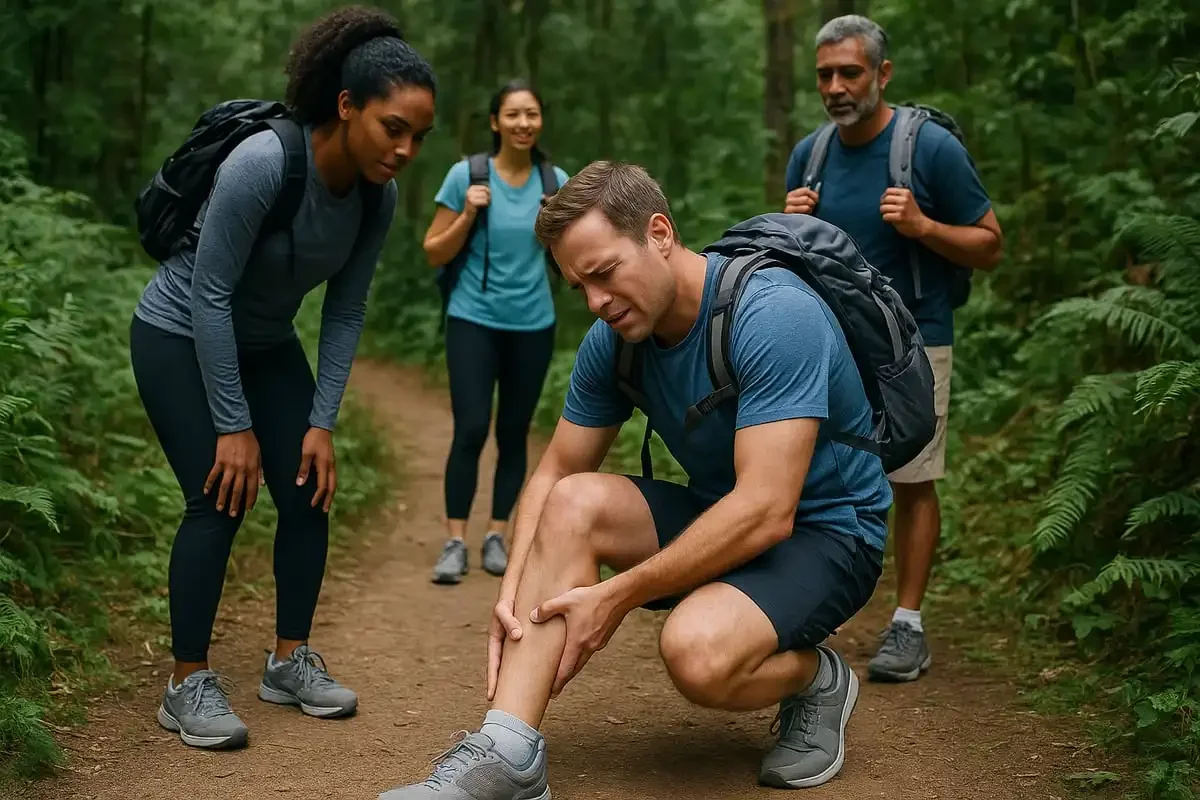
A calf strain occurs when one or both major muscles in the calf—the gastrocnemius or soleus—are overstretched or torn. These muscles, located at the back of the lower leg, play a vital role in walking, running, and jumping. Calf strains are categorized by severity:
Grade / Description / Symptoms
Grade I / Mild overstretch, minimal tearing / Slight pain, tightness
Grade II / Partial muscle tear / Moderate pain, swelling
Grade III / Complete muscle tear / Severe pain, bruising, loss of function
Most calf strains result from sudden acceleration, abrupt stops, or overuse. Inadequate warm-up and muscle fatigue can increase injury risk. For a comprehensive overview of strain types and protocols, consult the Calf Strain Treatment Guidelines.
Understanding the anatomy and grading system is the first step toward effective calf strain treatment in North Vancouver.
Common Causes in North Vancouver
Outdoor activities are a significant part of life in North Vancouver. Sports like trail running, hiking, and mountain biking are popular due to the region’s scenic trails and parks. However, these activities also increase the risk of calf strains because of uneven surfaces, steep inclines, and unpredictable weather.
Rapid changes in activity, insufficient warm-up, and training on wet or rocky paths can all contribute to muscle injuries. Residents seeking calf strain treatment in North Vancouver should be mindful of how local terrain and climate can influence injury patterns.
Who Is Most at Risk?
The people most at risk include athletes, recreational exercisers, and older adults. Weekend warriors who suddenly ramp up their activity without proper preparation are particularly vulnerable. Age-related changes in muscle elasticity and previous injuries also increase susceptibility.
According to Canadian injury data, running-related injuries, including calf strains, are common among adults aged 35 to 55. For example, a North Vancouver runner training for a local race may develop a calf strain after increasing mileage too quickly. Recognizing these risk factors is essential for successful calf strain treatment in North Vancouver.
The Importance of Early Identification
Prompt identification of a calf strain can significantly improve recovery outcomes. Early recognition allows for timely intervention, reducing the risk of chronic issues or re-injury.
Many people mistake a calf strain for a simple “muscle pull,” believing it will resolve on its own. This misconception can delay proper calf strain treatment, leading to prolonged discomfort and limited mobility. Awareness of symptoms and early action are key to a full recovery.
Recognizing the Signs and Symptoms of Calf Strains
Calf strains can affect anyone in North Vancouver, from avid hikers to recreational runners. Knowing what to look for is essential for timely and effective calf strain treatment in North Vancouver. Recognizing early signs can help you avoid complications and get back to your activities sooner.
Key Symptoms to Watch For
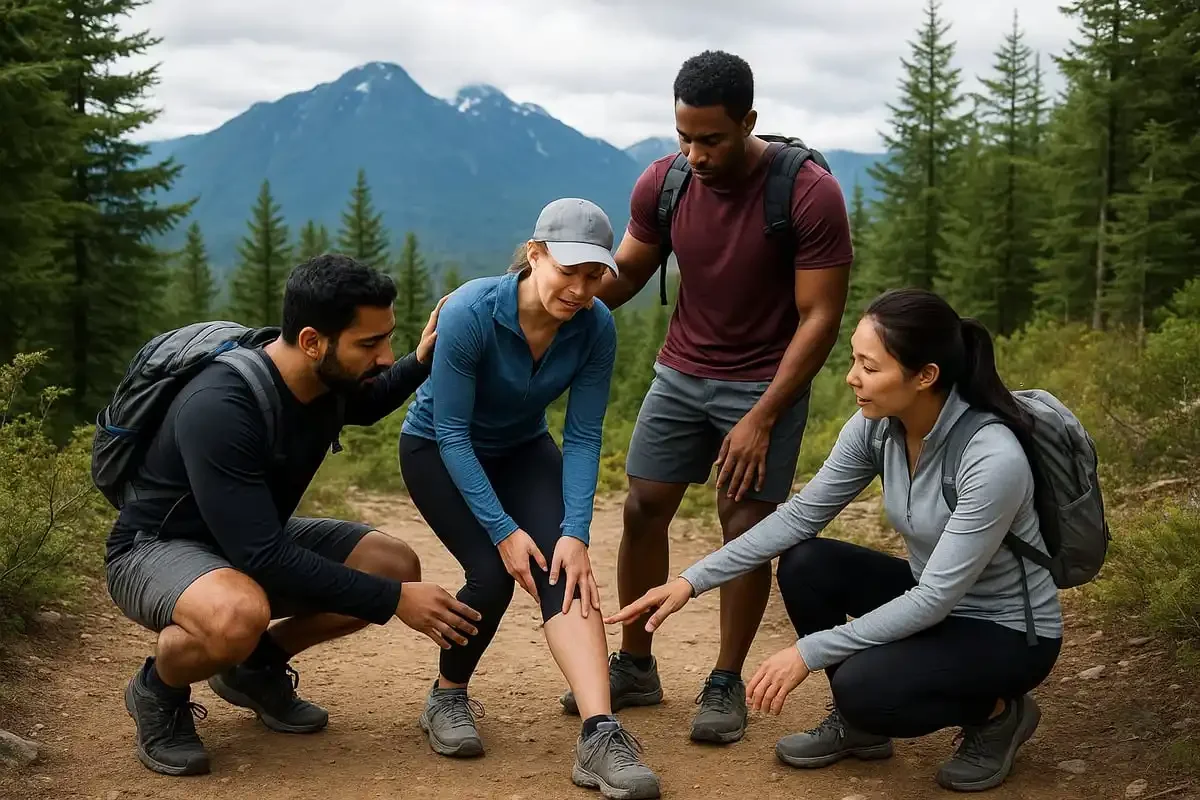
The most common warning sign of a calf strain is a sudden, sharp pain in the lower leg, often occurring during exercise or physical activity. Some people experience only a dull ache or tightness that gradually worsens over time.
Other symptoms include swelling, bruising, and a feeling of muscle weakness. You might notice it is difficult to stand on your tiptoes or push off when walking. These indicators are crucial for anyone seeking calf strain treatment in North Vancouver, as early action can speed up recovery.
Sudden sharp or stabbing pain
Persistent dull ache or tightness
Swelling or visible bruising
Trouble bearing weight or walking
Understanding these symptoms is the first step toward effective recovery.
Self-Assessment and When to Seek Help
If you suspect a calf injury, simple home checks can help determine severity. Gently press along your calf to find tender spots. Try standing on your toes. If this causes severe pain or is impossible, your injury may be more serious.
Red flag symptoms require immediate attention. These include severe swelling, intense pain that does not improve, numbness, or an inability to walk. For many, prompt calf strain treatment in North Vancouver can prevent lasting damage.
Severe swelling or bruising
Inability to move the ankle or foot
Tingling, numbness, or weakness
If any of these symptoms occur, consult a healthcare professional as soon as possible.
Differentiating Calf Strains from Other Injuries
Not all lower leg pain is caused by a calf strain. Sometimes, injuries can resemble other conditions, making accurate diagnosis vital. Calf strains differ from Achilles tendon injuries, which typically cause pain closer to the heel and may present with a snapping sensation.
Deep vein thrombosis (DVT) is another concern, marked by unexplained swelling, warmth, and redness, and requires urgent medical care. Muscle cramps, on the other hand, are usually brief and resolve with stretching.
To understand differences between these injuries, review this guide on Achilles tendinitis treatment options, which highlights key distinctions and helps ensure you pursue the right calf strain treatment in North Vancouver.
Local Patient Experiences
Many North Vancouver residents have faced calf injuries, from runners training on local trails to weekend soccer players. For instance, a local runner described feeling a sudden pop during a morning jog, followed by immediate pain and swelling.
With quick recognition and professional calf strain treatment in North Vancouver, their recovery was smooth, and they returned to activity within weeks. Stories like this highlight the importance of knowing the signs and acting early.
Step-by-Step Calf Strain Treatment
Calf strains can sideline even the most dedicated athletes and active residents in North Vancouver. Effective calf strain treatment starts with immediate action and continues through a structured recovery process. Let’s break down each step to ensure you are equipped with the latest strategies for optimal healing.
Immediate First Aid: The First 24-48 Hours
The first 24 to 48 hours after a calf strain are critical for minimizing damage and speeding recovery. For residents seeking calf strain treatment in North Vancouver, the POLICE protocol remains foundational, but recent evidence suggests some modifications:
Protect: Initially minimize activity/positions that aggravated the injury site.
Optimal Loading: Incrementally increase range of motion at the ankle and/or knee with methodical increases in load to the injury site to facilitate the healing process.
Ice: Apply cold packs for 15-20 minutes every 2-3 hours to reduce swelling.
Compression: Use an elastic bandage to control swelling, but ensure it is not too tight.
Elevation: Keep the leg raised above heart level whenever possible.
Early movement, within pain tolerance, is now encouraged rather than strict immobilization. Over-the-counter pain relievers such as acetaminophen or ibuprofen can help manage discomfort, but always follow package directions. Avoid heat, massage, or alcohol in the early phase, as these may worsen swelling.
Professional Assessment and Diagnosis
Not all calf strains are equal. If you experience significant pain, swelling, or difficulty walking, seek calf strain treatment in North Vancouver from a qualified healthcare provider. A prompt professional assessment ensures accurate diagnosis and tailored care.
Your provider will conduct a thorough physical examination, assessing muscle strength, swelling, and bruising. In some cases, advanced imaging like ultrasound or MRI may be recommended to determine the severity and rule out other injuries. Early intervention by a musculoskeletal specialist can reduce the risk of complications and speed up recovery.
If you notice severe bruising, persistent weakness, or an inability to bear weight, do not delay seeking expert evaluation. Early identification of a moderate or severe strain is essential for optimal healing.
Treatment Modalities: Conservative to Advanced
A comprehensive approach to calf strain treatment in North Vancouver combines time-tested therapies with innovative techniques. Conservative management focuses on restoring mobility and function while minimizing pain.
Modality / Purpose / When Used
Manual Therapy / Improves muscle flexibility / Early to mid-recovery
Massage Therapy / Reduces tension, aids healing / Throughout recovery
Shockwave Therapy / Stimulates tissue repair / For persistent strains
Laser Therapy / Accelerates healing / Adjunct in stubborn cases
Physiotherapy / Restores strength and mobility / All stages
Chiropractic Care / Addresses biomechanical factors / All stages
Massage therapy is particularly beneficial for easing muscle tension and promoting circulation; for more insight, see this resource on massage therapy for leg pain. Shockwave and laser therapies are increasingly used for stubborn or chronic cases, with promising results for muscle healing.
Physiotherapists and chiropractors in North Vancouver tailor exercise programs and hands-on treatments to address the unique needs of each patient, ensuring a safe and structured recovery.
Mountain Health and Performance: Expert Calf Strain Care in North Vancouver
For those seeking the highest standard of calf strain treatment in North Vancouver, Mountain Health and Performance offers an integrated, multidisciplinary approach. Their expert team includes chiropractors, massage therapists, and physiotherapists, all collaborating to provide individualized care.
Services include hands-on therapy, advanced modalities such as shockwave and laser therapy, and comprehensive rehabilitation programs. The clinic’s experience in sports injury management ensures evidence-based strategies for both acute and chronic calf strains.
Direct billing to insurance, ICBC, and WorkSafe BC makes access seamless for North Vancouver residents. Each treatment plan is customized, reflecting your activity level, injury severity, and personal recovery goals. The clinic’s location and flexible hours make it convenient for busy athletes and professionals alike.
Stepwise Recovery Timeline
Healing from a calf strain follows a predictable pattern, but individual timelines may vary. Knowing what to expect is vital for successful calf strain treatment in North Vancouver. Here’s a summary of typical recovery times based on injury grade:
Strain Grade / Healing Time / Key Milestones
Grade I / 1-2 weeks / Return to gentle activity
Grade II / 3-6 weeks / Gradual strengthening begins
Grade III / 8-12+ weeks / Advanced rehab, slow return
Monitor your progress by noting pain levels, swelling, and functional improvements. Watch for signs of complications such as persistent weakness, ongoing swelling, or altered sensation. If these arise, consult your provider promptly.
Case Study
Consider the journey of a North Vancouver athlete who suffered a grade II calf strain during a local trail run. Immediate first aid was applied, and she sought calf strain treatment in North Vancouver within 48 hours at Mountain Health and Performance.
Her treatment plan included manual therapy, progressive exercises, and laser therapy. Within two weeks, swelling subsided and she began gentle strengthening. By week five, she was jogging in the trails and nearing pre-injury distances. At six weeks, she returned to full training, pain-free and confident.
This case highlights the importance of a structured, multidisciplinary approach and early intervention for optimal calf strain recovery.
Rehabilitation and Returning to Activity
Recovering from a calf strain requires more than just rest. Effective rehabilitation is the key to successful calf strain treatment in North Vancouver. A structured approach helps restore strength, flexibility, and confidence, ensuring a safe return to your favorite activities. Understanding each phase of recovery and knowing when to progress are essential steps for lasting results.
Progressive Rehabilitation Exercises
The first stage of calf strain treatment in North Vancouver focuses on gentle movement and flexibility. Early exercises include light stretching and ankle circles to maintain range of motion without overloading the healing muscle.
As healing progresses, strengthening becomes vital. Common exercises include:
Seated or standing calf raises
Towel scrunches for foot and calf activation
Balance work, such as standing on one leg
A gradual increase in intensity is recommended, always listening to your body. Following a structured Calf Strain Rehabilitation Protocol ensures safe progression and reduces risk of re-injury. Consistency is crucial for optimal calf strain treatment in North Vancouver.
The Role of Professional Supervision
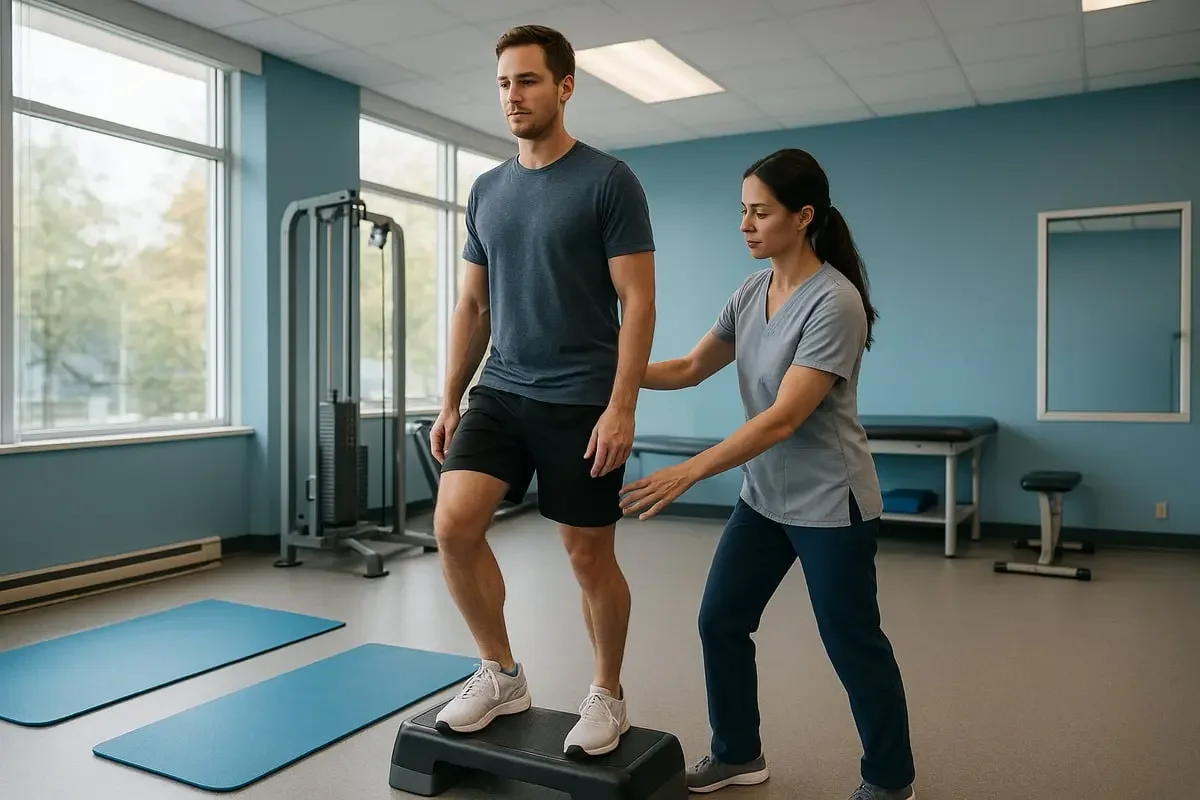
Expert guidance is essential for effective calf strain treatment in North Vancouver. Rehabilitation specialists tailor exercise programs to your injury severity, fitness level, and goals. They monitor your form, adjust your routine, and provide hands-on techniques to address muscle tightness or scar tissue.
Access to on-site gyms and therapy equipment allows for supervised progression. Professionals can introduce advanced exercises, such as plyometrics or resistance band work, when appropriate. Their expertise helps you avoid common pitfalls and maximizes your recovery.
Monitoring and Adjusting Your Recovery
Tracking your progress is a cornerstone of calf strain treatment in North Vancouver. Use simple tools, such as checklists or mobile apps, to record daily pain levels, range of motion, and activity tolerance. This data helps you and your care team make informed decisions about advancing your rehab.
Be alert for signs indicating readiness to progress:
Minimal pain at rest and during basic movements
Ability to perform daily activities without limping
Improved strength and flexibility compared to initial injury
If pain or swelling increases, it is wise to pause and consult your rehabilitation provider. Clear communication ensures your program remains effective and safe.
Return-to-Sport Guidelines
Returning to running, hiking, or team sports is a major milestone in calf strain treatment in North Vancouver. Your provider will use specific criteria to determine readiness, such as:
Pain-free walking and jogging
Full ankle range of motion
Symmetrical calf strength compared to the uninjured side
A stepwise approach is recommended. Start with low-impact activities, increase duration and intensity gradually, and incorporate sport-specific drills before full participation. Regular check-ins with your care team help prevent recurrence and ensure long-term success.
Psychological Aspects of Recovery
Mental resilience is often overlooked in calf strain treatment in North Vancouver. Setbacks, frustration, or fear of re-injury can impact motivation. Maintaining a positive outlook and focusing on small achievements supports ongoing progress.
Consider these strategies:
Set short-term, realistic goals
Connect with local support groups or community programs
Celebrate improvements, no matter how small
Access to supportive professionals and community resources in North Vancouver can make a significant difference in your rehabilitation journey.
Preventing Future Calf Strains
Preventing calf strains is essential for active individuals in North Vancouver. A few simple habits can greatly reduce your risk, whether you are a runner, hiker, or enjoy recreational sports. Adopting the right strategies ensures you can enjoy your activities year-round while minimizing the need for calf strain treatment in North Vancouver.
Warm-Up and Cool-Down Best Practices
A proper warm-up prepares your muscles for activity and helps avoid injuries. Start with light aerobic movement, such as brisk walking or gentle cycling, for five to ten minutes. Follow up with dynamic stretches, moving your legs through a full range of motion.
After your workout, use static stretches to relax the calf muscles and promote recovery. These routines are especially important for those seeking effective calf strain treatment in North Vancouver.
Light cardio to raise body temperature
Dynamic calf stretches before activity
Static stretches held for 20 to 30 seconds post-activity
Sticking to these routines helps maintain muscle elasticity and reduces the likelihood of strain.
Strength and Flexibility Training
Building strong, flexible calf muscles is critical for injury prevention. Incorporate exercises like calf raises, single-leg balances, and resistance band work into your weekly routine. Aim to train the calves two to three times per week.
Include mobility drills to keep your ankles and calves supple. This approach not only supports general fitness but also improves outcomes for those undergoing calf strain treatment in North Vancouver.
Calf raises on stairs
Eccentric heel drops
Seated and standing calf stretches
Consistent strength and flexibility work makes your lower legs more resilient to North Vancouver’s varied terrain.
Footwear and Equipment Choices
Choosing the right footwear is essential for preventing calf strains. Shoes should provide adequate support and cushioning, especially for trail running or hiking. Consider custom orthotics if you have high arches, flat feet, or recurring calf issues.
For more information on how orthotics can help reduce injury risk, see Orthotics in North Vancouver. Proper footwear is a key factor in successful calf strain treatment in North Vancouver.
Replace shoes regularly as tread wears down
Use activity-specific shoes for running, hiking, or sports
Consult a professional for orthotic assessments
Making smart equipment choices supports both performance and injury prevention.
Lifestyle and Training Modifications
Managing your training load is vital for long-term health. Avoid sudden increases in intensity or duration, and schedule rest days to allow muscle recovery. Incorporate cross-training, such as swimming or cycling, to reduce repetitive stress on the calves.
If you are currently focused on calf strain treatment in North Vancouver, these modifications can help prevent setbacks and future injuries.
Gradually increase mileage or intensity
Plan for at least one rest day per week
Mix activities to avoid overuse
These habits build a foundation for sustainable, injury-free activity.
Community Resources and Support
North Vancouver offers a variety of resources to help residents stay healthy and active. Join local sports clubs, running groups, or attend wellness workshops to learn more about injury prevention. For additional guidance, review detailed Calf Strain Prevention Strategies.
Ongoing education and community support reinforce the benefits of proper calf strain treatment in North Vancouver.
Local running and hiking clubs
Injury prevention seminars
Online resources and guides
Connecting with others creates accountability and keeps you motivated to prioritize your health.
When to Seek Specialized Care for Calf Strains
Even with careful self-management, some calf strains require specialized attention. Understanding when to seek expert help can make the difference between a quick recovery and long-term complications. Let’s break down the key moments when professional intervention is essential.
Recognizing Complicated or Chronic Cases
Not all calf injuries heal with rest and home care. If you notice persistent pain, swelling, or bruising several days after injury, it may be time for advanced calf strain treatment in North Vancouver. Watch for signs like:
Difficulty walking or standing on your toes
Numbness, tingling, or weakness in the lower leg
Symptoms that worsen with rest or after initial improvement
Chronic pain, scar tissue formation, or nerve involvement can occur if a strain is not addressed early. Prompt recognition and action improve long-term outcomes for all levels of activity.
Navigating the Healthcare System in North Vancouver
Accessing specialized calf strain treatment in North Vancouver is straightforward with the right approach. Start by consulting your family doctor or a musculoskeletal specialist like a sports chiropractor or physiotherapist, especially for moderate or severe strains. Many providers offer direct billing for insurance, ICBC, and WorkSafe BC claims, making the process more convenient for patients.
Diagnostic tools such as physical exams, ultrasound, or MRI may be recommended to assess the extent of injury. Early intervention with the right specialist ensures a tailored recovery plan and helps prevent chronic issues.
Multidisciplinary Treatment Benefits
A multidisciplinary approach is key for effective calf strain treatment in North Vancouver. Clinics like Mountain Health and Performance bring together chiropractic care, physiotherapy, massage therapy, and advanced modalities. For persistent or chronic cases, evidence-based options such as shockwave therapy for chronic pain can accelerate healing and reduce scar tissue.
Patients often experience better outcomes when care is coordinated across specialties. Success stories from North Vancouver highlight the value of individualized treatment plans and ongoing support from a dedicated team.
Preparing for Your Appointment
Arriving prepared for your calf strain treatment in North Vancouver appointment maximizes your time and helps your provider develop the best plan. Bring:
Details of your injury and symptom timeline
Previous imaging or test results
Footwear or orthotics used during activity
Ask questions such as:
What is my recovery timeline?
Are there advanced therapies suitable for my case?
How can I prevent future strains?
Being informed and proactive ensures you receive optimal care and support throughout your recovery journey.
If you’re looking to take the next step in your calf strain recovery, remember that professional support can make all the difference. At Mountain Health and Performance, our skilled chiropractors bring decades of expertise to help you heal efficiently and prevent future injuries—whether you’re an athlete, a weekend hiker, or just eager to get back to your routine. You deserve care that’s tailored to your needs and grounded in the latest rehabilitation science. Ready to move forward with confidence?
Book with one of our chiropractors today and let’s start your journey back to optimal movement.