North Vancouver Patellar Tendinitis Treatment Guide
Patellar tendinitis in North Vancouver is becoming increasingly common among athletes and active residents, making early intervention and expert care more important than ever. Addressing this condition promptly can mean the difference between a swift recovery and ongoing knee challenges. This guide offers a comprehensive look at patellar tendinitis in North Vancouver, focusing on evidence-based management and the advanced therapies available at Mountain Health and Performance. You will learn about causes, symptoms, diagnosis, treatment options like shockwave therapy, laser therapy, massage therapy, chiropractic care, rehabilitation strategies, prevention tips, and valuable local resources for 2026.
Understanding Patellar Tendinitis: Causes, Symptoms, and Risk Factors
Patellar tendinitis, often called jumper’s knee, is a common knee injury affecting both athletes and active individuals in North Vancouver. This condition targets the patellar tendon, which connects the kneecap to the shinbone. When inflamed or damaged, it can limit strength, function, and mobility, impacting daily life and athletic performance. Patellar tendinitis in North Vancouver is a growing concern as more residents pursue active, outdoor lifestyles.
What Is Patellar Tendinitis?
Patellar tendinitis in North Vancouver develops when repetitive stress or overuse injures the patellar tendon. This tendon is crucial for knee stability during activities like running, jumping, cycling, and hiking. When tiny tears accumulate, the body struggles to heal, leading to pain and dysfunction. Over time, this can restrict an individual’s ability to participate in sports or even daily movements.
Causes and Risk Factors
The most frequent cause of patellar tendinitis in North Vancouver is repetitive jumping and landing, common in basketball, volleyball, and soccer. Sudden increases in training intensity, frequency, or duration can overload the tendon. Other contributing factors include:
Age (typically affects individuals under 40)
Muscle imbalances or weakness in the quadriceps, glutes, or calves
Poor biomechanics, such as abnormal knee alignment
Inadequate warm-up or stretching routines
Improper footwear lacking shock absorption
Training on hard or uneven surfaces
A combination of these risk factors can significantly increase the likelihood of developing patellar tendinitis in North Vancouver.
Recognizing Symptoms and Stages
Symptoms of patellar tendinitis in North Vancouver usually begin as a dull ache just below the kneecap. Early signs may include mild swelling, stiffness after activity, and tenderness to touch. As the condition progresses, pain can worsen during or after exercise, and mobility may decrease. In advanced cases, the tendon can undergo chronic degeneration, making recovery more challenging.
Clinicians recognize several stages, starting from acute inflammation to persistent, degenerative changes within the tendon. Identifying the condition early can prevent it from advancing to these more severe stages, which often require longer rehabilitation.
Prevalence and Local Context
Patellar tendinitis in North Vancouver is particularly prevalent among young athletes engaged in high-impact sports. According to recent research, the incidence in elite athletes can reach up to 14 percent, with recovery times varying from several weeks to months depending on severity. In North Vancouver, a community known for its active population and high sports participation rates, the risk of developing this injury is notable. For more detailed statistics, see the Epidemiology of Patellar Tendinopathy in Athletes and the General Population.
The Importance of Early Action
Recognizing patellar tendinitis in North Vancouver in its initial stages is essential for successful treatment. Early intervention, including assessment by experts at Mountain Health and Performance, can prevent chronic degeneration and support a faster return to activity. Addressing symptoms promptly ensures the best outcome for knee health and long-term mobility.
Diagnosing Patellar Tendinitis in North Vancouver: What to Expect
Early and accurate diagnosis is essential for effective management of patellar tendinitis in North Vancouver. Residents and athletes often present with knee pain that can impact daily life and sports participation, making specialized assessment especially important. Understanding the step-by-step diagnostic journey helps set expectations and ensures timely, targeted care.
Clinical Assessment: The First Steps
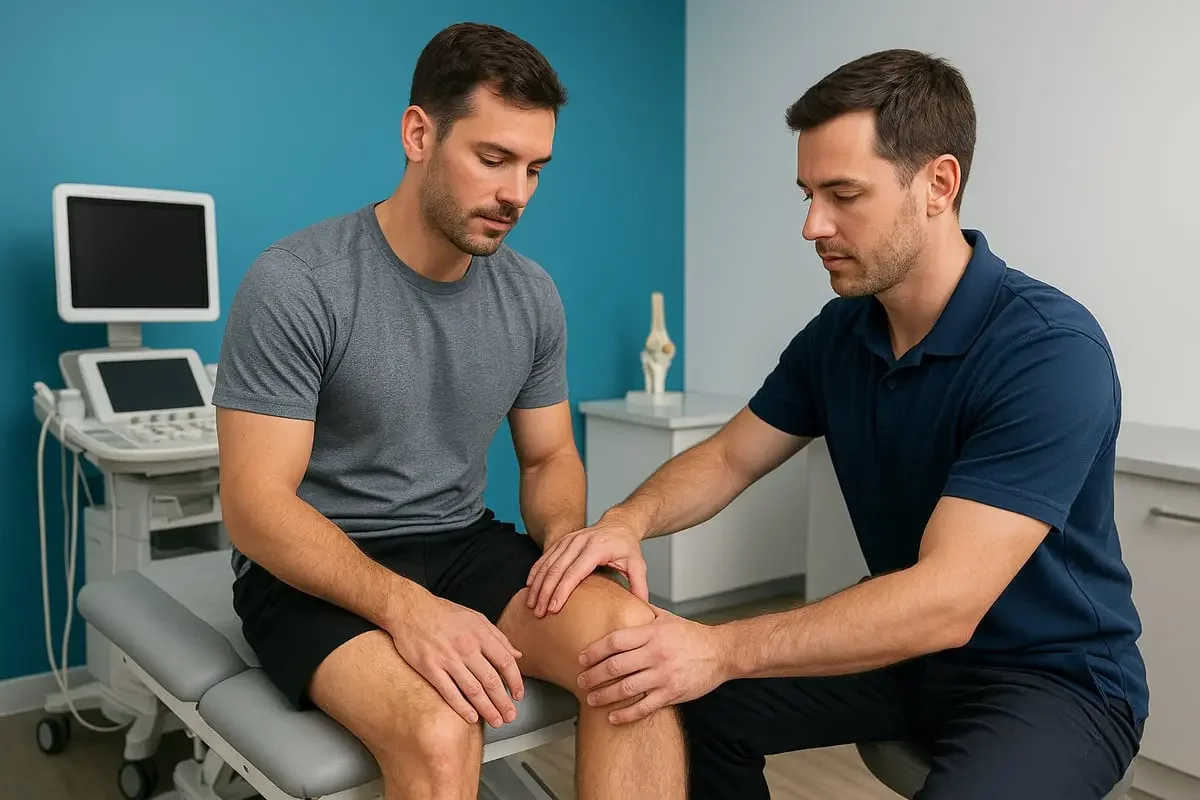
When you visit a clinic for patellar tendinitis in North Vancouver, your journey begins with a comprehensive review of your medical and activity history. Your healthcare provider will ask about:
Recent changes in physical activity or sports routines
Previous knee injuries or conditions
The exact location, onset, and nature of your symptoms
Physical examination follows, focusing on:
Palpation for tenderness just below the kneecap
Range of motion testing to assess flexibility
Strength assessments of the quadriceps and surrounding muscles
Functional tests, such as single-leg squats or jump landings, may be used to pinpoint movement patterns contributing to patellar tendinitis. These steps ensure that the diagnosis is not based solely on symptoms but on a thorough understanding of your knee’s function and biomechanics.
Imaging and Differential Diagnosis
In some cases, your clinician may recommend imaging to confirm the diagnosis or rule out other knee conditions. Common imaging options include:
Imaging Type / When Used / What It Shows
X-ray / If bone injury is suspected / Excludes fractures or calcifications
Ultrasound / For soft tissue evaluation / Detects tendon inflammation or tears
MRI / Persistent, unclear symptoms / Shows detailed tendon structure
Distinguishing patellar tendinitis in North Vancouver from similar issues like patellofemoral pain syndrome or Osgood-Schlatter disease is crucial. A precise diagnosis guides the right treatment plan and prevents unnecessary delays. For more details on the full diagnostic process, see this Patellar Tendinitis Diagnosis and Treatment resource.
The Role of Multidisciplinary Clinics: Mountain Health and Performance
Clinics like Mountain Health and Performance are uniquely positioned to provide a thorough, integrated approach to diagnosing patellar tendinitis in North Vancouver. Here, your assessment may involve a team of experts in chiropractic care, physiotherapy, massage therapy, and advanced modalities.
During your visit, you can expect:
Biomechanical analysis by a chiropractor to evaluate gait and lower limb alignment
Collaboration with physiotherapists for detailed functional and strength assessments
Mountain Health and Performance emphasizes early detection and a patient-centered approach. The team’s combined expertise ensures that all contributing factors to patellar tendinitis in North Vancouver are identified, from muscle imbalances to training errors.
Accurate diagnosis is the cornerstone of effective care. With prompt evaluation and a multidisciplinary perspective, patients in North Vancouver benefit from tailored treatment plans that address the root causes of their knee pain and set the stage for successful recovery.
Evidence-Based Treatment Options for Patellar Tendinitis
Patellar tendinitis in North Vancouver is best addressed through a tailored, evidence-based approach. Mountain Health and Performance offers a diverse range of therapies designed to promote healing, restore function, and prevent recurrence. Understanding the available options is essential for creating an effective recovery plan for patellar tendinitis.
Conservative Management: Rest, Ice, and Activity Modification
Early management of patellar tendinitis Vorth vancouver begins with reducing stress on the affected knee. Patients are advised to rest, apply ice, and make necessary activity modifications to control inflammation and minimize further tendon irritation.
Short periods of rest are beneficial, but complete immobilization should be avoided to prevent stiffness and muscle loss. Instead, Mountain Health and Performance recommends a balanced approach, combining gentle movement with protective strategies. For mild cases of patellar tendinitis in North Vancouver, symptom improvement is often seen within a few weeks when these steps are followed.
Long-term management focuses on identifying and correcting the factors that contributed to the injury. This may include adjusting training routines, improving footwear, or modifying exercise techniques. These foundational strategies set the stage for successful rehabilitation of patellar tendinitis in North Vancouver.
Rehabilitation Exercises and Physiotherapy
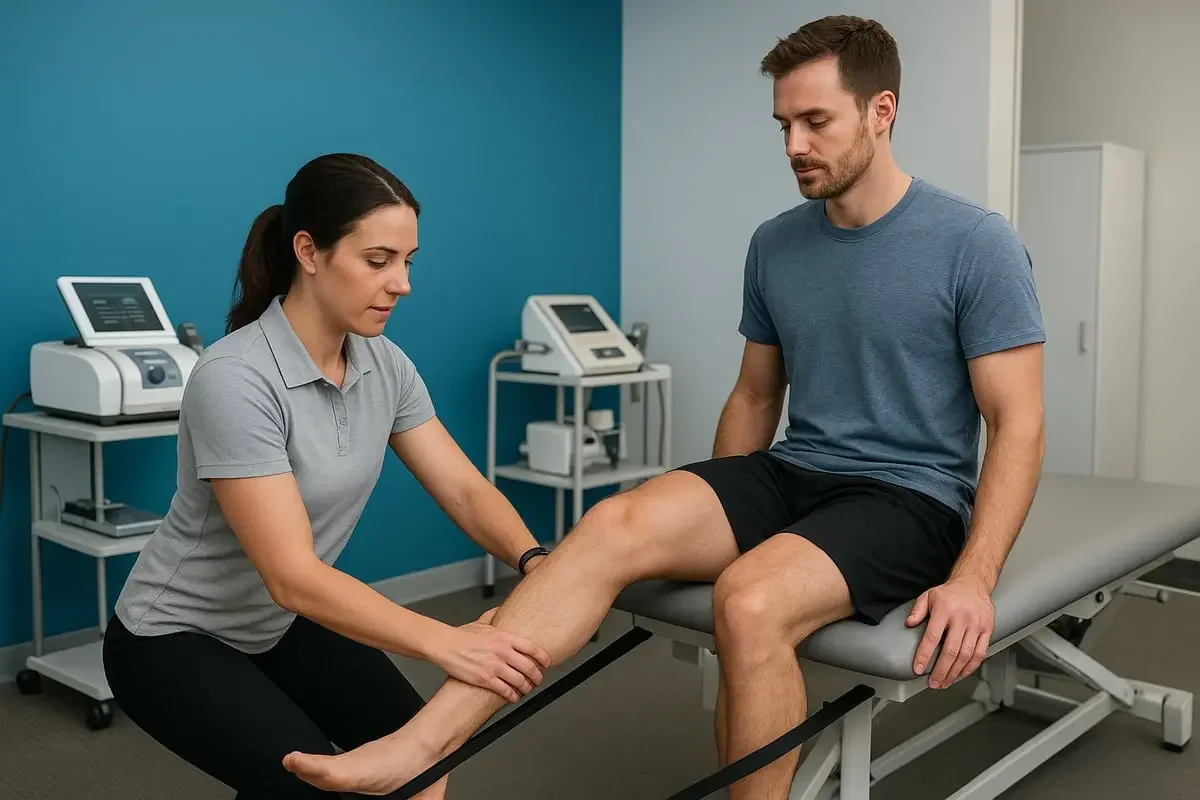
Structured rehabilitation is crucial for patellar tendinitis in North Vancouver. At Mountain Health and Performance, chiropractors and physiotherapists develop individualized exercise programs to restore strength, flexibility, and tendon health.
Eccentric loading exercises are a cornerstone of tendon rehabilitation. These exercises help the patellar tendon adapt to increased demands, which is key in treating patellar tendinitis. Flexibility work for the quadriceps, hamstrings, and calf muscles further supports recovery.
Working with a sport practitioner ensures proper exercise progression and technique. Patients benefit from ongoing assessment and adjustments to their program. Over time, consistent rehabilitation can significantly reduce pain and improve function in patellar tendinitis in North Vancouver.
Advanced Therapies: Shockwave, Laser, and Manual Therapy
For persistent or severe cases of patellar tendinitis, advanced therapies at Mountain Health and Performance are often recommended. Extracorporeal shockwave therapy (ESWT) is a non-invasive option that promotes tendon healing by stimulating cellular repair and increasing blood flow. Many patients with patellar tendinitis in North Vancouver report meaningful pain reduction and improved mobility after a series of shockwave treatments.
Laser therapy is another innovative approach, using targeted light energy to reduce inflammation and accelerate tissue healing. Clinical outcomes show that laser therapy can complement other treatments for patellar tendinitis in North Vancouver, especially in chronic or stubborn cases.
Massage therapy is used to address soft tissue tension and improve circulation around the knee. Techniques such as deep tissue massage and trigger point release can decrease discomfort and support overall rehabilitation.
For more details on the benefits of shockwave therapy, see Shockwave therapy for tendon pain. These advanced modalities are carefully integrated into personalized treatment plans for patellar tendinitis in North Vancouver.
Role of Chiropractic Care in Patellar Tendinitis Management
Chiropractic care plays a vital role in the multidisciplinary approach to patellar tendinitis in North Vancouver. At Mountain Health and Performance, chiropractors conduct detailed biomechanical assessments to identify issues in the kinetic chain that may contribute to knee stress.
Through manual adjustments and mobilizations, chiropractic care helps optimize joint alignment and lower limb function. This holistic approach is often combined with physiotherapy and soft tissue techniques for comprehensive care of patellar tendinitis in North Vancouver.
Patients frequently experience improved movement quality, reduced pain, and a lower risk of recurrence when chiropractic and rehabilitation services are coordinated. This integrative strategy is a hallmark of Mountain Health and Performance’s commitment to treating patellar tendinitis in North Vancouver.
Mountain Health and Performance: Comprehensive Care for Patellar Tendinitis in North Vancouver
Mountain Health and Performance is a trusted resource for those seeking effective treatment for patellar tendinitis. With over 35 years of experience, this multidisciplinary clinic has built a reputation for delivering comprehensive care to athletes and active residents. Their commitment to personalized treatment ensures every patient receives targeted solutions for lasting recovery.
The clinic’s approach to patellar tendinitis in North Vancouver begins with a thorough assessment. Chiropractors at Mountain Health and Performance specialize in analyzing movement patterns and biomechanics. They provide hands-on manual therapy, joint mobilizations, and corrective exercises to restore optimal knee function. This integrative care model addresses not just symptoms, but the root causes of patellar tendinitis, supporting both acute and chronic cases.
Registered Massage Therapists can play a pivotal role in managing patellar tendinitis in North Vancouver. They use advanced soft tissue techniques to reduce pain, increase blood flow, and improve flexibility around the knee. Massage therapy is often combined with other modalities, helping to speed up healing and decrease muscle tension. Patients benefit from a coordinated care plan that targets both the tendon and surrounding structures for optimal results.
For individuals with stubborn or recurring symptoms, Mountain Health and Performance offers advanced therapies. Extracorporeal shockwave therapy (ESWT) stimulates tendon healing and reduces discomfort in cases of persistent patellar tendinitis. The clinic also utilizes laser therapy, an innovative treatment designed to decrease inflammation and accelerate tissue repair. To learn more about the benefits of this approach, visit their detailed resource on laser therapy for injury recovery.
Patient-centered care is the cornerstone of the clinic’s philosophy. Treatment plans for patellar tendinitis in North Vancouver are tailored to each individual’s goals and activity level. The team provides one-on-one attention throughout every phase of recovery. With direct billing to insurance, ICBC, and WorkSafe BC, access to care is streamlined. Conveniently located in North Vancouver, the clinic offers flexible hours and a supportive environment for all patients seeking relief from knee pain.
Step-by-Step Rehabilitation and Recovery Process
Recovering from patellar tendinitis in North Vancouver requires a structured approach, tailored to your needs and activity level. Mountain Health and Performance uses a proven, multidisciplinary strategy to guide you through every stage, ensuring optimal healing and a safe return to action.
Initial Phase: Pain Reduction and Protection
The first step in managing patellar tendinitis is to reduce pain and inflammation. Mountain Health and Performance emphasizes early intervention, combining rest with targeted therapies to protect the knee joint.
Specialists may recommend:
Short-term use of supportive braces or taping to limit stress on the patellar tendon
Application of ice to manage swelling
Gentle range-of-motion and isometric exercises to maintain mobility
Laser therapy is often introduced early to decrease inflammation and accelerate tissue repair. Massage therapy helps reduce muscle tension and improve circulation, contributing to pain relief. Education is a core focus, empowering patients with knowledge to make informed decisions about their activity levels and self-care routines.
Most clients notice improvement in symptoms within two to three weeks, especially when following a personalized plan for patellar tendinitis in North Vancouver.
Progressive Strengthening and Functional Restoration
Once pain is controlled, the focus shifts to rebuilding strength and restoring function. At Mountain Health and Performance, physiotherapists and chiropractors develop progressive exercise programs that address the unique demands of patellar tendinitis in North Vancouver.
Key components include:
Eccentric strengthening exercises for the quadriceps and patellar tendon
Weight-bearing and functional movements to enhance lower limb stability
Core and hip strengthening to support overall biomechanics
Shockwave therapy may be integrated for cases that are slow to respond, promoting tendon healing and reducing chronic discomfort. Chiropractic care is used to assess alignment and correct movement patterns, ensuring the entire kinetic chain is working efficiently.
Progress is closely monitored, with regular reassessment to guide exercise progression. Typical milestones include increased pain-free range of motion, improved muscle strength, and the ability to perform daily activities without discomfort. For more detailed strategies on overuse injury recovery, see Preventing overuse sports injuries.
Return to Activity and Sport-Specific Training
The final stage of rehabilitation prepares you for a safe return to your sport or active lifestyle. Mountain Health and Performance tailors sport-specific drills and plyometric exercises to mimic real-life demands and reduce the risk of reinjury for those with patellar tendinitis in North Vancouver.
Criteria for progression include:
Pain-free performance of functional tasks
Restoration of strength and flexibility to pre-injury levels
Mastery of proper movement mechanics
Ongoing self-management education is provided, including warm-up routines and load management tips. Success stories from local athletes highlight the effectiveness of this comprehensive approach, making long-term knee health a reality for those recovering from patellar tendinitis in North Vancouver.
Prevention Strategies and Long-Term Knee Health
Preventing patellar tendinitis in North Vancouver is not just about stopping pain before it starts. It is about investing in your long-term knee health and athletic potential. For active residents and athletes in North Vancouver, a proactive approach can make all the difference. Mountain Health and Performance offers a comprehensive suite of evidence-based therapies designed to address both the causes and consequences of this condition.
Addressing Biomechanical and Training Risk Factors
One of the most effective ways to prevent patellar tendinitis in North Vancouver is by targeting underlying risk factors. These include poor biomechanics, muscle imbalances, and training errors. At Mountain Health and Performance, chiropractic care plays a key role in assessing and correcting movement patterns. Through detailed biomechanical assessments, practitioners identify areas of weakness or compensation that can place extra stress on the knee. By integrating chiropractic adjustments with personalized rehabilitation, patients can restore optimal movement and reduce their risk of recurring injury. For more insight on how these strategies are applied, see Chiropractic care in North Vancouver.
Warm-Up Routines and Flexibility Programs
A thorough warm-up routine is essential for anyone looking to avoid patellar tendinitis in North Vancouver. Dynamic stretches, soft tissue work, and flexibility exercises help prepare the knee for activity. Registered Massage Therapy at Mountain Health and Performance supports these efforts by improving circulation, reducing muscle tension, and increasing range of motion. Regular massage sessions can complement your home routine, ensuring that muscles and tendons are ready for the demands of sport or recreation.
Strength and Conditioning Protocols
Building strength is a cornerstone of prevention for patellar tendinitis in North Vancouver. Progressive strengthening of the quadriceps, hamstrings, hips, and core stabilizes the knee and absorbs impact forces. Mountain Health and Performance offers tailored physiotherapy and exercise programs, including eccentric loading exercises proven to support tendon health. Shockwave therapy may be recommended as a preventive measure for those with early signs of tendon irritation, helping to stimulate healing and reduce inflammation before chronic changes set in.
Proper Footwear Selection and Equipment Advice
Wearing the right footwear is another simple yet powerful step for reducing the risk of patellar tendinitis in North Vancouver. Shoes that provide appropriate support and cushioning can minimize the strain on your knee during high-impact activities. The team at Mountain Health and Performance can advise on shoe selection and even recommend orthotics or equipment modifications if needed.
Education on Load Management and Gradual Activity Progression
Education is a vital component in preventing patellar tendinitis in North Vancouver. Patients at Mountain Health and Performance receive guidance on how to safely increase training loads, recognize early warning signs, and avoid sudden spikes in activity. Laser therapy may be utilized as part of an integrated plan to manage minor flare-ups, promote tissue recovery, and keep you on track with your goals. Regular check-ins with your care team ensure that any potential issues are addressed early, supporting long-term resilience.
Regular Check-Ups and Community Resources
Ongoing support is critical for maintaining knee health in patellar tendinitis in North Vancouver. Regular assessments at Mountain Health and Performance allow for early detection of biomechanical changes or recurring symptoms. The clinic works closely with local sports organizations and community health programs to provide education, injury screenings, and workshops for athletes of all ages. By staying informed and engaged, you can access a network of resources dedicated to your well-being.
Long-Term Results and Prevention Effectiveness
Research shows that a multifaceted prevention strategy greatly reduces the recurrence of patellar tendinitis. Statistics indicate that with early intervention, individualized care, and ongoing education, the risk of chronic knee issues can be significantly lowered. Mountain Health and Performance’s patient-centered approach ensures that each individual receives the support and tools needed for lifelong knee health. Do not wait for pain to return. Empower yourself with proven prevention strategies and stay active for years to come.
As you’ve learned, effective management of patellar tendinitis often requires a comprehensive approach, especially when pain lingers or keeps you from the activities you love. If you’re ready to take the next step in your recovery, shockwave therapy is one evidence-based option that’s shown real results for stubborn tendon pain. At Mountain Health and Performance, you can access advanced shockwave treatments delivered by experienced professionals who truly understand sports injuries and knee health. Let’s work together toward lasting relief and stronger, pain-free movement. Book your shockwave session today.