Recovery Strategies for Traveling Athletes and Active Professionals
Introduction
Whether you’re a competitive athlete heading to a tournament or a busy professional flying cross-country for work, travel takes a toll.
Between jet lag, cramped planes, time-zone changes, and disrupted routines, the body’s natural recovery systems struggle to keep up.
At Mountain Health and Performance (MHP) in North Vancouver, we regularly see athletes and active clients return from travel with tight muscles, disrupted sleep, poor hydration, and reduced mobility, all of which can affect both performance and well-being.
This article outlines evidence-based strategies to recover, adapt, and stay resilient while traveling.
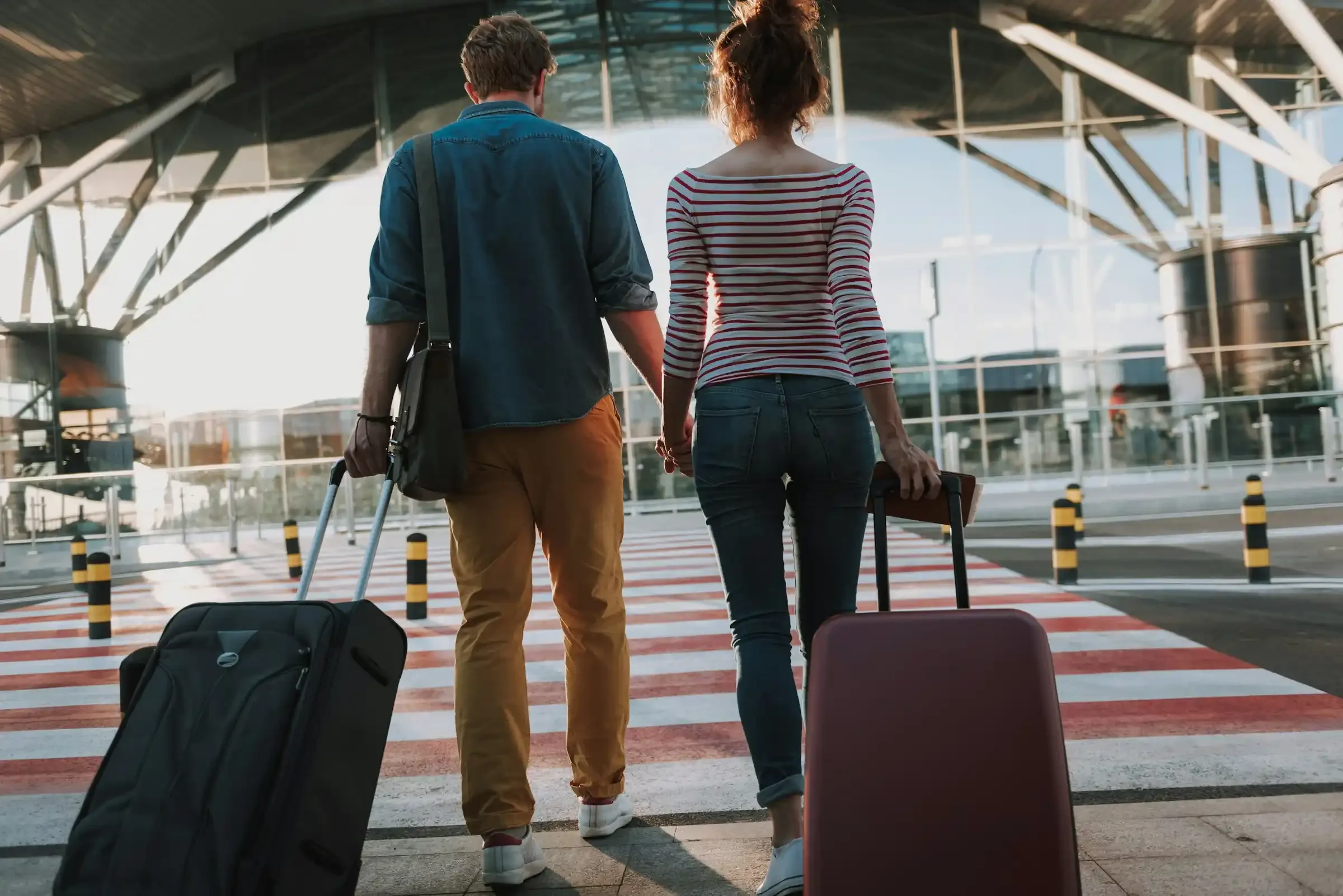
How Travel Impacts Recovery
Long flights, altered sleep cycles, and repetitive sitting all disrupt your body’s rhythm.
Key physiological effects include:
Circulatory restriction: Prolonged sitting reduces blood flow to muscles, increasing stiffness.
Sleep disruption: Jet lag interferes with melatonin and cortisol cycles.
Inflammation and oxidative stress: Air travel and altitude exposure elevate oxidative load.
Muscle deconditioning: Reduced activity affects muscle activation and coordination.
1. Optimize Sleep and Circadian Rhythm
Sleep is the cornerstone of recovery and it’s the first thing travel disrupts.
Evidence-Based Sleep Strategies
Adjust light exposure: Research shows that morning sunlight exposure (within 1 hour of waking) helps reset circadian rhythm after time-zone changes.
Maintain consistent sleep and wake times as much as possible.
Use light-blocking and sound-control aids. A simple eye mask and earplugs can significantly improve sleep quality in new environments. Using blue-light blocking glasses strategically can help with melatonin release as certain times of day/night.
Avoid caffeine and alcohol at least 6 hours before bedtime to prevent delayed melatonin release.
At MHP, we emphasize circadian hygiene for our North Vancouver athletes, especially those competing in multiple time zones.
2. Movement Is Medicine
One of the best travel recovery tools is simple: move often.
Sitting for hours compresses the spine, tightens hip flexors, and reduces blood circulation.
Every 60–90 minutes, try:
Standing calf raises (10–15 reps)
Shoulder rolls and arm circles
Gentle spinal twists
Hip flexor or hamstring stretches
A 2024 Scandinavian Journal of Medicine & Science in Sports study found that athletes who performed in-flight mobility exercises had 30% lower reports of post-travel stiffness and better next-day training quality.
When you land, aim for 10–15 minutes of light activity (like walking or dynamic stretching) to restore mobility and improve circulation.
3. Prioritize Hydration and Nutrition
Airplane cabins have humidity levels as low as 10–20%, promoting dehydration.
Hydration tips for travelers:
Aim for 250–300 mL of water per hour of flight time.
Add electrolytes during long-haul travel or in hot destinations.
Limit caffeine and alcohol, both of which dehydrate and elevate heart rate.
Nutrition-wise, focus on:
Protein-rich snacks (nuts, jerky, Greek yogurt) to reduce muscle breakdown.
Fruits and vegetables for antioxidants and fiber.
Avoid ultra-processed airport meals that spike inflammation and fatigue.
4. Use Red Light Therapy for Jet Lag and Muscle Recovery
Red light therapy has gained strong scientific backing for supporting cellular recovery, especially in athletes facing disrupted sleep or fatigue.
Mountain Health and Performance will soon be offering full-body red light therapy which can be used by traveling athletes and professionals to:
Reduce inflammation and oxidative stress
Improve mitochondrial energy production
Enhance sleep quality and circadian rhythm adaptation
It’s a non-invasive, drug-free tool that accelerates both muscle recovery and circadian adaptation post-travel.
5. Manage Stress and Nervous System Load
Travel is inherently stressful. Schedule changes, unfamiliar environments, and performance pressure all activate the sympathetic (“fight or flight”) system.
To counter this, integrate parasympathetic recovery strategies:
Box breathing (inhale 4 sec, hold 4 sec, exhale 4 sec, hold 4 sec)
Guided relaxation or meditation apps
Massage therapy to reduce muscle tone and cortisol levels
Our MHP massage therapists and chiropractors often incorporate these principles into recovery care plans for frequent travelers.
6. Restore Mobility with Manual Therapy
If travel leaves you feeling “tight” or “compressed,” manual therapy helps restore proper movement mechanics.
Common issues treated post-travel include:
Tight hip flexors and hamstrings
Lumbar spine stiffness
Shoulder and neck tension from prolonged sitting
Techniques like soft-tissue therapy, active release, and spinal adjustments can reestablish mobility and reduce nervous system tension.
7. Plan Recovery Windows
Many athletes and professionals underestimate how long it takes to fully recover from travel.
A good rule of thumb is to allow one day of light activity per time zone crossed before major performance or training sessions.
Use that time for:
Low-intensity workouts (walking, yoga, light cycling)
Red light therapy or infrared sauna sessions
Mobility and tissue recovery
When travel is frequent, build recovery into the schedule, not around it.
8. Build a Personalized Travel Recovery Toolkit
Each person’s travel stressors differ, so building a personalized plan can make all the difference.
At Mountain Health and Performance, our clinicians often recommend:
Portable mobility tools: mini massage ball, resistance band, or travel foam roller.
Supplements: magnesium glycinate for sleep and muscle relaxation; electrolytes for hydration.
Recovery tech: compression boots or portable percussive devices for circulation.
Combining these with structured chiropractic, massage, or red light sessions upon return accelerates recovery and helps prevent cumulative fatigue.
Key Takeaways
Travel stress disrupts recovery, sleep, and performance.
Movement, hydration, and structured rest are key to adaptation.
Red light therapy and manual care enhance muscle recovery and circadian balance.
Breathing and mindfulness techniques reduce stress load.
Build recovery time into your travel schedule for sustained performance.
At Mountain Health and Performance in North Vancouver, we help athletes and professionals recover faster and perform at their best, no matter where their schedule takes them.