
Active Release and Functional Range Release: Targeting Muscle Tension for Headache Relief
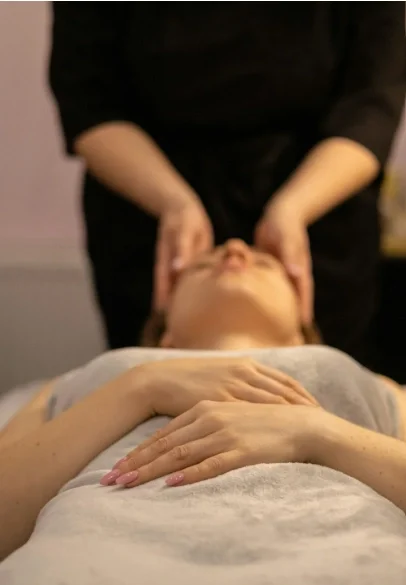
Headaches can be frustrating, especially when they start interfering with your daily life. While they can have many causes including stress, posture and underlying medical conditions, one very common contributor is tight, overactive muscles in the neck, shoulders, and jaw. Addressing these muscles directly can often make a noticeable difference in reducing headache frequency and intensity.
At Mountain Health and Performance we use Active Release Techniques (ART) and Functional Range Release (FRR) to assess and treat these tight muscle groups. Both methods focus on identifying areas of restricted movement and tension, then applying targeted manual therapy to help restore normal function. This not only improves mobility but can also reduce the constant pull and pressure on surrounding joints and nerves which can contribute to headaches.
How treating the muscles can help
Some research has shown that Botox can reduce headache frequency by relaxing overactive muscles in the head and neck. While our approach is completely drug-free, the principle is somewhat similar; by releasing tension and restoring normal muscle tone, we aim to reduce strain on pain-sensitive structures. Techniques like ART and FRR work by manually lengthening and softening these muscles, which can help break the cycle of tightness and irritation that feeds certain types of headaches.
Why this matters for tension-type and posture-related headaches
If you spend long hours at a desk, on a phone, or doing repetitive tasks, certain muscles can become chronically shortened and overworked. This muscular tension can radiate upward, leading to headaches that seem to start at the base of the skull, temples, or even behind the eyes. By targeting these problem areas directly, we can help improve posture, restore movement, and reduce the tension that triggers your symptoms.
Combining muscle treatment with other headache strategies
ART and FRR work best as part of a bigger plan. We often combine these treatments with gentle joint mobilization, adjustments, postural exercises, ergonomic advice, and home stretching. This multi-approach strategy addresses not just the symptoms but also the underlying habits and mechanics that keep headaches coming back.
If you’ve been living with headaches and suspect that muscle tension could be part of the problem, consider booking an assessment. We can determine if manual muscle release techniques may be a helpful part of your recovery plan.
Drs. Amy Wiggins, Paul Wiggins, and Matt Wentzell are all certified in myofascial release techniques (ART or FR).
Dr. Amy Wiggins
BKin, DC
North Vancouver Chiropractor