PFPS Treatment Guide: Effective Strategies for North Vancouverites
Are you frustrated by persistent knee pain keeping you from your favorite activities? Patellofemoral pain syndrome is a common challenge for active individuals and can make every step a struggle.
This PFPS Treatment Guide offers a clear, evidence-based path to recovery, designed to help you reclaim mobility and confidence. At Mountain Health and Performance, our team specializes in integrated care, combining chiropractic, physiotherapy, and massage therapy to address PFPS from every angle.
Explore the causes, symptoms, and the latest PFPS treatment strategies. Take the first step toward a pain-free, active lifestyle by following our expert guide.
Understanding PFPS: Causes, Risk Factors, and Prevalence
Struggling with knee pain that limits your movement? Patellofemoral pain syndrome (PFPS), often called “runner’s knee,” is one of the most common sources of persistent knee discomfort. Understanding why PFPS develops is the first step in effective PFPS treatment and long-term relief.
What is Patellofemoral Pain Syndrome?
Patellofemoral pain syndrome, or PFPS, refers to pain at the front of the knee, around or behind the kneecap. It is commonly seen in athletes, teenagers, adults, and even those with sedentary lifestyles. PFPS accounts for up to 25% of all knee injuries in sports medicine clinics. Unlike meniscus tears or ligament injuries, PFPS involves irritation of the tissues where the kneecap meets the thigh bone.
This condition affects both active and less active individuals, making it widespread. According to Understanding and Preventing Runner's Knee, early recognition and targeted PFPS treatment can significantly improve outcomes for all age groups.
Key Causes of PFPS
PFPS often develops from overuse or repetitive stress, such as running, jumping, or cycling. Muscle imbalances, especially weak quadriceps, hip abductors, and gluteal muscles, can strain the knee joint. Poor biomechanics, like flat feet or knock knees, also increase the risk.
Sudden increases in activity or improper training techniques may overload the knee. Previous injuries leave the joint more susceptible, highlighting the need for individualized PFPS treatment that addresses both symptoms and root causes.
Risk Factors and Contributing Elements
Certain factors make some people more vulnerable to PFPS. Adolescent females are at higher risk, likely due to anatomical and hormonal influences. Inadequate footwear, hard training surfaces, and poorly fitted equipment can contribute.
Obesity and a sedentary lifestyle strain knee structures, while specific jobs or hobbies that involve kneeling or squatting increase exposure. Recognizing these risk factors is critical for effective PFPS treatment and prevention.
Example Scenarios
Consider a runner who increases their weekly mileage quickly and develops persistent knee pain. Without guidance, they may ignore symptoms, risking chronic PFPS. An office worker who sits for long periods can also develop PFPS due to weak hip muscles and poor posture.
Both scenarios highlight the importance of early assessment and intervention. At Mountain Health and Performance, chiropractic, physiotherapy, and massage therapy work together to address these unique challenges and support optimal PFPS treatment.
Key Insights
Early identification of PFPS risk factors prevents chronic pain and long-term disability. Statistics show that PFPS accounts for 10-40% of all knee pain cases in sports clinics. Comprehensive PFPS treatment, including chiropractic adjustments, physiotherapy exercises, and massage therapy, offers the best chance for full recovery.
A team-based, patient-centered approach ensures that underlying issues are identified and resolved. Investing in prevention and early care delivers measurable results for athletes and non-athletes alike.
Recognizing PFPS: Signs, Symptoms, and Diagnosis
Patellofemoral pain syndrome can be challenging to identify in its early stages. Recognizing symptoms and seeking the right support is crucial for effective PFPS treatment. At Mountain Health and Performance, our team of chiropractic, physiotherapy, and massage experts specializes in pinpointing the root of knee pain and guiding patients toward recovery.
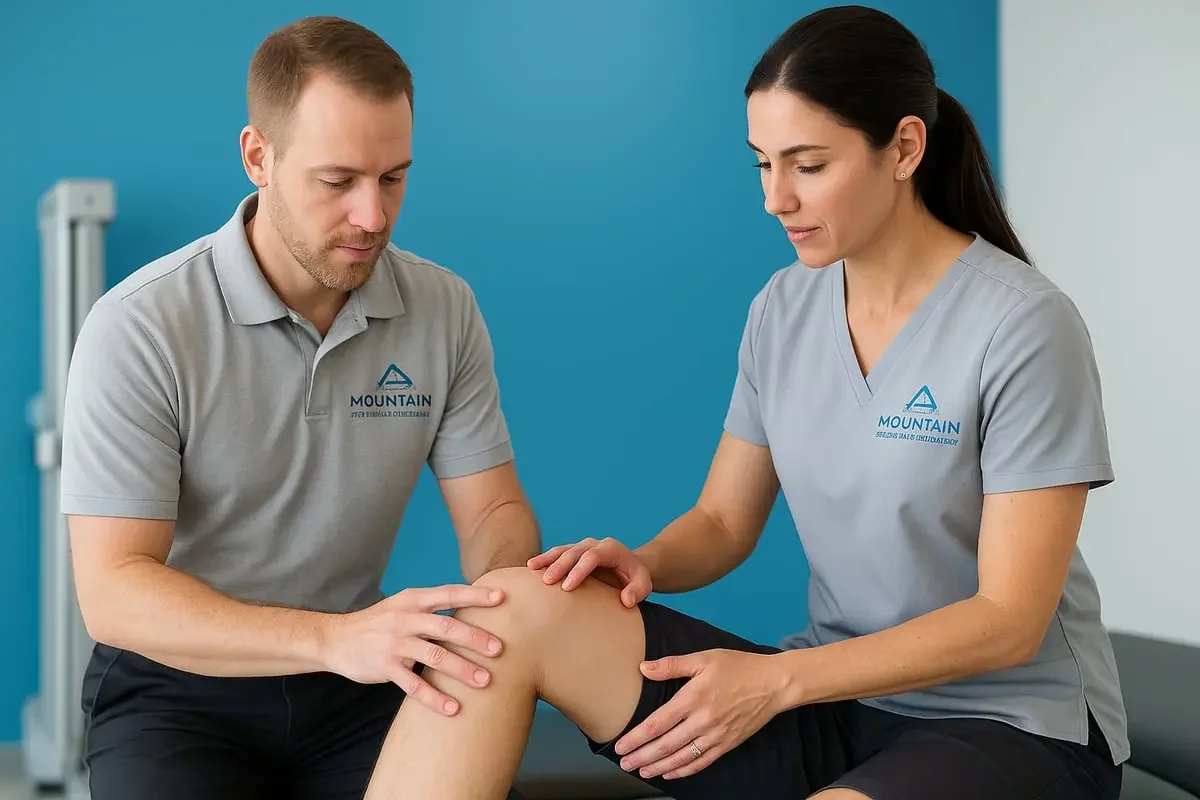
Common Symptoms of PFPS
PFPS often presents as a dull, aching pain at the front of the knee, especially noticeable during activities like climbing stairs, squatting, or sitting for extended periods. Many individuals also report discomfort when running or jumping. Swelling, mild popping, or a grinding sensation around the kneecap can signal the need for PFPS treatment.
Symptoms may worsen after periods of inactivity, such as sitting through a movie or long car rides. These warning signs should never be ignored, as early recognition makes a significant difference in recovery outcomes.
Diagnostic Process
At Mountain Health and Performance, diagnosing PFPS begins with a thorough history and physical examination. Clinicians assess knee alignment, muscle strength, and movement patterns to distinguish PFPS from other knee conditions. Functional tests help pinpoint imbalances that may contribute to pain.
Occasionally, imaging such as X-rays or MRI is recommended to rule out other injuries. For further details on evidence-based approaches, see the Patellofemoral Pain Syndrome Diagnosis and Treatment resource. Timely and accurate diagnosis is the foundation of effective PFPS treatment.
When to Seek Professional Help
Persistent knee pain, severe swelling, or difficulty bearing weight are clear signs to seek professional care. If the knee locks or gives way, immediate assessment is necessary. Early intervention from specialists in chiropractic, physiotherapy, and massage therapy can prevent complications.
Mountain Health and Performance offers prompt appointments for those experiencing these symptoms. Prioritizing expert evaluation ensures the most appropriate PFPS treatment is started without delay.
Key Arguments and Insights
Self-diagnosing knee pain can lead to prolonged discomfort and missed opportunities for effective recovery. Professional assessment enables tailored PFPS treatment plans that address unique biomechanical and muscular issues.
Research shows early intervention can reduce the risk of chronic pain and long-term disability. Our multidisciplinary approach combining physiotherapy, chiropractic care, and massage therapy, offers comprehensive support for lasting results.
Step-by-Step PFPS Treatment Strategies
Persistent knee pain can feel overwhelming, but a structured approach to PFPS treatment can empower you to reclaim your mobility. At Mountain Health and Performance, our team uses a step-by-step method to address the root causes of pain, combining physiotherapy, chiropractic care, and massage therapy for optimal recovery.
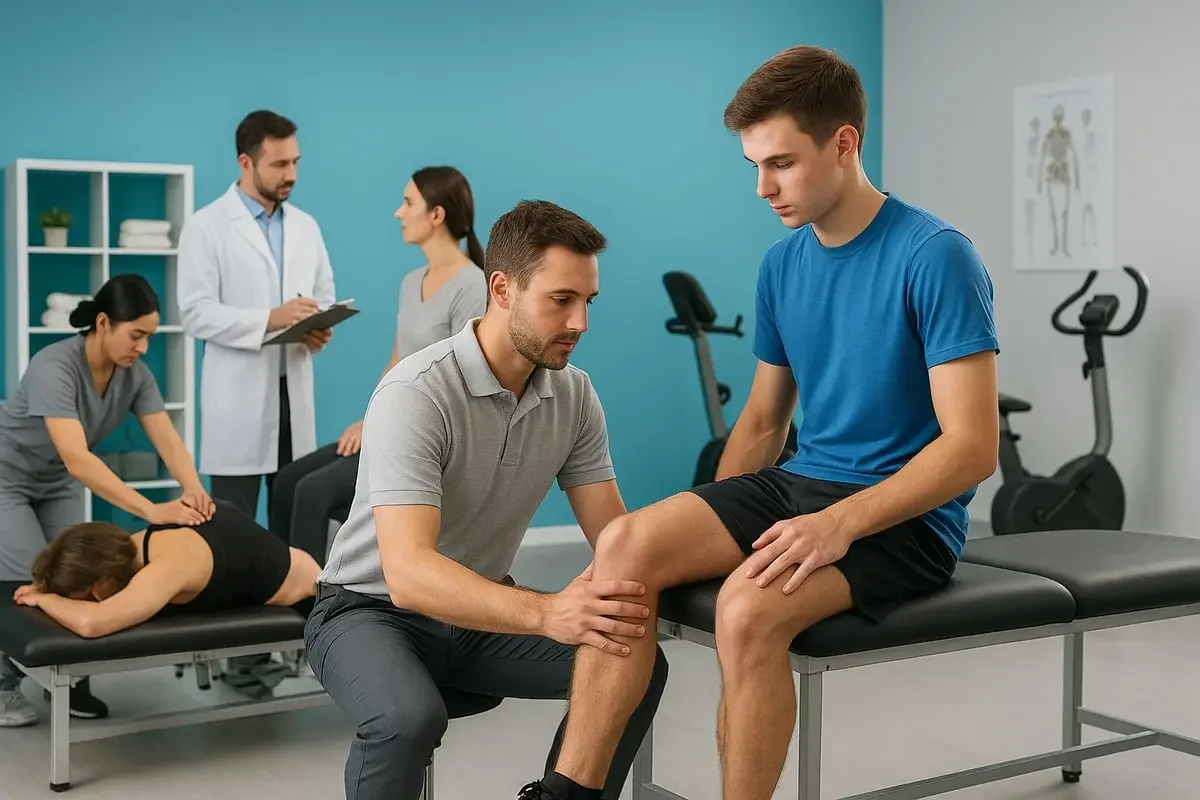
Step 1: Activity Modification and Load Management
The first step in PFPS treatment is adjusting your activities to minimize knee stress. Reducing or temporarily stopping aggravating movements like running, deep squats, or jumping helps calm inflammation and prevent further injury.
Your clinician will guide you in designing a gradual return-to-activity protocol. This might include cross-training, such as swimming or cycling, to maintain cardiovascular fitness without overloading your knee.
Switch to low-impact exercises during flare-ups
Follow a progressive loading plan as symptoms improve
Use symptom tracking to guide activity adjustments
At Mountain Health and Performance, our experts customize these strategies based on your activity level and goals. Early activity modification is crucial for successful PFPS treatment and sets the stage for long-term knee health.
Step 2: Evidence-Based Physiotherapy Interventions
Physiotherapy is central to effective PFPS treatment. Our physiotherapists perform a thorough assessment to identify muscle weaknesses, imbalances, and faulty movement patterns contributing to pain.
A tailored exercise program typically targets the quadriceps, hip abductors, and gluteal muscles. Stretching tight structures like the IT band, hamstrings, and calves also relieves tension around the knee.
Strengthen key muscle groups for support and alignment
Incorporate stretching routines to improve flexibility
Practice neuromuscular retraining for better movement control
Taping or bracing may be used to improve patellar alignment and provide stability. Research shows that up to 90% of patients experience significant relief from structured physiotherapy as part of their PFPS treatment plan. Our team emphasizes patient education to promote active participation and faster recovery.
Step 3: Chiropractic Care for PFPS
Chiropractic care plays a vital role in a multidisciplinary PFPS treatment strategy. Chiropractors at Mountain Health and Performance address joint restrictions in the knee, hip, and lower back that may contribute to faulty biomechanics.
Manual therapy techniques, including spinal and extremity adjustments, can optimize movement and relieve stress on the patellofemoral joint. Soft-tissue mobilization targets surrounding muscles to reduce tension and improve flexibility.
Assess and correct joint restrictions impacting knee function
Provide adjustments to restore optimal biomechanics
Use soft-tissue therapy for muscular tightness
Chiropractic care is especially effective when combined with physiotherapy and exercise. Many patients report quicker pain reduction and improved movement after integrated PFPS treatment, allowing a safer return to activity.
Step 4: Massage Therapy for Pain Relief and Recovery
Massage therapy is an essential component of PFPS treatment, focusing on pain relief, muscle relaxation, and improved circulation. Registered massage therapists at Mountain Health and Performance use techniques such as myofascial release for the quadriceps, IT band, and calf muscles.
Trigger point therapy helps address referred pain, while regular massage sessions reduce inflammation and speed up healing. Integrating massage with physiotherapy and chiropractic care enhances outcomes for acute and chronic cases.
Myofascial release for tight muscle groups
Trigger point therapy to alleviate referred discomfort
Massage to boost blood flow and tissue recovery
To learn more about available options, visit our page on Massage Therapy in North Vancouver. Our team ensures massage is safely incorporated into your individualized PFPS treatment plan.
Step 5: Adjunctive and Advanced Modalities
For chronic or resistant cases, adjunctive therapies offer additional support within a comprehensive PFPS treatment approach. Shockwave therapy can stimulate tissue healing and reduce pain for patients who do not respond to standard interventions.
Laser therapy is another non-invasive option that promotes cellular repair and decreases inflammation. Orthotics may be recommended to correct foot biomechanics and relieve abnormal knee loading. Taping techniques, such as McConnell taping, provide immediate pain relief and support during activity.
Shockwave therapy for persistent symptoms
Laser therapy to accelerate tissue repair
Custom orthotics for biomechanical correction
Taping for stability and pain management
At Mountain Health and Performance, advanced modalities are carefully selected and tailored to your specific needs, ensuring every aspect of PFPS treatment is addressed.
Key Insights and Arguments
A multidisciplinary approach is the gold standard for PFPS treatment, yielding superior outcomes compared to isolated therapies. Customization based on your unique assessment allows for targeted interventions that address the root causes of pain.
Patient education is fundamental to long-term success. Understanding the importance of adherence to prescribed exercises and self-care strategies reduces recurrence and enhances recovery.
Multidisciplinary care improves outcomes and satisfaction
Individualized treatment plans address each patient's specific needs
Education and active participation are crucial for lasting results
By working closely with the team at Mountain Health and Performance, you gain access to physiotherapy, chiropractic care, massage therapy, and advanced modalities, empowering you to overcome knee pain and return to the activities you love.
How Mountain Health and Performance Can Help PFPS Recovery
Finding the right solution for patellofemoral pain syndrome can be overwhelming. At Mountain Health and Performance, patients receive comprehensive care designed to address the root causes of PFPS, not just the symptoms. The team’s integrated approach ensures every aspect of your recovery is supported, from initial assessment to your return to activity.
Integrated Multidisciplinary Services
Mountain Health and Performance provides a full spectrum of services for effective PFPS treatment. Their offerings include:
Chiropractic care for joint alignment and biomechanical optimization
Physiotherapy focused on targeted strengthening, mobility, and movement correction
Registered massage therapy to relieve muscle tension, improve circulation, and reduce inflammation
Advanced modalities like shockwave therapy for persistent cases
This collaborative model ensures that each patient benefits from multiple perspectives and evidence-based interventions.
Individualized Assessment and Care
Every PFPS treatment plan at Mountain Health and Performance begins with a thorough, personalized assessment. Clinicians identify movement patterns, muscle imbalances, and biomechanical issues unique to each patient. This detailed evaluation guides the selection of therapies, such as manual adjustments, exercise prescription, and myofascial release, ensuring care is tailored to your specific needs.
Direct communication among the team allows for seamless transitions between providers. Patients are often guided through a combination of hands-on therapy and progressive exercise, maximizing recovery and reducing recurrence risk.
Patient-Centered Approach and Success Stories
With over 35 years of experience in sports injury and musculoskeletal rehabilitation, the team has helped countless athletes and active individuals overcome PFPS. Patients benefit from direct billing for insurance, ICBC, and WorkSafeBC claims, making access to care simple and stress-free.
Convenient location, flexible scheduling, and a welcoming environment further support your recovery journey. Many local athletes and weekend warriors have returned to sport pain-free thanks to Mountain Health and Performance’s holistic PFPS treatment strategies.
For persistent or chronic PFPS, the clinic also offers Shockwave Therapy for Chronic Tendon Pain, enhancing outcomes when traditional methods need extra support.
If you are seeking a trusted partner for PFPS treatment, Mountain Health and Performance delivers the expertise, resources, and personalized attention you need to reclaim your active lifestyle.
Home Management & Self-Care Strategies for PFPS
Struggling with patellofemoral pain at home can be frustrating, but the right PFPS treatment strategies can help you regain comfort and mobility. At Mountain Health and Performance, clinicians empower patients with evidence-based self-care routines that complement in-clinic chiropractic, physiotherapy, and massage therapy. By integrating these approaches, you can accelerate healing and reduce the risk of recurrence.
At-Home Exercise Programs
Consistent exercise is a cornerstone of PFPS treatment. Start with gentle strengthening for the quadriceps, hip abductors, and glutes. Incorporate stretches for the IT band, hamstrings, and calves to maintain flexibility.
A simple routine might include:
Straight leg raises
Clamshells
Hip bridges
Calf and hamstring stretches
Progress gradually, increasing repetitions or resistance only when pain is controlled. Mountain Health and Performance physiotherapists tailor home programs to your needs, ensuring you can safely continue between clinic visits.
Pain Management Techniques
Managing discomfort is vital for effective PFPS treatment. Use ice packs to reduce swelling after activity, or apply gentle heat to relax tense muscles. Over-the-counter pain relievers can provide short-term relief, but always consult your provider before use.
Self-massage, such as foam rolling the quadriceps and calves, can alleviate muscle tightness. Mountain Health and Performance massage therapists often teach clients these techniques for home use, reinforcing the benefits of in-clinic sessions.
Lifestyle Modifications
Small adjustments in daily habits can make a big difference for your PFPS treatment. Maintain a healthy weight to reduce joint stress, and choose supportive footwear to optimize knee alignment.
Consider ergonomic changes at your workspace, like adjusting chair height or using a footrest, to minimize strain during prolonged sitting. Orthotics may also play a role in correcting foot biomechanics. For more details, see Orthotics for Knee and Foot Pain. Mountain Health and Performance can assess your gait and recommend individualized supports as part of a comprehensive plan.
Tracking Progress and Preventing Recurrence
Monitor your symptoms by keeping a daily diary of pain levels and activity. Early detection of flare-ups allows for prompt adjustment to your PFPS treatment plan.
Set realistic recovery goals, and celebrate small milestones. Recognize warning signs like increased pain with activity or swelling, and seek professional input if symptoms persist. Regular check-ins with your Mountain Health and Performance team ensure your progress stays on track, combining expert guidance with self-care for long-term knee health.
Preventing PFPS: Long-Term Strategies for Knee Health
Knee health is an ongoing journey, not a single destination. To truly prevent patellofemoral pain syndrome, you need a proactive, strategic approach that integrates professional care with smart self-management. Mountain Health and Performance offers a multidisciplinary team—chiropractic, physiotherapy, and massage therapy experts—dedicated to helping you build lasting resilience and reduce your risk of future injury.
Building Knee Resilience
Strength and balance are the foundation of knee protection. At Mountain Health and Performance, physiotherapists design customized exercise plans targeting the quadriceps, hip abductors, and gluteal muscles. This approach is a core part of PFPS treatment, reducing the load on your patellofemoral joint and improving overall stability.
Key exercises include:
Step-ups and split squats for functional strength
Single-leg balance drills for proprioception
Glute bridges to enhance hip control
Massage therapy complements these efforts by improving tissue flexibility and reducing post-exercise soreness.
Optimizing Movement Patterns
Proper movement mechanics are critical for long-term knee health. Physiotherapists at Mountain Health and Performance assess your running, jumping, and squatting techniques, making corrections to minimize harmful stress. This tailored feedback is a key element of effective PFPS treatment.
Tips for optimizing movement:
Focus on knee alignment during squats and lunges
Gradually increase training intensity and volume
Incorporate dynamic warm-ups to prepare joints and muscles
Chiropractic care can further improve biomechanics by addressing joint restrictions and postural imbalances. Regular movement assessments help identify potential problems before they lead to injury.
Sports and Activity Modifications
Preventing PFPS often means making smart adjustments to your activities. The team at Mountain Health and Performance guides you through cross-training options, such as swimming or cycling, that maintain fitness without overloading your knees. These strategies are essential components of any PFPS treatment plan.
Recommended modifications:
Schedule regular rest days to allow for recovery
Use supportive gear like knee sleeves or orthotics
Choose training surfaces that reduce impact, such as turf or rubberized tracks
Massage therapy supports recovery between sessions, helping to keep you active and pain-free. Small changes in routine can make a significant difference in long-term knee health.
Community and Professional Support
Consistent professional guidance is vital for preventing recurrence. Mountain Health and Performance provides ongoing support, combining physiotherapy, chiropractic adjustments, and massage therapy to monitor your progress and adapt your program as needed. This integrated model is at the forefront of modern PFPS treatment.
Ways to stay supported:
Schedule periodic check-ins for reassessment
Join group exercise classes for motivation and supervision
Engage in injury prevention workshops or clinics
Prevention is far more effective and cost-efficient than waiting for pain to return. With expert support and an individualized approach, you can enjoy active living with confidence.
If you’re ready to take the next step in overcoming PFPS and get back to doing what you love, expert chiropractic care can make a real difference. At Mountain Health and Performance, our team draws on decades of experience to identify the root causes of your knee pain and tailor a treatment plan just for you. Whether you’re an athlete, weekend warrior, or just want to move pain free, we’re here to help you achieve lasting results. Let’s work together toward your recovery. Book with one of our chiropractors today.