Golfers Elbow Treatment Guide: Expert Relief Tips
Golfer’s elbow is affecting more people than ever, from professional athletes to those with active jobs. If you are frustrated by stubborn elbow pain that limits your grip, swing, or daily tasks, you are not alone.
This expert guide offers a clear, step-by-step approach to golfers elbow treatment, helping you find lasting relief and restore your mobility. You will learn why early action matters, which proven therapies work, and how to prevent future flare-ups.
Ready to take control? Explore causes, diagnosis, self-care, advanced options, prevention, and expert answers to your top questions.
Understanding Golfer’s Elbow: Causes, Symptoms & Risk Factors
Golfer’s elbow is a condition that affects more than just golfers. It is a frequent source of pain for athletes, manual workers, and anyone who uses their hands and wrists repetitively. To understand effective golfers elbow treatment, it is important to explore what causes this injury, who is most at risk, and how to recognize the early warning signs.
What is Golfer’s Elbow?
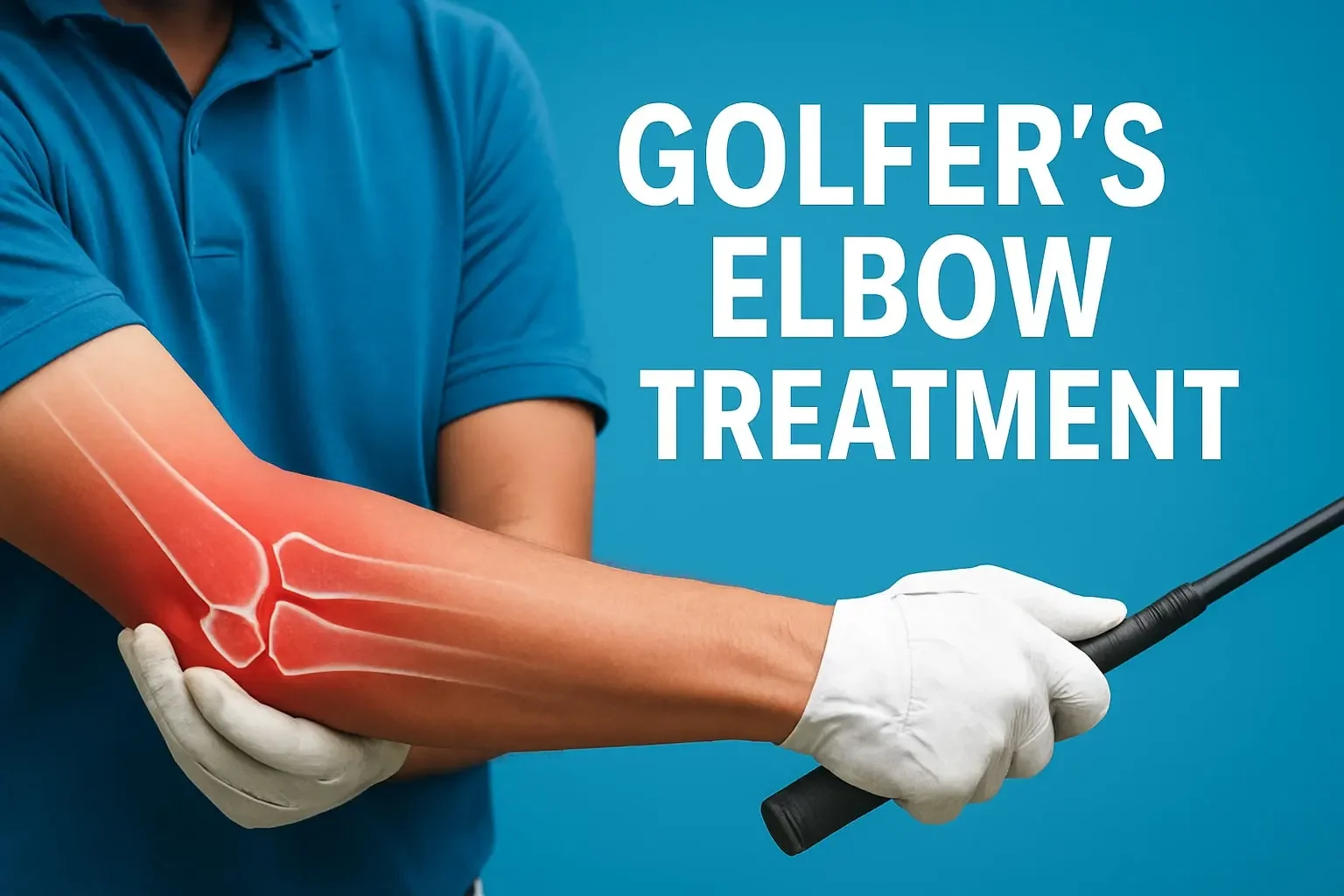
Golfer’s elbow, medically known as medial epicondylitis, involves inflammation of the tendons that attach to the inner side of the elbow. These tendons help control movements of the wrist and fingers. The injury occurs when these tissues are overloaded, typically through repeated gripping, lifting, or swinging motions.
It is important to distinguish golfer’s elbow from tennis elbow. While both conditions involve elbow pain, tennis elbow (lateral epicondylitis) affects the tendons on the outer side of the elbow. Golfer’s elbow is more common in people who participate in sports that require repetitive wrist flexion, but it also affects non-athletes.
The main anatomical structures involved are the flexor tendons and the medial epicondyle, which is the bony bump on the inner part of the elbow. Understanding these details is essential for proper golfers elbow treatment.
Common Causes & Risk Factors
Golfer’s elbow develops over time due to repeated strain. The most common causes include:
Overuse from repetitive wrist or finger motions, such as swinging a golf club, tennis racquet, or using hand tools.
Poor technique or improper equipment in sports, leading to extra stress on the elbow.
Occupational hazards, especially for construction workers, carpenters, and people who spend long hours typing or using a mouse.
Age is a factor, with the highest incidence in adults aged 30 to 50 years. Both men and women are affected.
Research shows about 1 percent of adults experience medial epicondylitis at some point. Recognizing these risk factors can help guide early golfers elbow treatment and prevention strategies.
Recognizing Symptoms
The hallmark symptom of golfer’s elbow is pain and tenderness on the inner side of the elbow. This discomfort may radiate down the forearm and is often accompanied by stiffness, a weak grip, or even numbness and tingling in the fingers.
Symptoms usually worsen with activities that involve gripping, lifting, or swinging. In acute cases, pain may develop suddenly after intense activity, while chronic cases build gradually over time. Without prompt golfers elbow treatment, symptoms can persist and worsen, making daily tasks difficult.
Early recognition is critical. Addressing symptoms quickly increases the likelihood of full recovery and reduces the risk of chronic pain. Pay attention to any persistent discomfort on the inner elbow and seek advice if symptoms continue beyond a few weeks.
Diagnosis & When to Seek Medical Help
Identifying golfer’s elbow early is vital for effective golfers elbow treatment and a faster return to your daily activities. Proper diagnosis ensures you receive the care best suited to your needs and helps rule out more serious conditions that may mimic similar symptoms.
How Golfer’s Elbow is Diagnosed
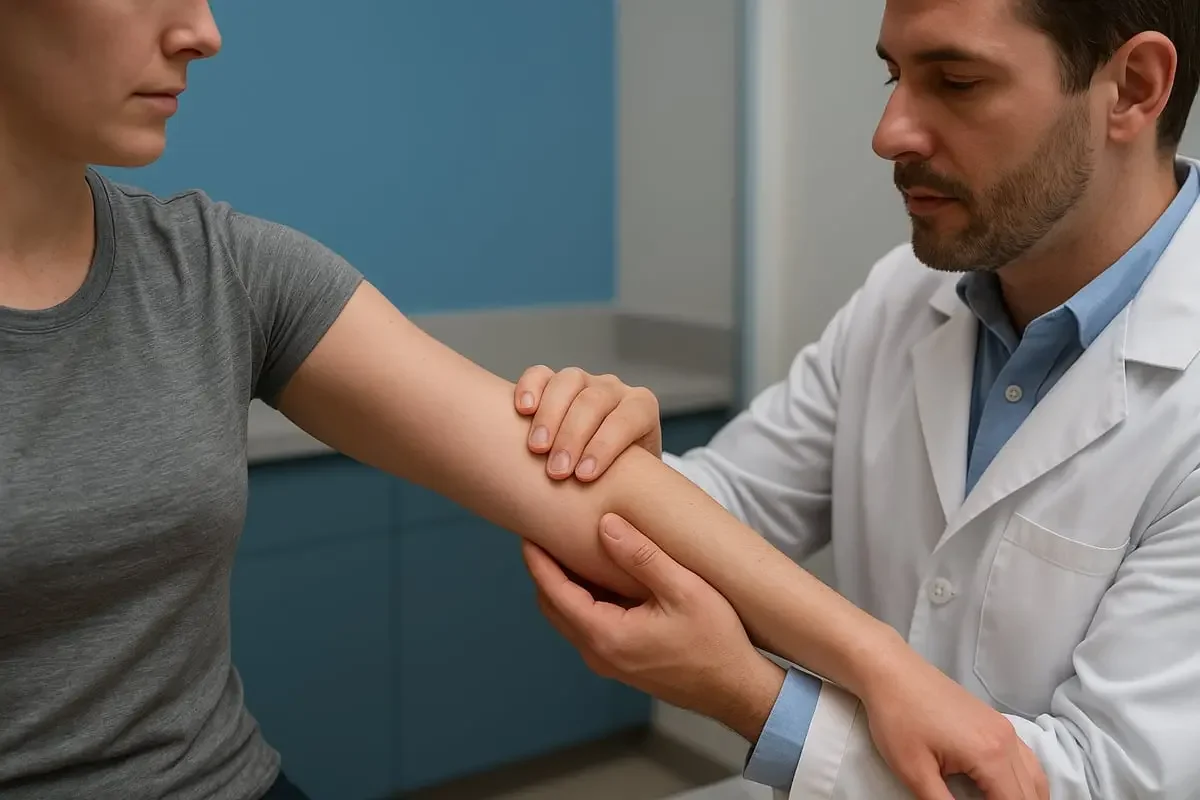
The first step in golfers elbow treatment is a thorough evaluation by a qualified healthcare provider. Diagnosis typically begins with a detailed medical history. Your clinician will ask about your activity patterns, the onset and duration of symptoms, and any previous elbow injuries.
Next, a physical examination focuses on the inner elbow. The provider will palpate for tenderness, assess range of motion, and perform resistance tests to reproduce pain. These maneuvers help differentiate golfer’s elbow from other causes of elbow discomfort.
In certain cases, diagnostic imaging may be recommended. While X-rays are not routinely needed for golfers elbow treatment, they may help rule out fractures or arthritis if symptoms are atypical. MRI scans can be ordered when nerve involvement or other underlying issues are suspected. However, most diagnoses are clinical, based on history and examination.
For those seeking a deeper understanding of the diagnostic process, the Medial Epicondylitis Clinical Presentation and Treatment resource provides an in-depth look at evidence-based strategies for golfer’s elbow.
Diagnostic Steps Table
Step / Purpose
Medical History / Identify risk factors and onset patterns
Physical Exam / Localize pain, test strength and flexibility
Imaging (if needed) / Exclude fractures, arthritis, or nerve issues
Accurate diagnosis is the cornerstone of successful golfers elbow treatment and prevents mismanagement of other potential elbow conditions.
When to Consult a Healthcare Professional
Knowing when to seek medical help is crucial for optimal golfers elbow treatment outcomes. Certain signs indicate the need for prompt evaluation:
Severe or worsening pain
Noticeable swelling or bruising
Inability to move the elbow or grip objects
Numbness, tingling, or muscle weakness in the hand or fingers
Symptoms persisting longer than three to four weeks
Attempting self-diagnosis or delaying care may increase the risk of chronic issues or missed diagnoses, such as nerve entrapment. Early intervention with appropriate golfers elbow treatment can shorten recovery time and prevent complications.
When you visit a specialist, expect questions about your daily activities, work demands, and sports participation. Prepare a list of symptoms, describe what worsens or relieves them, and bring any prior test results. Accurate information enables your provider to tailor golfers elbow treatment to your unique situation.
Consider the example of a patient whose persistent pain led to the identification of a nerve issue requiring specialized care. This highlights the importance of expert assessment for lasting relief.
In summary, prompt diagnosis and timely golfers elbow treatment are essential for recovery and return to activity. If you notice any red flags or persistent discomfort, consult a healthcare professional to ensure the best possible outcome.
Step-by-Step Golfer’s Elbow Treatment Guide
Struggling with persistent elbow pain? A systematic approach to golfers elbow treatment can help you reclaim comfort and function. Follow these expert-backed steps to guide your recovery and reduce your risk of chronic symptoms.
Step 1: Immediate Self-Care & Activity Modification
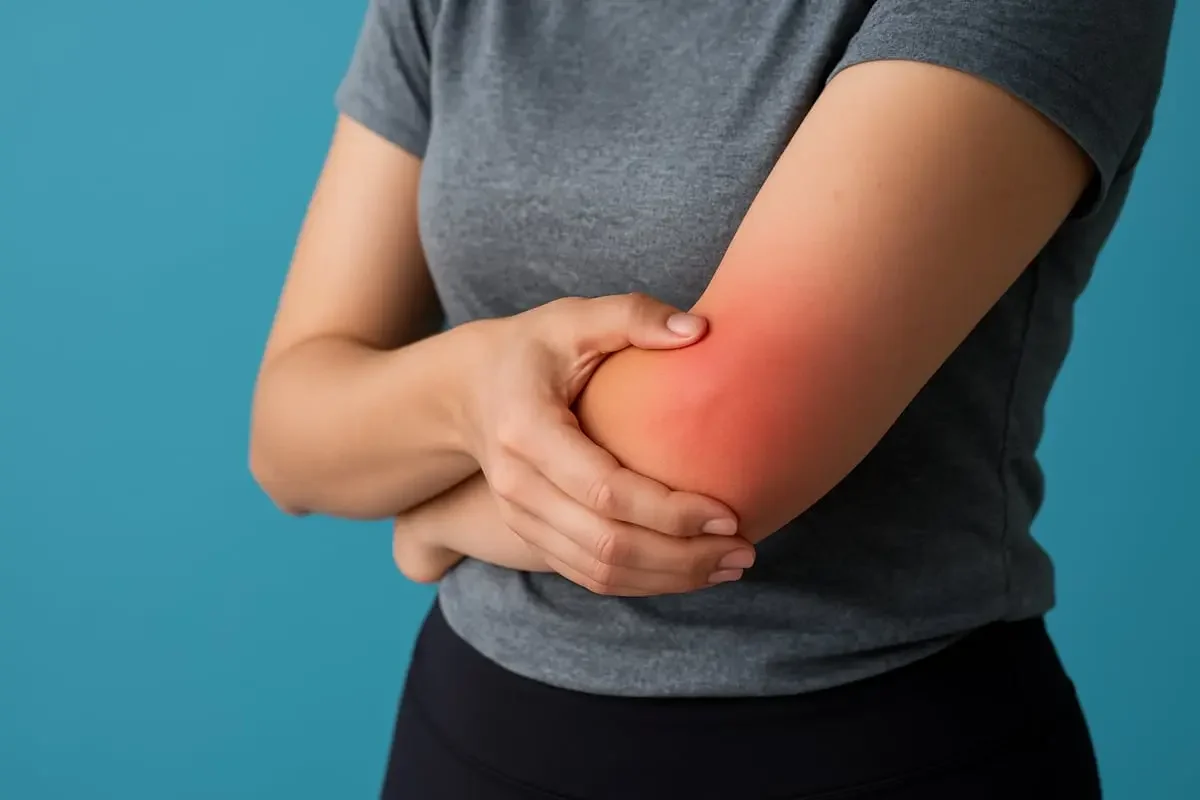
The first priority in golfers elbow treatment is to halt activities that trigger pain. Relative rest is critical to prevent further irritation of the inner elbow tendons. Avoid “playing through” significant discomfort, whether during sports or repetitive work tasks.
Apply ice packs to your elbow for 15 to 20 minutes, three to four times daily. This helps control inflammation and manage swelling. Protect your elbow with a brace or strap, especially during activities that cannot be avoided.
Simple modifications, such as reducing practice frequency or changing your grip, can accelerate healing. Athletes often benefit from temporarily adjusting their training schedules to minimize tendon stress. These immediate measures lay the foundation for effective golfers elbow treatment and help prevent acute pain from becoming chronic.
Step 2: Over-the-Counter Pain Relief & Home Remedies
Short-term use of nonsteroidal anti-inflammatory drugs (NSAIDs), such as ibuprofen or naproxen, can ease pain and swelling associated with golfers elbow treatment but should not be relied upon for prolonged periods of time. For localized relief, topical creams or gels, like Medistik, may be applied directly to the affected area.
Before activity, heat therapy can help relax tight muscles and tendons. For mild cases, gentle self-massage may reduce discomfort and improve blood flow. However, these remedies are most effective when combined with rest and activity modification.
Remember, overuse of pain relievers should be avoided. Consult your healthcare provider if symptoms persist, as ongoing pain may require more targeted golfers elbow treatment.
Step 3: Therapeutic Exercises & Stretching
A core element of golfers elbow treatment is a structured exercise program. Begin with gentle stretching of the forearm flexors and extensors to restore flexibility. Gradually introduce resistance exercises to strengthen the muscles supporting the elbow.
Eccentric loading protocols, where the muscle lengthens under tension, are particularly effective for tendon healing. Frequency and progression matter; perform exercises daily and increase intensity slowly to avoid setbacks.
For evidence-based routines and guidance, explore Golfer's Elbow Strengthening and Stretching Exercises. Structured rehabilitation helps restore function and supports a safe return to activity. Always consult a professional before starting new exercises as part of your golfers elbow treatment.
Step 4: Professional Physical Therapy & Rehabilitation
If self-care and home exercises do not resolve symptoms, seek professional support. Physical therapists design customized exercise programs to address your unique needs and goals. Manual therapies, such as soft tissue mobilization and joint manipulation, can ease pain and improve mobility.
Advanced modalities, including ultrasound, laser, and shockwave therapy, may be recommended for chronic or stubborn cases. Your progress should be monitored regularly, with adjustments made as needed to your golfers elbow treatment plan.
Most individuals see significant improvement within 6 to 12 weeks with conservative therapy. Consistency and adherence are key to long-term recovery and prevention of recurrence.
Step 5: Advanced Medical Interventions (if needed)
For severe or unresponsive cases, advanced golfers elbow treatment options may be considered. Corticosteroid injections can provide rapid but temporary relief. These are best reserved for short-term use, as repeated injections may weaken the tendon.
Platelet-rich plasma (PRP) injections are emerging as a promising therapy, harnessing your own healing factors to accelerate tendon repair. Surgical intervention, such as tendon debridement or minimally invasive procedures like TENEX, is only recommended after 6 to 12 months of unsuccessful conservative care.
Success rates for these interventions are high when patients follow postoperative rehabilitation protocols. Discuss all available golfers elbow treatment options with your healthcare provider to determine the best approach for your situation.
Advanced & Adjunctive Therapies for Golfer’s Elbow Relief
Exploring advanced and adjunctive options can significantly enhance your golfers elbow treatment, especially if conservative care has not provided full relief. These therapies are designed to address stubborn symptoms and promote lasting recovery.
Shockwave Therapy
Shockwave therapy is a noninvasive option that uses targeted acoustic waves to stimulate tissue repair and reduce pain. For golfers elbow treatment, this therapy increases blood flow and cellular regeneration at the site of tendon injury. Studies show significant improvement in chronic cases unresponsive to standard care. Shockwave therapy is often recommended when symptoms persist, offering renewed hope for patients aiming to return to full activity. Sessions are brief and typically require no downtime, making them a practical addition to your recovery plan.
Laser Therapy & Other Modalities
Laser therapy accelerates the healing process by delivering focused light energy deep into tissues. This approach can decrease inflammation and pain, making it an excellent adjunct to golfers elbow treatment plans. When paired with manual therapy and exercise, laser therapy may help speed recovery. To learn more about how this modality supports injury recovery, visit Laser therapy for injury recovery.
Bracing & Orthotics
Bracing and orthotics play a crucial role in golfers elbow treatment by reducing strain on the affected tendons during activity. Counterforce straps and compression sleeves are the most common options. These devices distribute pressure away from the injury site, providing support and promoting healing. Wearing a brace during sports or repetitive work can prevent symptom flare-ups. Always follow professional guidelines for duration and fit to maximize benefits and avoid dependency.
Complementary Approaches
Complementary therapies such as massage and acupuncture can offer added relief as part of a holistic golfers elbow treatment approach. Massage therapy improves circulation and decreases muscle tension around the elbow. Acupuncture may help modulate pain signals and enhance comfort. Ergonomic modifications at home or work, like adju sting tool handles or workstation height, can reduce ongoing stress on the elbow and support long-term recovery.
Monitoring Progress & Preventing Setbacks
Tracking your symptoms and activity levels is key to successful recovery. Use a simple symptom diary or app to note changes in pain or function. Signs of improvement include reduced tenderness and increased grip strength. If pain persists or worsens, consult your provider for further evaluation. Many patients return to sports after adjunctive therapy, emphasizing the importance of ongoing prevention strategies and maintenance care.
Prevention Strategies & Long-Term Elbow Health
Preventing golfer’s elbow is not just about reacting to pain. It is about building habits that protect your elbow for years to come. Let us explore evidence-based strategies for lasting elbow health and effective golfers elbow treatment.
Technique & Equipment Optimization
Proper technique is the foundation of golfers elbow treatment and prevention. Small errors in grip or swing can overload your tendons. Work with a coach or therapist to assess your golf or tennis technique. Simple adjustments can make a significant difference.
Choose equipment with the right grip size and weight for your hand
Replace worn grips to prevent excess strain
Use ergonomic tools for work and sports
Optimizing your gear and movements supports long-term elbow health.
Warm-Up, Stretching & Strengthening
A focused warm-up routine prepares your muscles and tendons for activity. Spend 5–10 minutes on dynamic stretches for the forearm, wrist, and hand. Incorporate gentle wrist circles, forearm flexor and extensor stretches, and progressive resistance exercises.
Ongoing strengthening is crucial. Use light weights or resistance bands to build endurance in your forearm muscles. Regular stretching maintains flexibility and reduces the risk of reinjury. These habits are essential components of any golfers elbow treatment plan.
Lifestyle & Occupational Modifications
Daily routines have a major impact on elbow health. Take frequent breaks during repetitive tasks, whether you are typing, lifting, or working with tools. Set up your workspace to minimize strain. Adjust chair height, keyboard position, and mouse placement.
For more detailed ergonomic strategies, see Workplace ergonomics for injury prevention. These adjustments help reduce overuse and support ongoing golfers elbow treatment.
Early Intervention & Maintenance Care
Recognizing early warning signs, such as mild pain or stiffness, is vital for prevention. Do not ignore these signals. Early intervention with rest, ice, or modified activity can stop minor issues from becoming chronic.
Schedule periodic check-ins with a healthcare provider, especially if you have a history of elbow problems. Maintenance therapy, including manual treatments and targeted exercises, keeps your elbow resilient. Consistency in these practices is a key part of successful golfers elbow treatment.
Data & Outcomes
Prevention is powerful. With proper technique, regular exercise, and ergonomic adjustments, the odds of long-term recovery improve dramatically.
Most individuals who adhere to these prevention strategies experience fewer setbacks and better overall outcomes. Investing in your long-term elbow health pays off both on and off the course.
Frequently Asked Questions About Golfer’s Elbow Treatment
Struggling to find clear answers about golfers elbow treatment? You are not alone. Many patients have similar questions when facing this persistent and often frustrating elbow condition. Below, we address the most common concerns, evidence-based guidance, and real-life outcomes to help you feel informed and empowered.
Common Patient Concerns
Patients frequently ask how long golfers elbow treatment takes to work and whether they can continue their favorite sports or job during recovery. Other common questions include:
Are home remedies effective for everyone?
When is surgery really necessary?
What are the risks of untreated golfers elbow treatment?
Will pain go away on its own, or does it require professional care?
Understanding these concerns is the first step toward successful golfers elbow treatment and optimal recovery. Early recognition and intervention can make a significant difference in your outcome.
Evidence-Based Answers
Most patients recover from golfers elbow treatment within 6 to 12 weeks for mild cases, while chronic conditions may take several months. Returning to sports or work too soon can increase the risk of reinjury and delay healing. While home remedies such as rest, ice, and over-the-counter medication help many, not all cases respond equally.
Surgery is reserved for severe or persistent cases that do not improve after months of conservative care. According to Golfer's Elbow Recovery: Best Treatment Approaches, most people experience significant relief with non-surgical methods. Ignoring symptoms can lead to chronic pain or permanent tendon damage, so timely golfers elbow treatment is crucial.
Real-World Examples & Data
Success stories are common among patients who follow comprehensive golfers elbow treatment plans. For example, those who combine self-care, physical therapy, and advanced therapies like shockwave therapy for tendon pain often see steady improvement.
Research shows that less than 10 percent of cases require surgery, and most resolve with proper care. Individualized approaches and ongoing management dramatically improve long-term outcomes. Monitoring symptoms, adhering to treatment, and seeking guidance from professionals can help ensure lasting relief and prevent recurrence.
If you’re tired of letting golfer’s elbow hold you back from your favorite activities, remember that lasting relief is possible with the right approach. We’ve explored proven strategies, from self-care to advanced therapies, that can help you regain strength and comfort. For many, professional guidance makes all the difference, especially when stubborn pain doesn’t respond to home remedies. Our experienced practitioners at Mountain Health and Performance use evidence-based techniques to target the root cause and support your recovery every step of the way. Ready to take the next step toward pain-free movement? Book with one of our chiropractors today and start your journey back to optimal elbow health.