Football Injury Prevention Guide: Staying Safe on the Field
Every year, football sends thousands of athletes to the emergency room, with thousands of football-related injuries reported in the United States in 2018 alone. The impact of these injuries extends far beyond the field, affecting players’ health, team performance, and even future careers.
This comprehensive guide delivers football injury prevention strategies that are expert-backed and actionable. Whether you are a player, coach, or parent, you will gain a step-by-step approach to preparation, equipment, training, recovery, and medical support.
Stay ahead for the 2026 season. Discover how effective prevention means better performance, fewer medical bills, and more enjoyment of the game. Start implementing these proven methods for a safer experience on the field.
Understanding Football Injuries: Types, Causes, and Risk Factors
Football is a thrilling sport, but it comes with a real risk of injury for players at every level. Understanding the types, causes, and risk factors is the first step toward effective football injury prevention. Let’s break down what every player, coach, and parent needs to know.
Common Types of Football Injuries
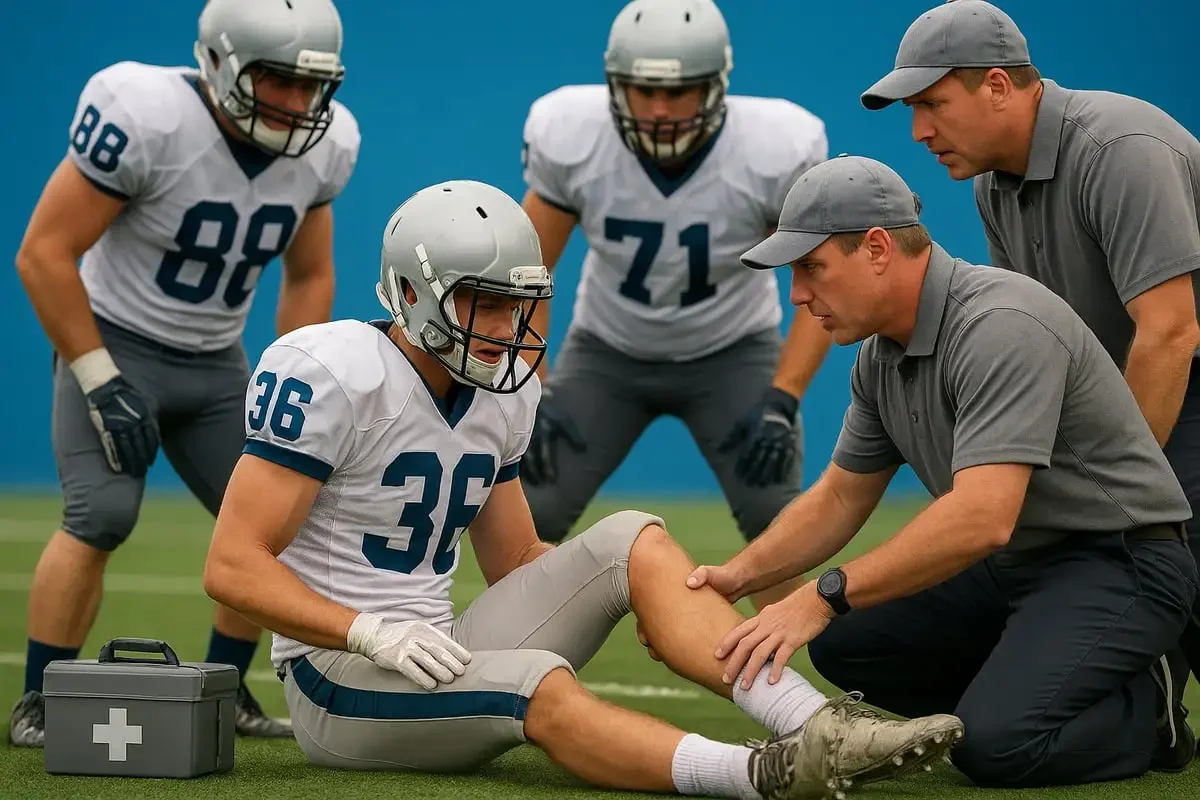
Football exposes athletes to a wide range of injuries. The most frequent are soft tissue injuries, such as hamstring, quadriceps, and calf strains. Ligament injuries, including ACL tears and ankle sprains, are also common, often resulting from sudden stops or changes in direction. Overuse injuries like stress fractures and tendinitis develop gradually with repetitive motion. Head injuries, especially concussions, are major concerns due to their potential long-term effects.
According to the AAOS, football leads all school sports in injury rates. Professional data reinforces this, showing high incidence of muscle strains, ligament tears, and head trauma in both youth and professional ranks. For more detailed statistics on the prevalence and types of injuries in football, see the Epidemiology of injuries in professional football. Recognizing these patterns is crucial for football injury prevention.
Key Causes and Risk Factors
Several factors increase the risk of football injuries. High-intensity actions like sprinting, tackling, and abrupt directional shifts place strain on muscles and joints. Overtraining, without adequate recovery, leads to fatigue and higher vulnerability. Poor conditioning and lack of proper warm-up routines can reduce flexibility and strength, making injuries more likely.
Environmental conditions, such as wet or uneven fields, further elevate risk. Notably, skipping stretching or warm-up routines before practice is a frequent contributor. Identifying these causes helps guide successful football injury prevention, keeping athletes safer throughout the season.
Age, Gender, and Level of Play Considerations
Injury patterns can differ significantly based on age, gender, and competitive level. Youth players often experience growth-related injuries, while adults may face chronic or overuse conditions due to accumulated wear and tear. Female football athletes show increased rates of certain injuries, such as ACL tears, likely due to anatomical and hormonal differences.
Competitive level also matters. Higher intensity and physicality in advanced leagues can raise injury risk, making tailored football injury prevention strategies essential for every group. Addressing these unique factors ensures a more comprehensive approach for all athletes.
Impact of Injuries on Players and Teams
The effects of football injuries extend beyond physical pain. Time lost from games and training can hinder skill development and team performance. Psychological impacts, including fear of re-injury and reduced confidence, are common and can affect long-term participation.
Financial consequences, such as medical bills and rehabilitation costs, add another layer of stress. For elite players, injuries may influence scholarships or career prospects. Prioritizing football injury prevention is the best way to protect both individual athletes and team success.
Step 1: Pre-Season Preparation and Physical Readiness
Preparing for the football season is the foundation of effective football injury prevention. Taking a proactive approach before the first whistle can dramatically reduce the risk of injuries and set athletes up for a safer, more successful year.
Importance of Off-Season Conditioning
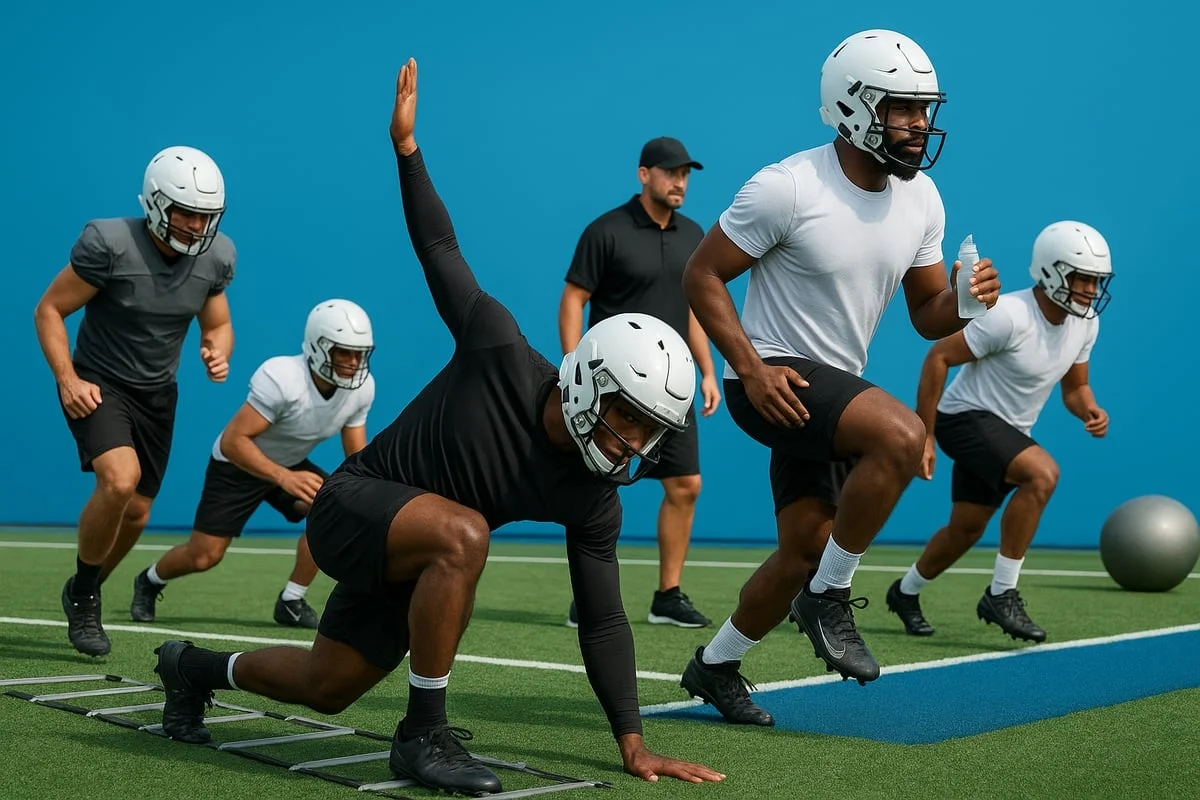
Off-season conditioning is a game-changer for football injury prevention. Players who maintain aerobic fitness, build strength, and improve flexibility significantly lower their risk of common injuries. Studies show that structured off-season programs can cut injury rates by up to 50 percent.
A balanced routine should include:
Cardiovascular exercises such as running or cycling
Resistance training targeting all major muscle groups
Flexibility work and mobility drills
For those returning after a break, gradual progression is key. Ramping up intensity too quickly can undermine football injury prevention efforts. Explore prehab and injury prevention strategies to further enhance your pre-season routine.
Pre-Participation Physical Examinations
Every player should undergo a thorough pre-participation physical examination before the season begins. These exams are essential for football injury prevention and help detect underlying health conditions that may increase injury risk.
Medical professionals can tailor training recommendations based on exam findings. According to the AAOS, all athletes should be cleared before participating, ensuring that any red flags are addressed early. This step is non-negotiable for both safety and performance.
Warm-Up and Stretching Protocols
Proper warm-up and stretching protocols are vital components of football injury prevention. Dynamic warm-ups, like high knees and lunges, increase muscle temperature and flexibility, preparing the body for intense activity. Static stretching after training helps maintain range of motion and reduces post-exercise soreness.
Research confirms that cold muscles are more susceptible to injury. Consistently following these routines supports overall athletic health and reduces time lost to preventable setbacks.
Hydration and Nutrition Basics
Hydration and nutrition play a direct role in football injury prevention. Following evidence-based hydration guidelines, such as consuming 24 ounces of fluids two hours before activity and 8 ounces every 20 minutes during play, helps prevent muscle cramps and heat-related issues.
Balanced nutrition supports muscle recovery and immune function. Prioritizing lean proteins, complex carbohydrates, and healthy fats ensures the body is ready to handle the demands of football.
Timing / Fluid Amount / Nutrition Tip
2 hours before / 24 oz / Lean protein + whole grain
Every 20 mins / 8 oz / Fruit or light snack
Mental Preparation and Goal Setting
Mental readiness is an often-overlooked aspect of football injury prevention. Setting realistic goals and building mental resilience help athletes stay focused and avoid risky behaviors on the field.
Coaches and parents should encourage athletes to define both performance and safety objectives. Visualization techniques and mindfulness exercises also foster confidence and composure during high-pressure moments.
Example Schedules and Routines
A well-structured pre-season plan is a cornerstone of football injury prevention. A typical week might include:
3 days of strength and conditioning
2 days of aerobic training
Daily dynamic warm-ups and cool-down stretches
Sample warm-up sequence:
Light jog (5 minutes)
Dynamic stretches (10 minutes)
Agility drills (10 minutes)
These routines prepare the body and mind, reducing injury risk and supporting a smooth transition into competitive play.
Step 2: Essential Protective Equipment and Proper Fit
Wearing the right protective equipment is fundamental to football injury prevention. Each player relies on properly fitted gear to minimize the risk of serious harm during practices and games. With injuries often resulting from inadequate or poorly maintained equipment, understanding what to wear and how to wear it is critical for every athlete’s safety.
Mandatory Protective Gear for Football
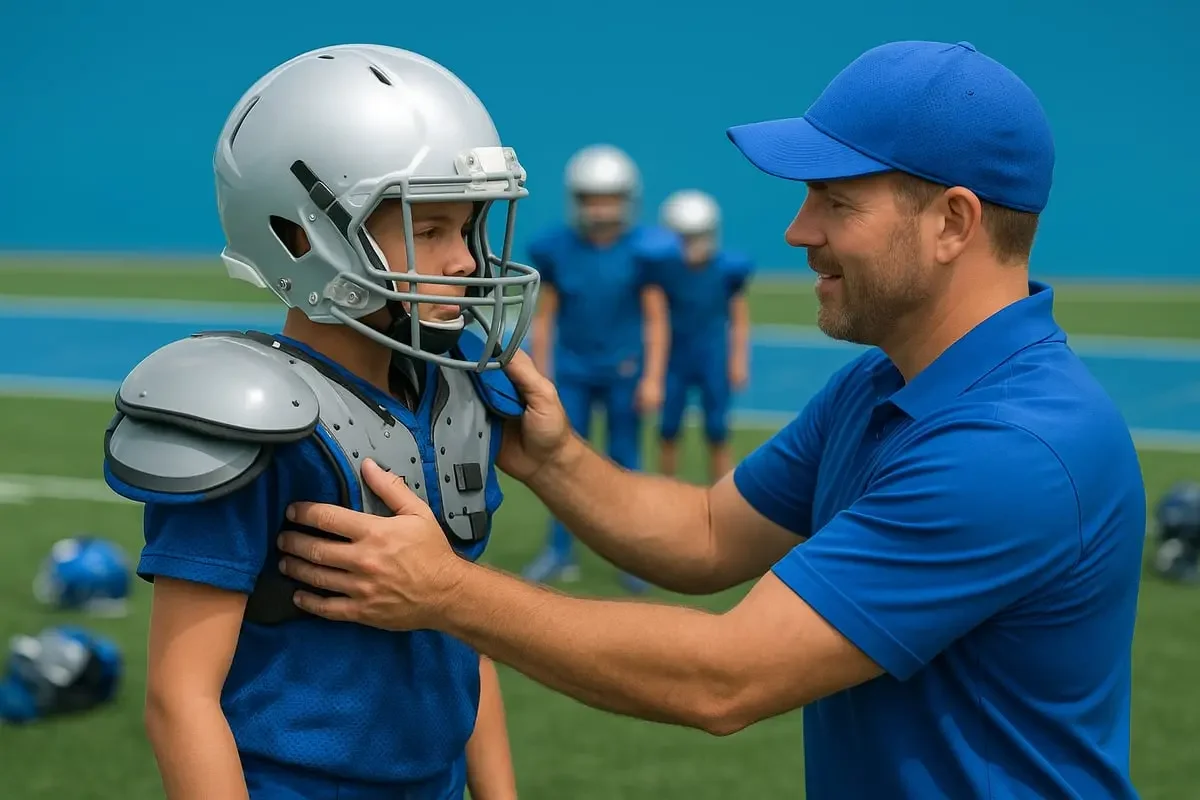
Football players must wear specific gear to comply with league rules and maximize protection. The essentials include helmets, shoulder pads, hip pads, tail pads, knee pads, thigh guards, mouth guards, and athletic supporters. Each piece addresses a unique risk, from head impacts to lower body collisions.
Ensuring Proper Fit and Maintenance
Even the best equipment fails to protect if it doesn’t fit correctly. Ill-fitting helmets or pads can shift during play, exposing athletes to unnecessary dangers. Regular checks are essential. Look for loose straps, worn padding, or cracked shells.
Replace gear that shows signs of wear or no longer fits as the athlete grows. Schedule equipment inspections before each season and after any significant impact. Well-maintained gear is a cornerstone of football injury prevention, ensuring every practice and game starts with safety in mind.
Footwear and Playing Surface Considerations
Footwear is often overlooked, yet it is vital for stability and traction. Choose cleats that match the playing surface such as molded cleats for firm ground, or detachable studs for softer fields. The right shoes reduce slips and support proper movement mechanics.
Shoe type can also influence ankle and knee injury rates. Inspect cleats for wear and replace them as needed. This attention to detail is another key to football injury prevention, helping athletes move confidently and safely regardless of field conditions.
Eyewear and Vision Protection
Players who need corrective lenses should opt for shatterproof sports goggles or prescription inserts. Standard glasses can break on impact, posing a risk to eyes and face. Modern sports eyewear offers both protection and clear vision.
Look for gear labeled as “impact resistant” or “shatterproof.” Ensuring that every player can see clearly and safely is an often-overlooked aspect of comprehensive football injury prevention.
Role of Coaches and Parents in Equipment Checks
Coaches and parents play a vital role in daily equipment safety. Set up regular inspection routines before practices and games. Teach athletes to report discomfort, broken parts, or poor fit immediately.
Education is key. Everyone involved should know what proper gear looks and feels like. This shared responsibility keeps football injury prevention at the forefront and fosters a culture of safety on every team.
Innovations in Protective Equipment for 2026
Protective gear is evolving rapidly. Lightweight, high-strength materials make pads more comfortable without sacrificing safety.
Keep up with advances by consulting league updates and reputable manufacturers. Adopting the latest protective innovations ensures that football injury prevention strategies stay ahead of emerging risks and help safeguard athletes at all levels.
Step 3: Injury Prevention Strategies During Training and Play
Football injury prevention during training and play is not just about avoiding bad luck, it is about building a foundation of smart habits and evidence-based routines. Every movement, drill, and decision on the field can either raise or lower the risk of injury. By implementing proven strategies, athletes and coaches can drastically increase safety and performance.
Strength and Conditioning Programs
A strong, well-conditioned body is the first line of defense in football injury prevention. Programs that target muscle balance and joint stability, especially for the hamstrings, quadriceps, and core, reduce the risk of strains and tears.
Athletes should follow routines that include resistance training, plyometric exercises, and balance work. For more details on how mobility training complements these routines, see Mobility training for injury prevention.
Regular assessments and progressive overload are key, ensuring that training intensity matches the athlete's current level.
Technique Training and Safe Play Practices
Proper technique is non-negotiable in football injury prevention. Coaches must teach safe tackling, blocking, and landing mechanics to all players, regardless of age or experience.
Drills that reinforce heads-up tackling and controlled footwork can minimize concussion and joint injury risks. Emphasize agility and controlled movement to help players avoid dangerous situations.
Incorporate video analysis sessions to correct form and reinforce positive habits.
Load Management and Recovery Scheduling
Overtraining is a leading cause of injury. Effective football injury prevention requires close monitoring of training volume and intensity.
Implement periodization by alternating high and low-intensity sessions throughout the week. Use athlete monitoring systems to track workload and flag signs of overuse.
Smart scheduling also includes planned rest days and active recovery, which are essential for muscle repair and readiness.
Hydration, Nutrition, and Sleep Optimization
Staying hydrated, eating well, and sleeping enough are pillars of football injury prevention. Dehydration and poor nutrition can impair concentration and muscle function, raising injury risk.
Athletes should drink water before, during, and after practice, and consume balanced meals that support energy needs. Aim for 7-9 hours of quality sleep each night to allow for full recovery.
Simple routines, such as pre-practice hydration and post-game snacks, make a significant impact on injury prevention.
Recognizing Early Signs of Fatigue and Overtraining
Fatigue is an early warning sign that should never be ignored. In the context of football injury prevention, monitoring for persistent muscle soreness, mood changes, or reduced performance is crucial.
Coaches and teammates should encourage open communication about discomfort or pain. Establish a protocol for reporting symptoms, so interventions can be made before minor issues become major injuries.
Prioritize mental well-being as much as physical health.
Heat Illness and Environmental Safety
Hot weather and poor field conditions can quickly turn dangerous. Football injury prevention must include strategies for managing heat and environmental hazards.
Schedule practices during cooler parts of the day when possible. Ensure players take frequent water breaks and wear weather-appropriate gear. Coaches should be trained to recognize heat exhaustion symptoms and respond quickly.
Inspect fields regularly for hazards like holes or debris, which can lead to avoidable injuries.
Education and Injury Awareness Programs
Education is one of the most effective tools in football injury prevention. Ongoing workshops for players, coaches, and parents keep everyone informed about safe play, concussion recognition, and emergency protocols.
Use pre-season meetings to review safety guidelines and distribute educational materials. Encourage ongoing dialogue and invite experts to present on new developments in injury prevention.
Knowledge empowers teams to make better, safer decisions.
Example Drills and Best Practices
Implementing structured warm-up and agility routines can lower injury rates dramatically. Consider this sample warm-up protocol:
Drill / Purpose / Duration (min)
Dynamic stretching / Increase flexibility / 5
Ladder agility drills / Improve footwork / 5
Core activation / Stabilize trunk / 3
Controlled sprints / Build speed safely / 5
Teams that consistently follow such routines report fewer injuries and more confident players. Case studies show that adopting comprehensive football injury prevention programs leads to measurable results, both in player safety and overall team performance.
Step 4: Immediate Response and Safe Return-to-Play Protocols
Immediate action is critical in football injury prevention, especially when an injury occurs on the field. The right response can minimize damage, support a faster recovery, and ensure long-term athlete health. Coaches, trainers, and parents must be prepared to act quickly and confidently in these situations.
On-Field First Aid and Emergency Preparedness
Every team should have a clear emergency plan to address football injuries when injuries strike. Coaches and staff must be trained in first aid, including CPR and the use of an AED. Essential steps include:
Assessing the injury scene for safety.
Providing immediate care for minor injuries, such as sprains or bruises.
Activating emergency services if there is any suspicion of a serious injury.
Having a well-rehearsed emergency action plan ensures athletes receive timely, appropriate care and reduces the risk of complications.
Recognizing and Managing Concussions
Concussions are among the most serious risks in football. Early recognition is vital for football injury prevention. Signs include confusion, headache, dizziness, nausea, and memory loss. If a concussion is suspected, the athlete must be removed from play immediately.
Only a qualified physician should clear an athlete to return after a concussion. Following these guidelines helps protect long-term brain health and supports a culture of safety on the field.
Criteria for Return to Play
Returning to action too soon increases the risk of further injury. For effective football injury prevention, athletes must meet strict criteria before returning:
No pain during movement.
Full strength and range of motion.
No swelling or lingering symptoms.
A gradual, stepwise return-to-play process is essential, particularly after joint or head injuries. This protocol safeguards both short and long-term athlete wellness.
Communication Between Medical Staff, Coaches, and Families
Clear communication is a cornerstone of safe recovery and football injury prevention. Coaches, athletic trainers, and families must regularly share updates about the athlete’s progress. Accurate documentation of the injury, treatment, and milestones enables coordinated care.
Athletic trainers play a key role in monitoring rehabilitation and ensuring guidelines are followed. Regular check-ins help prevent misunderstandings and support a smooth transition back to play.
Preventing Re-Injury
A major goal of football injury prevention is to avoid setbacks. Gradual reintroduction to sports, combined with rehabilitation exercises, is critical. Addressing muscle imbalances and restoring full function reduces the risk of recurring issues.
For more details on structured protocols, see Recovering from overuse injuries, which explains stepwise approaches and the importance of individualized recovery plans.
Legal and Ethical Considerations
Compliance with league and school policies is mandatory in football injury prevention. Athletes and families must provide informed consent for return-to-play decisions. Coaches and staff are ethically obligated to prioritize player safety over competition.
Understanding these guidelines protects everyone involved and reinforces a safety-first mindset. Proper documentation and adherence to protocols create a trustworthy environment for all participants.
Step 5: Year-Round Maintenance and Long-Term Athlete Health
Maintaining peak performance and minimizing injury risk is a continuous process for football players. True football injury prevention requires year-round attention to physical health, mental well-being, and smart habits on and off the field.
Off-Season Activity and Cross-Training
Staying active during the off-season is essential for football injury prevention. Cross-training helps athletes maintain cardiovascular fitness, flexibility, and strength while reducing the repetitive strain of football-specific drills.
Popular cross-training options include:
Swimming for low-impact conditioning
Cycling to build endurance
Basketball or soccer for agility and coordination
Integrating proper nutrition and recovery routines is equally important. For detailed guidance, explore Nutrition and recovery for athletes, which outlines effective fueling and rehabilitation strategies for football players.
Monitoring for Overuse and Chronic Injuries
Early detection is crucial for managing overuse injuries. Players, coaches, and parents should watch for persistent pain, swelling, or reduced mobility, which may signal tendinitis, stress fractures, or joint issues.
Key signs to monitor:
Pain that worsens with activity
Swelling or tenderness in muscles or joints
Decreased range of motion
Regular check-ins and open communication help ensure these issues are addressed before they become serious.
Burnout Prevention and Mental Health
Sustaining motivation and mental resilience is just as vital as physical conditioning. Football injury prevention strategies should address both body and mind, with adequate rest and mental health support throughout the year.
Tips to prevent burnout:
Schedule regular rest days and breaks from football
Encourage involvement in non-sport hobbies
Foster a supportive team environment
Addressing stress and anxiety early helps athletes stay focused, happy, and less prone to risky behaviors.
Role of Parents and Coaches in Sustained Prevention
Parents and coaches are central to successful football injury prevention. Open dialogue about pain, discomfort, and mental fatigue can help spot problems early.
Best practices include:
Encouraging honest communication
Setting realistic expectations for performance and recovery
Participating in ongoing injury prevention education
These habits foster a culture of trust and safety, supporting athletes at every stage.
Injury Tracking and Data Analysis
Consistent injury tracking is a powerful tool for football injury prevention. Modern teams use technology to monitor individual workloads, identify patterns, and adjust training accordingly.
Tool / Purpose
Wearable trackers / Monitor activity levels
Apps / Log injuries and symptoms
Video analysis / Assess movement patterns
Data-driven insights help coaches and medical staff make informed decisions, reducing the risk of recurring injuries.
Adapting Prevention Strategies for Age and Skill Level
Effective football injury prevention adapts to each athlete's needs. Youth, adolescent, and adult players require different training loads, rest periods, and skill development routines.
Special considerations:
Modify drills for younger players to prevent overload
Address position-specific risks for linemen, receivers, and kickers
Implement targeted prevention for female athletes, focusing on common vulnerabilities
Personalized approaches ensure every athlete receives the right support for long-term health.
Expert Resources: Partnering with Sports Injury Specialists
Access to expert resources is essential for effective football injury prevention. Working with qualified specialists ensures that every athlete receives a personalized plan for assessment, treatment, and recovery.
The Value of Professional Assessment and Rehabilitation
Partnering with professionals can make a significant difference in football injury prevention. Specialists identify underlying issues, provide tailored rehabilitation, and accelerate safe return to play. Their expertise minimizes risk and supports long-term athlete health.
Early intervention from trained experts helps athletes avoid complications and reduces the chance of recurrent injuries. This approach keeps players active and confident throughout the season.
Mountain Health and Performance: Comprehensive Sports Injury Care
Mountain Health and Performance stands out with more than 35 years of experience in sports injury and spinal rehabilitation. Their team offers:
On-site rehabilitation
They focus on evidence-based, individualized treatment, direct billing for insurance and ICBC/WorkSafe BC claims, and ongoing education. Conveniently located in North Vancouver, they serve athletes across the Greater Vancouver area.
How to Choose the Right Sports Health Provider
Selecting the right provider is crucial for effective football injury prevention. Look for:
Credentials and proven experience in sports medicine
Integrated care options for musculoskeletal injuries
A patient-centered, holistic approach to treatment
A qualified provider should understand the unique demands of football and tailor their care to each athlete’s needs.
Additional Resources and Support
Beyond clinical care, athletes and families benefit from connecting with certified athletic trainers, physical therapists, and sports chiropractors. Seek out organizations and educational materials focused on football injury prevention for ongoing learning.
Staying informed and supported by a dedicated team helps athletes remain healthy and competitive all year.
After learning how vital injury prevention is for staying at the top of your football game, you know that expert support can make all the difference in recovery and long term performance. Whether you are preparing for the season or dealing with a lingering ache, partnering with an experienced chiropractor ensures your body is ready for every challenge on the field. At Mountain Health and Performance, you receive personalized care rooted in over 35 years of sports injury expertise, so you can play safer and smarter. If you are ready to take the next step, book with one of our chiropractors today.